Movie posters are more than just advertisements—they’re pieces of art that capture the spirit of a film. Whether you collect them, design them, or simply want to print one for your room, the paper type you choose makes a huge difference. The right paper can make colors pop, give a poster a luxurious feel, and ensure it lasts for years. But with so many options, how do you decide what paper is best for movie posters? Let’s break down the key factors, common choices, and expert tips to help you pick the perfect paper for your next poster.
Why Paper Choice Matters For Movie Posters
Many people think a good image and a sharp printer are enough. But the paper quality is just as important. The paper affects:
- Color accuracy: Glossy, coated papers reflect light differently than matte, changing how colors look.
- Durability: Thick, strong paper resists tears and bends, keeping your poster looking new.
- Texture and feel: Some papers are smooth and shiny, while others are soft or rough. This changes the overall impression.
- Cost: High-quality paper often costs more but can be worth it for special projects or collectors.
A poster printed on low-quality paper may fade quickly, wrinkle, or even look cheap. For collectors and designers, using the right paper means your poster stands out and lasts.
Standard Paper Types Used For Movie Posters
Not all posters use the same paper. Here are the most common types used by professionals and studios:
| Paper Type | Finish | Weight (gsm) | Best For |
|---|---|---|---|
| Glossy Poster Paper | High gloss | 170-200 | Vivid colors, modern look |
| Matte Poster Paper | Non-reflective | 120-200 | Classic, subtle style |
| Satin/Silk Poster Paper | Semi-gloss | 150-200 | Balance of color and glare |
| Photo Paper | Glossy or matte | 180-260 | High-quality prints, detail |
| Uncoated Paper | Flat, textured | 100-150 | Vintage look, writable |
Let’s look at the pros and cons of each main type.
Glossy Poster Paper
Glossy paper is the most popular choice for modern movie posters. It has a shiny surface that makes colors vibrant and images sharp. Studios often use glossy paper for official releases because it grabs attention, especially under bright lights. But it can show fingerprints and glare from certain angles.
Matte Poster Paper
Matte paper has no shine and gives a more subtle, classic look. It is less likely to show fingerprints or reflections. Matte is a favorite for art prints and posters that need a softer, more sophisticated feel. However, colors may appear slightly less intense compared to glossy.
Satin Or Silk Poster Paper
This type sits between glossy and matte. Satin paper has a gentle sheen but doesn’t reflect as much light. It balances color depth and reduced glare, making it popular for galleries and collectors who want the best of both worlds.
Photo Paper
High-end photo paper is sometimes used for limited edition posters. It is thick and supports brilliant color details. Photo paper can be glossy or matte, but it’s usually more expensive. It’s a good choice for collectors or artists selling short runs.
Uncoated Paper
Uncoated paper is rarely used for standard movie posters, but it creates a vintage or handmade feel. It’s easy to write on and has a natural texture. This paper absorbs more ink, so colors look softer and sometimes less sharp.
Understanding Paper Weight And Thickness
When choosing paper, you’ll see terms like gsm (grams per square meter) or lb (pound). These numbers tell you how thick and heavy the paper is. Thicker paper feels sturdier and lasts longer but may cost more.
| GSM | Common Use |
|---|---|
| 90-120 gsm | Basic posters, indoor use |
| 150-170 gsm | Standard movie posters |
| 200-250 gsm | Premium, collector posters |
| Above 250 gsm | Art prints, heavy-duty posters |
Most official movie posters are between 150-200 gsm. This is thick enough to hang well but not so heavy that it’s hard to roll or frame.
Coated Vs. Uncoated Paper: What’s The Difference?
You’ll often hear printers talk about coated and uncoated papers:
- Coated paper has a smooth, sealed surface. It can be glossy, matte, or satin. Coating helps ink stay on top, making images sharper and colors brighter.
- Uncoated paper has a natural, absorbent surface. It feels more textured and is great for writing or vintage effects, but colors can bleed slightly.
For movie posters, coated paper is almost always the better choice unless you want a specific uncoated look.

What Do Movie Studios Use For Official Posters?
Big film studios usually stick to a few well-tested paper types for their posters. The most common is glossy or semi-gloss coated paper in the 150-200 gsm range. For example, the classic “one-sheet” movie poster (27 x 40 inches) is typically printed on 170-200 gsm glossy paper.
Some studios use acid-free paper for limited editions. Acid-free means the paper won’t yellow or break down as fast over time, which is important for collectors.
Key Factors To Consider When Choosing Paper
Before you pick a paper, ask yourself:
- Purpose: Is this for a collector, a cinema, or home decor? Collectors want durability and archival quality. For quick promotional posters, cheaper paper is fine.
- Display location: Will it be under bright lights? Matte or satin reduces glare. Will it be touched often? Glossy shows fingerprints.
- Color impact: Do you want bold, eye-catching colors? Glossy and satin paper are best.
- Budget: High-quality paper costs more. For bulk or temporary posters, mid-range paper can work.
- Longevity: For posters you want to last decades, look for acid-free and UV-resistant options.
Here’s a quick comparison:
| Need | Best Paper Type |
|---|---|
| Vivid color, modern look | Glossy coated, 170-200 gsm |
| Classic, non-glare | Matte coated, 150-200 gsm |
| Collector’s edition | Acid-free, 200+ gsm |
| Budget posters | Uncoated or low-gsm coated |
| Writable surface | Uncoated, 120-150 gsm |

Common Mistakes Beginners Make
Choosing the wrong paper is easy to do if you’re new to poster printing. Here are mistakes to avoid:
- Going too thin: Paper under 120 gsm tears and wrinkles easily. It feels cheap and isn’t durable.
- Ignoring the finish: Glossy paper looks great but can create glare in bright rooms. Matte is better for display in sunlight.
- Not considering archival quality: Regular paper can yellow and break down. For long-term value, pick acid-free or archival paper.
- Overpaying for features you don’t need: Super-heavy paper (over 250 gsm) is often unnecessary for standard posters and can be hard to frame or roll.
Non-obvious Insights When Picking Poster Paper
Many people focus only on weight and finish. But two details often missed are:
- Optical Brighteners: Some coated papers use chemicals to make them look whiter and brighter. These “optical brighteners” can fade over time under UV light, making your poster look yellow. If you want a poster that lasts, look for papers labeled as “no optical brighteners” or “archival.”
- Ink Compatibility: Not all papers work with every printer or ink type. For example, some photo papers are made for inkjet, not laser printers. Always check that the paper matches your printing method, or you risk dull or smudged prints.
How To Tell If A Movie Poster Is Printed On Quality Paper
If you’re buying or collecting, check for:
- Paper weight: Heavier is usually better, but ultra-heavy can feel stiff and be hard to handle.
- Surface feel: Run your fingers over the poster. Quality coated paper feels smooth, while cheap paper is rough.
- Color depth: Good paper shows rich, even colors.
- Edges and corners: Cheap paper dents and bends easily, especially at the corners.
Collectors often look for watermarks or studio marks, but most modern posters focus on surface quality and color.
Tips For Preserving Movie Posters
Once you have a poster on the right paper, you’ll want to keep it looking great:
- Store flat or rolled: Avoid folding posters, as creases can be permanent.
- Avoid sunlight: UV rays fade colors and break down paper.
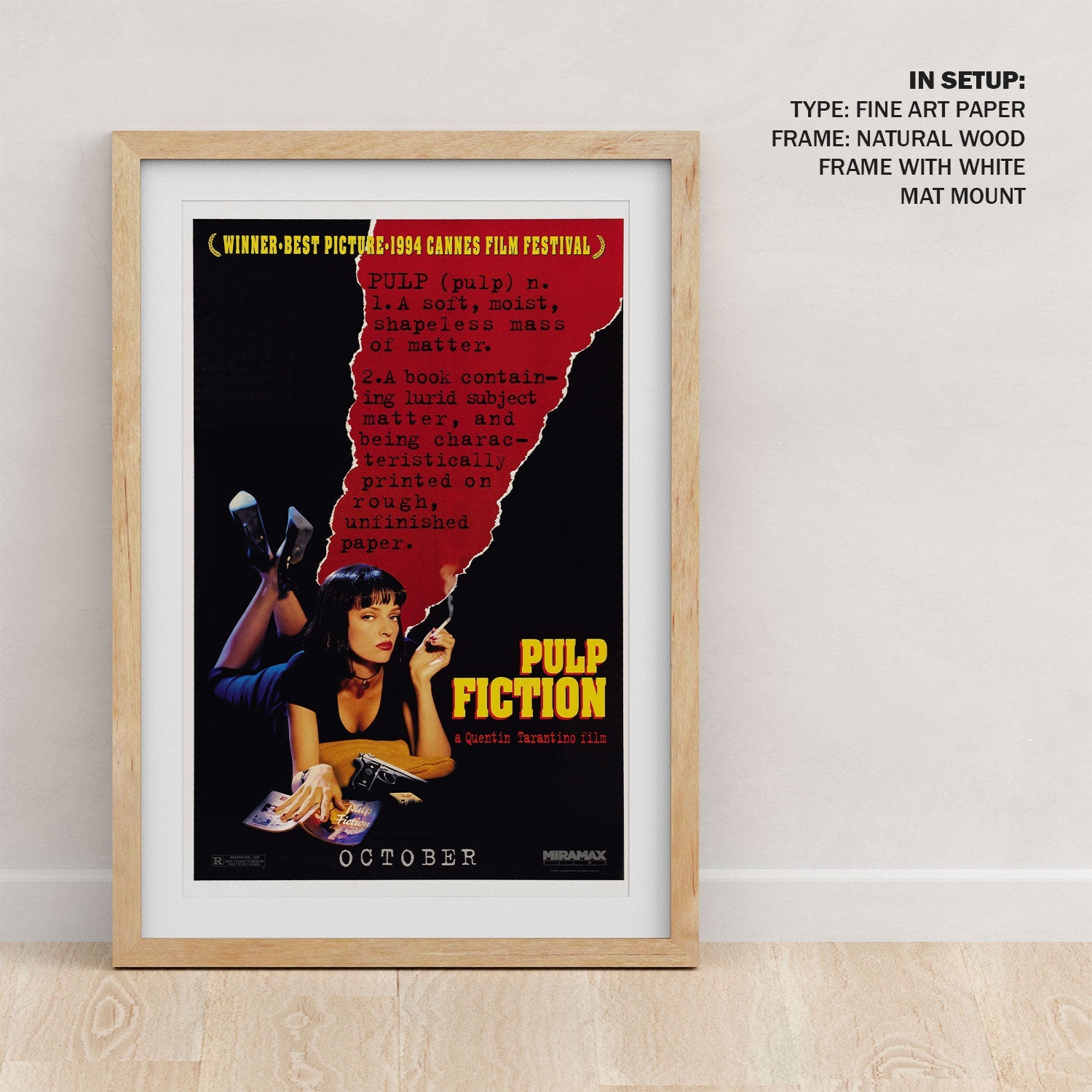
- Use acid-free sleeves or frames: This prevents yellowing and protects from dust.
- Handle with clean hands or gloves: Oils from your skin can damage the finish, especially on glossy paper.
When To Use Specialty Papers
Some posters use specialty papers for unique effects:
- Metallic papers: Add a shiny, silver or gold look, great for sci-fi or action movies.
- Textured papers: Mimic canvas or linen for a fine art feel.
- Recycled papers: Eco-friendly, but may be less bright or smooth.
These are mostly for limited runs or artistic projects.
Professional Vs. Home Printing
Professional printing services use high-quality presses, giving better color and finish control. If you print at home, buy the best paper your printer can handle. Many printers have recommended paper settings—choose the “best photo” or “high quality” setting for movie posters.
Industry Standards And Sizing
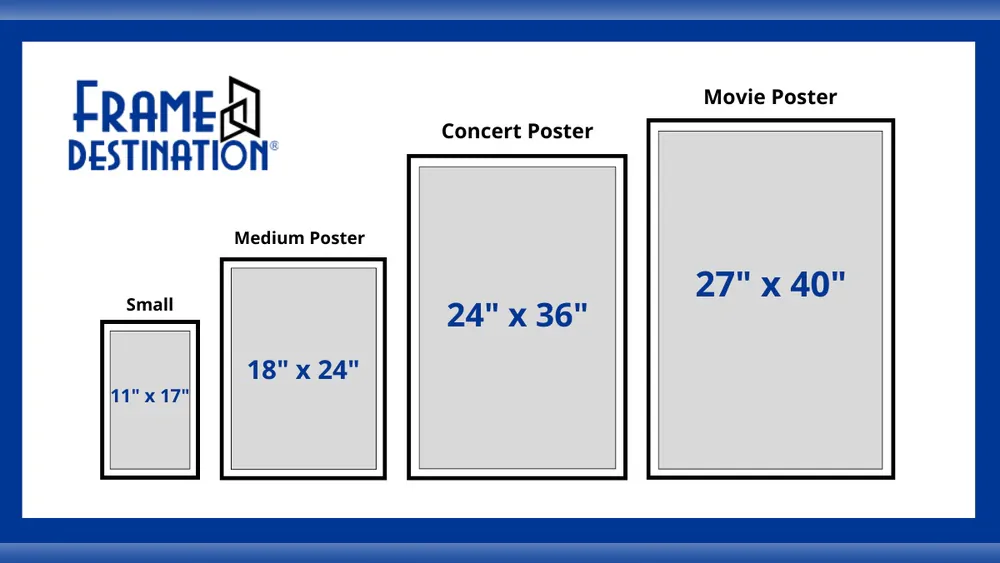
The classic movie poster size in the US is 27 x 40 inches. In Europe, it’s often 24 x 36 inches. Make sure your paper matches the size you want to print. Standard poster paper is usually available in these sizes, but custom sizes may need special orders.
If you want to read more about the history and standards of movie posters, Wikipedia has a helpful overview.
Frequently Asked Questions
What Paper Do Cinemas Use For Movie Posters?
Cinemas typically use glossy or semi-gloss coated paper in the 150-200 gsm range. This paper is durable enough for frequent handling and looks bright under theater lighting.
Is Photo Paper Good For Printing Movie Posters?
Photo paper gives excellent color and sharpness, especially for small or limited edition posters. For large posters, it can be expensive and sometimes hard to frame due to its thickness.
How Can I Tell If A Poster Is Printed On Archival Paper?
Look for posters labeled as acid-free or archival. These papers resist yellowing and breakdown. Some posters may come with a certificate or mention the paper type in the print details.
What’s The Best Paper For Framing A Movie Poster?
For framing, use coated paper between 170-250 gsm. It’s strong enough to stay flat and won’t warp easily. Acid-free paper is best for long-term display.
Does Paper Type Affect Poster Value For Collectors?
Yes. Collectors often pay more for posters on high-quality, archival paper. Cheap, thin paper can lower a poster’s value and life span. For investment, always choose the best paper you can afford.
Choosing the right paper for movie posters is more than a technical detail—it’s what separates a memorable, lasting piece from something forgettable. Take time to match your paper to your purpose, whether you’re making a statement on your wall or building a collection.
With the right choice, your movie poster will stand out and stand the test of time.