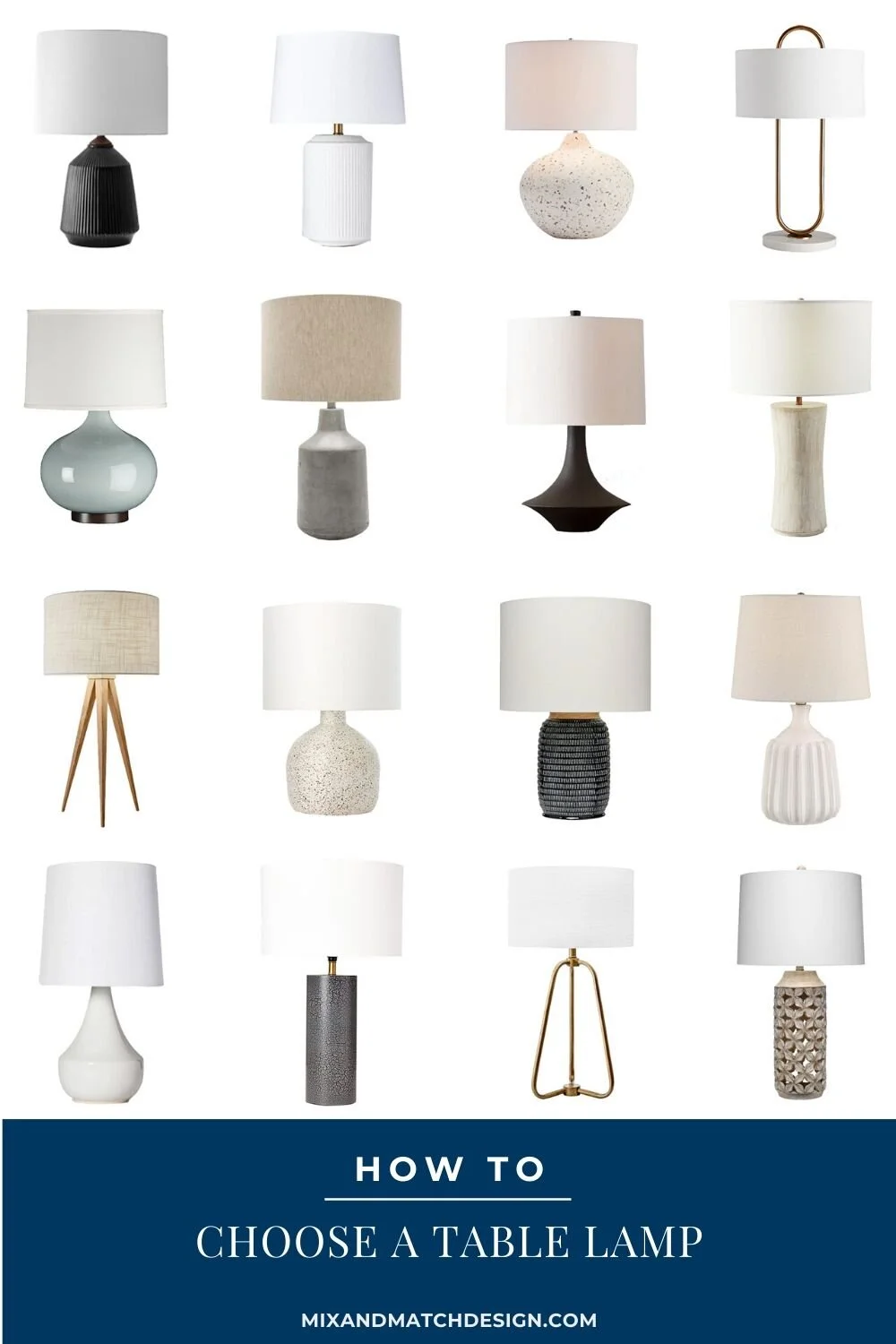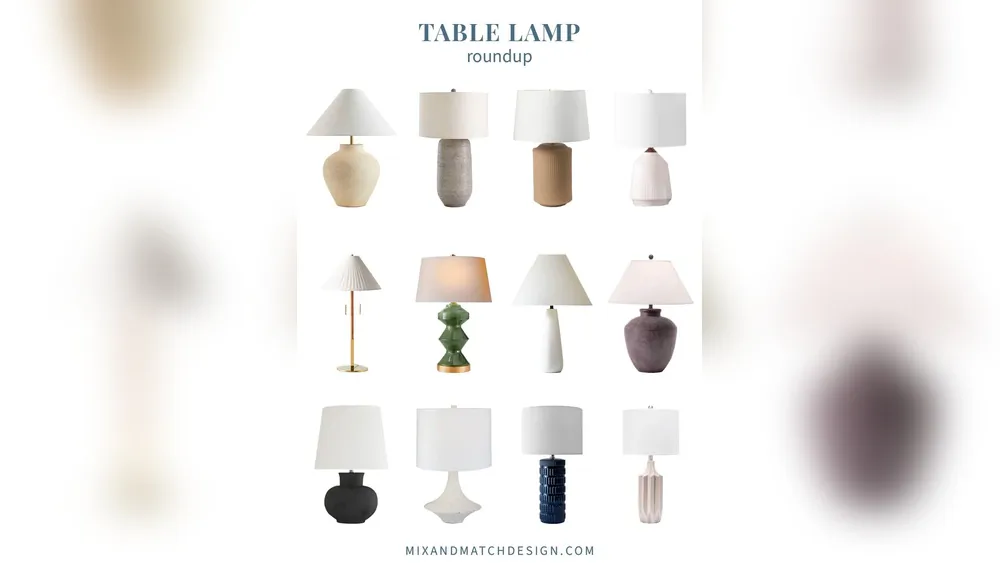
How to Choose a Table Lamp can transform a room, improve your comfort, and even help you work or relax better. But with so many styles, features, and prices available, it’s easy to feel confused. Whether you’re updating your bedroom, creating a cozy reading nook, or picking a lamp for your office desk, this guide will help you make a smart choice. You’ll learn what truly matters, discover some surprising tips, and avoid common mistakes that waste money or leave you unsatisfied. Let’s dive in and find your perfect table lamp.
Understand Your Lighting Needs
Before buying, think about why you need a table lamp. The right lamp depends on its purpose:
- Reading or Task Lighting: You need bright, focused light. Look for lamps with adjustable arms or shades.
- Ambient Lighting: If you want a soft glow to create mood, choose lamps with diffused shades.
- Decorative Accent: For style, focus on the lamp’s design and how it fits your room’s look.
For example, a lamp for your desk needs to help you see clearly, while a bedside lamp should feel cozy and not too bright. If you buy a lamp without thinking about its main job, you might end up with light that’s too harsh or too dim.
Consider Lamp Size And Placement
The size of your lamp matters more than most people realize. A lamp that’s too tall or wide can look awkward and even cause glare.
Height And Proportion
A quick tip: The ideal lamp height for a bedside table is usually 24–27 inches. For desks, go for 20–24 inches. For living rooms, a lamp should be tall enough to cast light over your shoulder but not so high it blinds you.
Surface Space
Measure your table. You want the lamp base to fit comfortably, leaving space for other items. If your table is narrow, choose a slimmer lamp.
| Table Type | Ideal Lamp Height | Base Diameter |
|---|---|---|
| Bedside | 24–27 in | 5–8 in |
| Desk | 20–24 in | 5–7 in |
| Accent | 16–22 in | 4–6 in |
If the lamp is too big, you might knock it over. If it’s too small, it can look lost on a large table.
Choose The Right Style
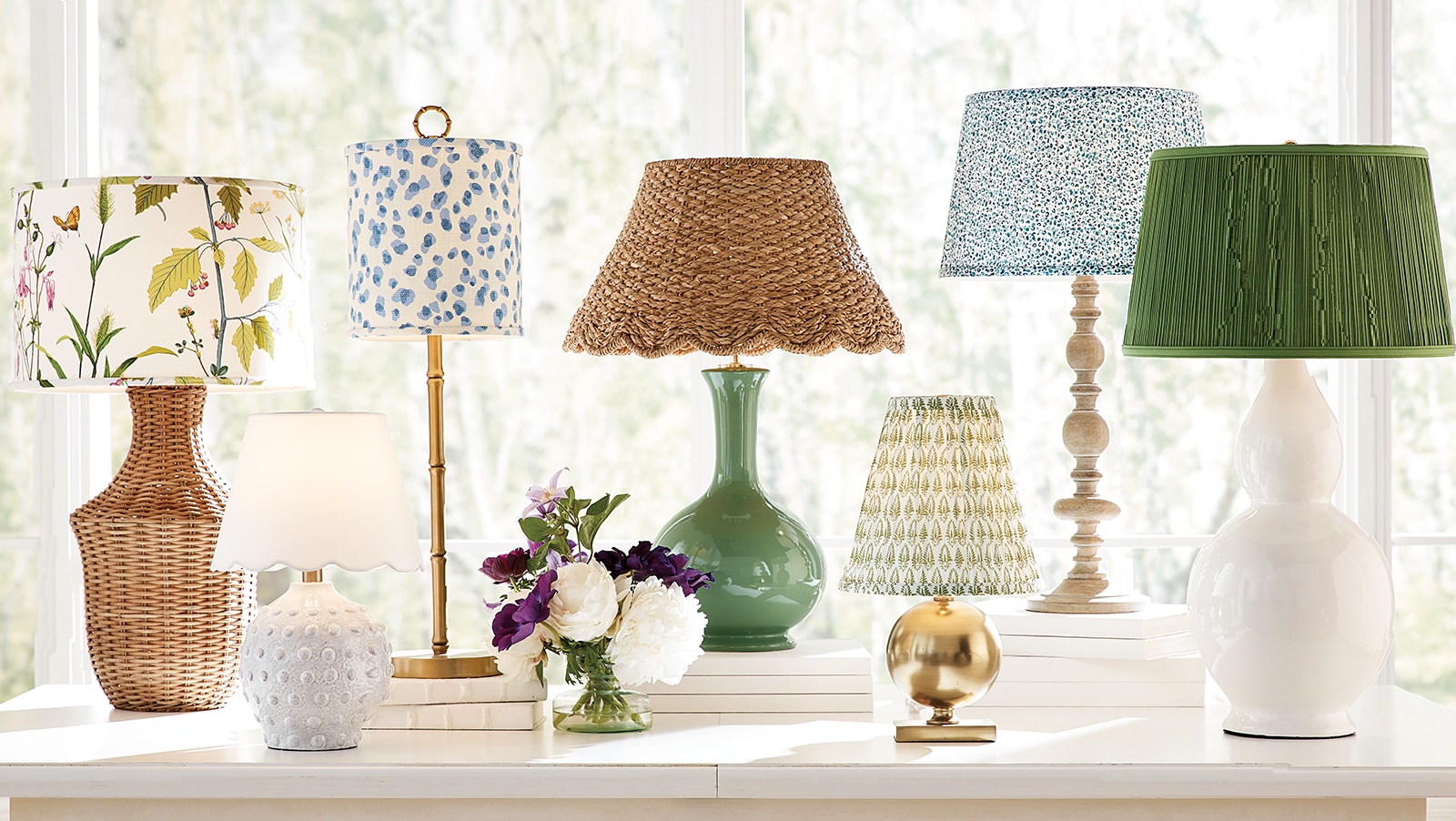
A table lamp should match your room’s style, but it’s also a chance to show your personality. There are many options:
- Modern: Clean lines, simple shapes, metal or glass.
- Traditional: Curved bases, classic shades, warm colors.
- Rustic: Wood or stone, natural textures.
- Industrial: Exposed bulbs, metal finishes.
Look at your room’s colors and materials. Try to match or complement them. For example, a modern lamp can look strange in a room with vintage furniture. If you mix styles, do it with intention.
Lamp Shades: Shape, Material, And Color
The lamp shade affects both the look and the lighting. Here’s what matters:
Shape
- Drum shades: Good for wide tables and modern rooms.
- Empire shades: Classic and work well in traditional spaces.
- Rectangular shades: Perfect for narrow tables or shelves.
Material
- Fabric: Softens light, ideal for bedrooms.
- Paper: Cheap but can tear easily.
- Glass or metal: Directs light, better for task lighting.
Color
Dark shades give soft, warm light, while white or cream shades allow more brightness. If you need strong light, avoid dark colors.
| Shade Material | Light Quality | Best Location |
|---|---|---|
| Fabric | Soft, diffused | Bedroom, living room |
| Glass | Bright, direct | Office, desk |
| Paper | Warm, gentle | Accent tables |

Bulb Types And Brightness
Don’t ignore the bulb. It affects both your lamp’s performance and your energy bill.
- LED bulbs: Last longer, save energy, and stay cool. Choose if possible.
- Incandescent bulbs: Warm light, but use more electricity.
- Compact fluorescent (CFL): Save energy, but some people dislike the light color.
Look for bulbs with lumens (brightness) between 450–800 for reading or desk work. For ambient lighting, 250–450 lumens is enough.
Color Temperature
Bulbs have color temperature measured in Kelvin (K):
- Warm white (2700–3000K): Cozy, best for bedrooms.
- Cool white (3500–4100K): Bright, good for offices.
- Daylight (5000K+): Very bright, good for detailed tasks.
If you want a lamp for different moods, choose one with a dimmer or smart bulbs.
Practical Features To Consider
Some lamps have extra features that can make life easier.
- USB ports: Charge your phone or tablet.
- Touch controls: Tap to turn on or adjust brightness.
- Adjustable arms: Move the light where you need.
- Smart compatibility: Control with your phone or voice.
These features are not must-haves, but they can add convenience. For example, a USB port is very helpful on a bedside lamp.
Comparing Materials And Build Quality
The material of your lamp affects both style and durability.
| Material | Durability | Maintenance |
|---|---|---|
| Metal | High | Easy to clean |
| Ceramic | Medium | Fragile, needs care |
| Wood | Medium | Requires dusting |
| Glass | Low | Clean regularly |
If you have kids or pets, avoid glass or fragile materials. Metal and wood last longer and need less maintenance.
Budget And Price Range
Table lamps come in many price ranges. You can find basic options for $20–$40, mid-range for $40–$100, and designer lamps for $100+. Don’t assume higher price means better quality. Focus on materials, build, and features.
A quick tip: If you need more than one lamp, buy in sets. This often saves money.
Common Mistakes To Avoid
- Ignoring bulb type: Some lamps only fit certain bulbs. Check before buying.
- Choosing style over function: A beautiful lamp that doesn’t give the right light is a waste.
- Forgetting about the cord: Long cords can look messy. Make sure the cord reaches your outlet.
- Not checking shade size: A shade that’s too big or small can look odd and affect light.
- Overlooking switch placement: Some lamps have hard-to-reach switches. Check before buying.
Two Insights Most People Miss
- Many people forget that lamp placement changes how light spreads. If you put a lamp near a wall, it can create shadows or highlight artwork.
- A lamp’s base weight is important. Lightweight lamps tip over easily. Choose heavier bases for high-traffic areas.
How To Match Lamps With Room Decor
If you want your lamp to look good in your room, notice the small details:
- Match the lamp’s metal finish to other hardware (door handles, frames).
- Choose a shade color that fits your curtains or sofa.
- For a balanced look, pair tall lamps with low furniture and vice versa.
If you’re unsure, neutral colors and simple shapes work almost everywhere.
Safety And Maintenance
Safety matters, especially with electrical items.
- Check for UL certification or similar safety marks.
- Avoid lamps with loose parts or damaged cords.
- Clean shades and bases regularly. Dust can block light and make the lamp look old.
- If using LED bulbs, don’t touch them with wet hands.
Environmental Considerations
LED lamps are the most energy efficient. They use up to 80% less energy than incandescent bulbs and last up to 25,000 hours. If you care about the environment, look for lamps made from recycled materials or sustainable wood. Many brands now offer eco-friendly options.
For more information on energy-saving lighting, visit Energy Saver.
Comparing Popular Brands
Some brands are known for quality and innovation. Here’s a quick comparison of three popular options.
| Brand | Strengths | Typical Price |
|---|---|---|
| IKEA | Affordable, simple designs | $20–$70 |
| Philips Hue | Smart features, LED bulbs | $60–$200 |
| Pottery Barn | Stylish, durable, premium | $100–$300 |
Choose a brand that fits your budget and style. Read reviews to check reliability and customer satisfaction.
Final Steps Before Buying
- Measure your table and lamp space.
- Decide on the main purpose for the lamp.
- Choose a style and material that suits your room.
- Check bulb compatibility and brightness.
- Look for practical features.
- Set your budget and compare options.
Take your time. It’s better to spend a few extra minutes checking details than regret your purchase later.
Frequently Asked Questions
What Is The Best Bulb For A Table Lamp?
The best bulb is usually LED. It saves energy, lasts longer, and stays cool. For reading, pick a bulb with 450–800 lumens and warm white color.
How Do I Know If A Lamp Is Too Big For My Table?
Measure your table’s width. The lamp’s base should take up less than half the table. For height, bedside lamps should be 24–27 inches, desk lamps 20–24 inches.
Can I Use Smart Bulbs In Any Table Lamp?
Most table lamps can use smart bulbs, but check the socket type (E26, E27, etc.). Make sure the lamp shade allows enough space for the bulb.
Are Touch Lamps Reliable?
Touch lamps are reliable, but can be sensitive to humidity or dust. Clean the base regularly for best performance.
How Do I Clean My Lamp Shade?
Remove the shade, use a dry cloth or gentle vacuum. For fabric, use mild soap and water. Avoid getting metal parts wet.
Choosing a table lamp is more than picking something pretty. It’s about creating the right light, matching your style, and finding features that make your life easier. With these tips, you can confidently select a lamp that truly fits your needs and makes your room shine.