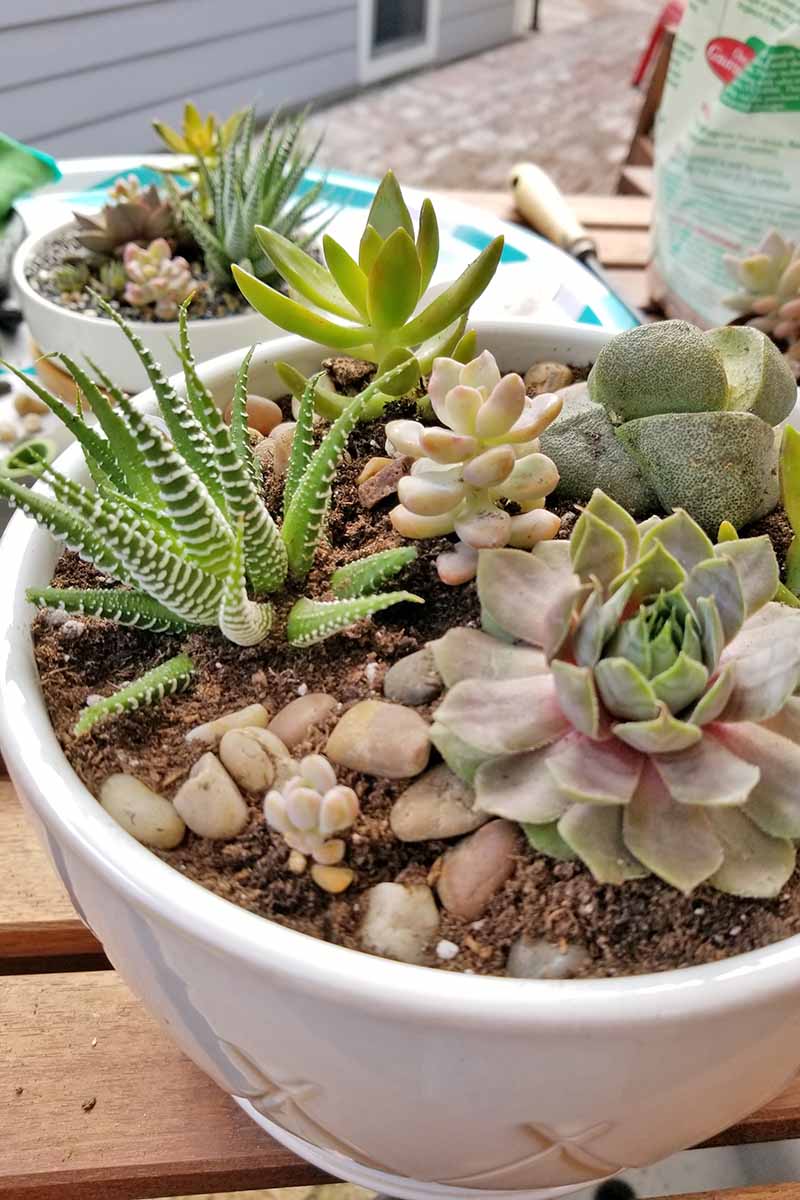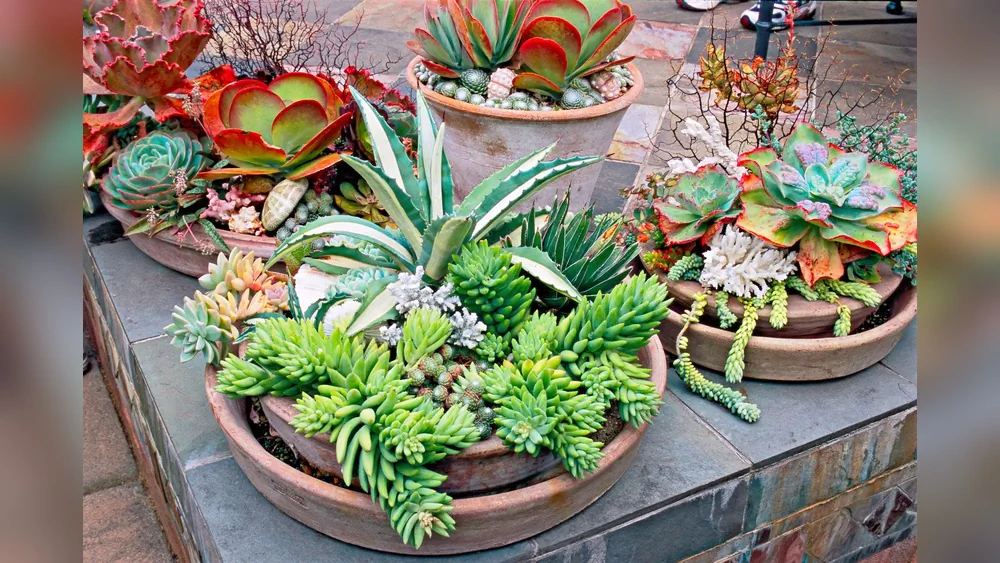
What are the Best Planters for Succulent—it’s a way to bring color and life into your space with minimal effort. These plants are famous for their low water needs and beautiful shapes, making them ideal for busy people or beginners. But the secret to thriving succulents isn’t just sunlight or watering; it’s choosing the right planter. The best planters for succulents help prevent overwatering, support healthy roots, and add style to your home. If you want your succulents to grow strong and stay vibrant, picking the right pot is just as important as picking the right plant.
Choosing a planter isn’t simple. There are many materials, shapes, and sizes. Some pots look great but can hurt your plants. Others are perfect for succulent health but may not fit your decor. This article will guide you through the top choices, explain the science behind them, and give practical tips for picking the best planter for your succulents.
By the end, you’ll know exactly what to look for and what to avoid.
What Makes A Planter Good For Succulents?
Succulents are different from most houseplants. They store water in their leaves and stems, making them sensitive to too much moisture. The best planter for succulents must help water drain quickly, keep roots healthy, and support the plant’s growth.
Here are the main features to consider:
- Drainage holes: Essential for removing excess water. Without them, roots can rot.
- Material: Some materials breathe better, helping soil dry faster.
- Size and depth: Shallow pots are usually better, as succulents have shallow roots.
- Shape: Wide pots allow space for spreading roots and easier arrangements.
- Aesthetics: The pot should match your space and style.
Many beginners miss the importance of drainage holes. Even if a pot looks beautiful, without drainage, you risk killing your plant. Also, the material affects how fast the soil dries. For example, terracotta dries much quicker than plastic.
Popular Planter Materials For Succulents
Not all planters are made equal. Each material has benefits and drawbacks. Understanding these helps you choose wisely.
| Material | Drainage | Breathability | Durability | Cost |
|---|---|---|---|---|
| Terracotta | Excellent | High | Medium | Low |
| Ceramic | Good | Medium | Medium | Medium |
| Plastic | Depends | Low | High | Low |
| Metal | Poor | Low | High | Medium |
| Glass | Poor | Low | Low | Medium |
Terracotta
Terracotta pots are classic and popular. They are made from baked clay and have high breathability. Water evaporates quickly, keeping soil dry and healthy. These pots almost always have drainage holes, making them perfect for succulents. Terracotta also ages nicely, developing a natural look over time.
Ceramic
Ceramic pots are heavier and come in many colors and designs. They are glazed or unglazed. Unglazed ceramic breathes well, like terracotta. Glazed ceramic is less breathable but still suitable if it has drainage holes. Ceramic pots add style and are durable, but they can break if dropped.
Plastic
Plastic planters are lightweight, cheap, and easy to find. They come in many shapes and colors. However, plastic does not allow air through, so soil stays wet longer. Always choose plastic pots with drainage holes. Plastic is a good choice for beginners but pay attention to watering.
Metal
Metal pots look modern and sleek. They are strong and durable but can heat up quickly in the sun. Metal does not breathe, and most metal pots lack drainage. If you use a metal pot, make sure it has holes or use it as a decorative cover for another pot.
Glass
Glass planters, like terrariums, are stylish but risky for succulents. Glass does not breathe and almost never has drainage holes. Moisture stays trapped, which can harm your plants. If you love the look, use glass only for arrangements where you can control watering very carefully.
Best Planter Shapes And Sizes For Succulents
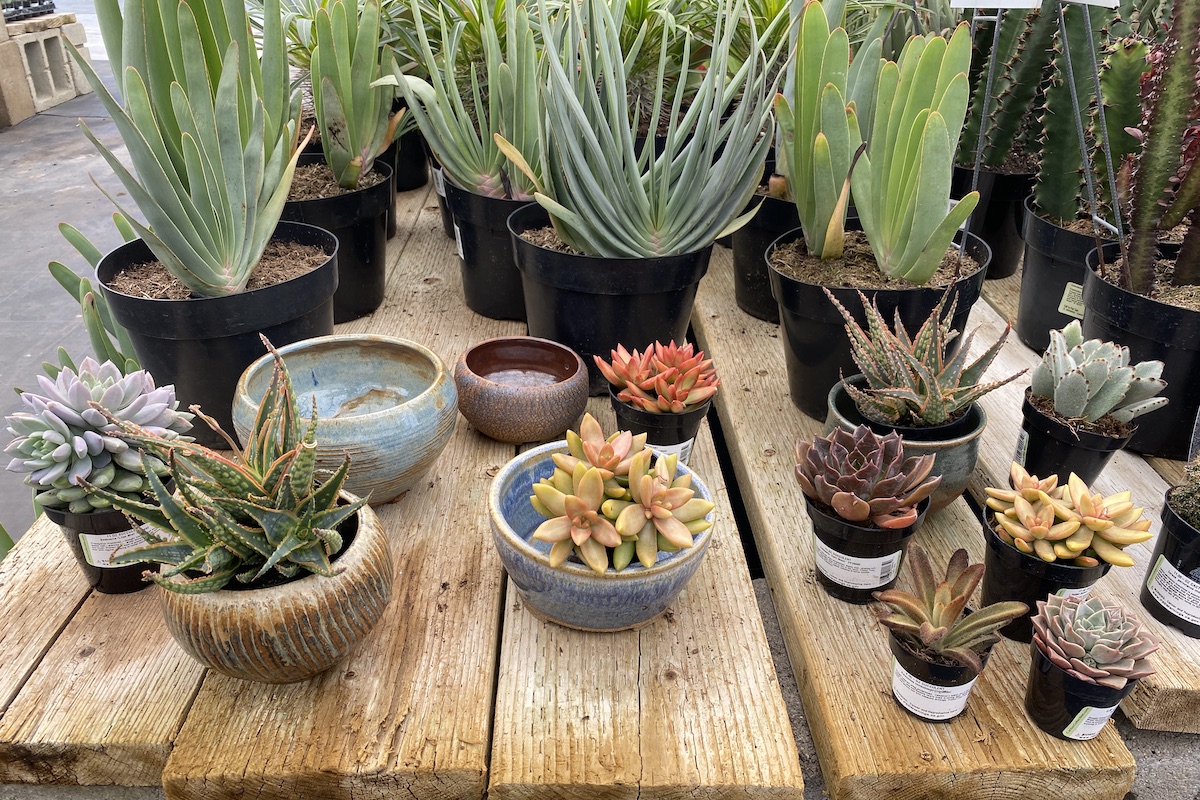
The shape and size of a planter affect root health and plant growth. Succulents have shallow roots, so deep pots are often unnecessary.
| Shape | Benefits | Drawbacks |
|---|---|---|
| Shallow and wide | Good for root spread, easy arrangements | Limits tall plants |
| Deep and narrow | Supports tall succulents | Risk of overwatering, less root spread |
| Round | Classic look, fits most plants | Less space for creative displays |
| Rectangular | Great for groupings, fits windowsills | May dry unevenly |
| Novelty shapes | Fun decor, unique styles | Often lack drainage, not always practical |
Shallow And Wide Pots
Shallow, wide planters are ideal for most succulents. They allow roots to spread out and make it easy to create group arrangements. These pots dry quickly, lowering the risk of rot.
Deep And Narrow Pots
Deep pots work for taller succulents, like Aloe Vera or Snake Plant. However, deep pots keep water longer. If you use a deep pot, be careful with watering.
Rectangular And Group Planters
Rectangular planters fit well on windowsills or shelves. They are perfect for growing multiple succulents together. If the planter is long, check that water dries evenly across the soil.
Novelty And Decorative Pots
Novelty pots, such as animal shapes or creative designs, add fun to your space. However, many lack proper drainage. If you use these, consider drilling holes or using them as a cover for a functional pot.
Top Planter Options For Succulents
Let’s look at the best planter types in detail, along with examples and practical advice.
1. Classic Terracotta Pots
Terracotta is the gold standard. It’s affordable, widely available, and supports healthy succulents. The clay breathes, reducing risk of rot. Terracotta pots come in many sizes and are easy to decorate.
Tip: If you want a classic look and healthy plants, terracotta is your safest choice.
2. Unglazed Ceramic Pots
Unglazed ceramic pots breathe well and often come in more stylish shapes than terracotta. They are heavier and less likely to tip over. If you want a mix of style and performance, these pots are excellent.
3. Glazed Ceramic Planters
Glazed ceramic is more colorful and decorative. It doesn’t breathe as well, but with drainage holes, it works for succulents. These pots are good for adding personality to your space.
Tip: Use glazed ceramic pots indoors, as they resist stains and are easy to clean.
4. Plastic Pots With Drainage
Plastic is cheap and light. For beginners, it’s a good way to experiment. Always pick plastic pots with drainage holes. If you notice plants staying wet too long, repot or reduce watering.
Tip: Plastic pots are perfect for kids or places where you need lightweight options.
5. Decorative Outer Pots
Some people use a plain plastic or terracotta pot for the plant, then place it inside a decorative outer pot with no drainage. This is a smart way to enjoy beautiful pots without risking root rot.
Tip: Remove the inner pot when watering, let it drain, then return it to the decorative shell.
6. Hanging Planters
Hanging pots save space and add visual interest. Choose hanging planters with drainage and shallow depth. These are great for trailing succulents like String of Pearls.
7. Wall Planters
Wall-mounted planters help create living art. Most wall planters are shallow and wide, perfect for succulents. Make sure they have drainage or are easy to remove for watering.
8. Group Planters And Bowls
Large bowls or grouped planters let you grow several succulents together. This creates a mini garden and helps with drought-resistant arrangements. Group pots should be shallow with drainage.
9. Unique And Handmade Pots
Handmade pots add personality and often come in unusual shapes. Always check for drainage. If you buy from local artists, ask about materials and drainage holes.

How To Choose The Right Planter For Your Succulents
When picking a planter, ask yourself:
- Where will the succulent live? (Sun, shade, indoors, outdoors)
- How often do you water?
- Do you prefer single plants or group arrangements?
- Is style or plant health more important?
A good rule is to pick function over form. If the pot doesn’t support healthy roots, your succulents will suffer. For beginners, start with terracotta or unglazed ceramic, then experiment as you gain confidence.
Common Mistakes Beginners Make
- Using pots without drainage holes. This leads to root rot.
- Choosing deep pots for small succulents. Deep pots hold too much water.
- Overwatering in plastic or glass pots. These materials trap moisture.
- Ignoring pot size. Too big a pot makes soil stay wet; too small limits root growth.
Real Data: Succulent Survival Rates By Planter Type
Studies show planter material and drainage affect plant survival. A survey by the University of California found:
| Planter Type | Succulent Survival Rate (%) |
|---|---|
| Terracotta with drainage | 93 |
| Unglazed ceramic with drainage | 90 |
| Plastic with drainage | 78 |
| Glass without drainage | 52 |
| Metal without drainage | 46 |
This data highlights the importance of both material and drainage. Terracotta and unglazed ceramic perform best, while glass and metal with no drainage have much lower survival rates.
Extra Tips For Succulent Planters
- Always check for drainage holes before buying.
- If your favorite pot lacks holes, use it as a cover or drill holes yourself.
- Place a layer of gravel at the bottom for extra drainage, but do not rely on gravel alone.
- Use soil designed for succulents—regular potting soil holds too much moisture.
- Match pot color and style to your decor, but never sacrifice plant health for looks.
Non-obvious insight: Even small changes, like switching from plastic to terracotta, can double your plant’s survival rate. Another tip: Grouping succulents in one shallow pot helps maintain even moisture and reduces watering mistakes.
Frequently Asked Questions
What are the Best Planters for Succulent?
Most succulents thrive in shallow, wide pots. The pot should be just a little bigger than the plant’s root system. Too large a pot leads to wet soil and root rot.
Can I Use Pots Without Drainage Holes?
It’s risky. Succulents need fast drainage. If you use a pot without holes, water very sparingly and monitor soil moisture closely. It’s better to use pots with drainage or place a functional pot inside a decorative one.
How Often Should I Water Succulents In Different Planters?
Watering depends on the material. Terracotta dries fast—water every 7-10 days. Plastic or glass stays wet longer—water every 2-3 weeks. Always check soil dryness before watering.
Are Glass Planters Good For Succulents?
Glass planters can be used for decorative arrangements, but they are not ideal for long-term growth. They trap moisture and rarely have drainage. Use them for special displays and control watering carefully.
Where Can I Learn More About Succulent Care And Planters?
For more detailed science and care tips, visit the Succulent Plant Wikipedia page. It offers reliable information on succulent biology and care.
Choosing the best planter for succulents isn’t just about looks—it’s about creating the right environment for your plants to thrive. The right pot will keep your plants healthy, your space beautiful, and your gardening experience rewarding. Remember, successful succulent care starts with smart planter choices.
If you follow the advice in this article, your succulents will thank you with strong growth and vibrant colors.