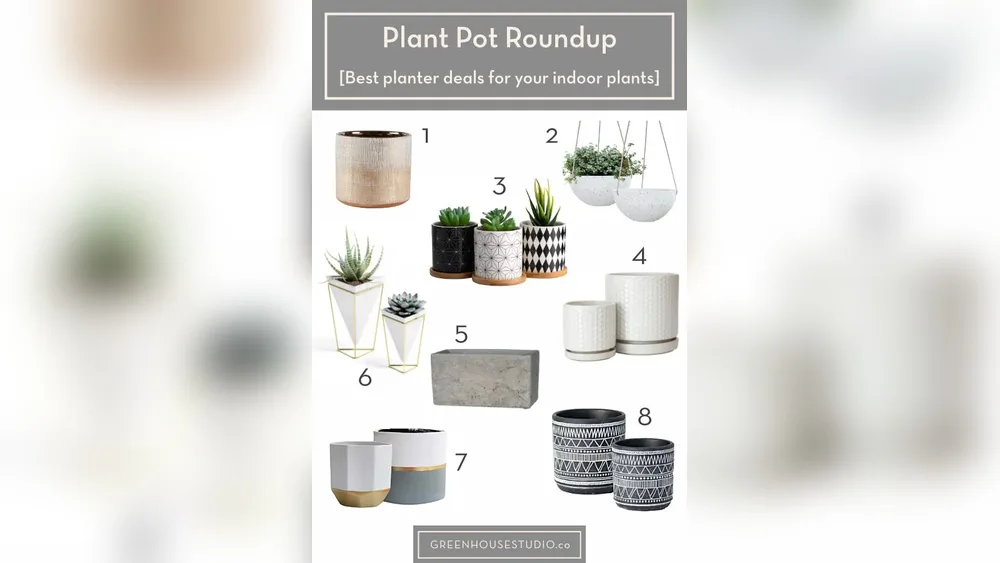
What are the Best Planters for Indoor Plant—they improve air quality, boost mood, and bring nature into your home. But to keep them healthy, you need the right planters. Choosing the best planters for indoor plants is not as simple as picking a pretty pot.
It involves understanding materials, drainage, size, style, and practical needs. Whether you’re a beginner or an experienced plant lover, this guide will help you select planters that make your plants thrive and fit beautifully in your space.
Why Planter Choice Matters For Indoor Plants
The planter you choose affects how your plant grows. Poor drainage or the wrong material can lead to root rot, pests, or slow growth. A good planter supports healthy roots, keeps moisture levels balanced, and matches your style. Many beginners focus only on looks, but ignoring function leads to problems later. For example, ceramic pots can be beautiful but may lack drainage unless you choose carefully.
Here’s what makes a planter “good” for indoor plants:
- Drainage holes to prevent over-watering
- Right size for the plant’s roots
- Material that suits the plant’s water needs
- Safe, non-toxic finishes
- Style that matches your home
Let’s look at the best types of planters for indoor use, what materials are most popular, and how to avoid common mistakes.
Popular Planter Materials: Pros And Cons
The material affects weight, moisture, insulation, and appearance. Here’s a comparison of the most common planter materials:
| Material | Pros | Cons |
|---|---|---|
| Ceramic | Stylish, many designs, keeps soil moist | Heavy, may lack drainage, breakable |
| Plastic | Lightweight, affordable, easy to move | Can look cheap, heats up quickly |
| Terracotta | Classic look, breathable, prevents over watering | Dries out fast, fragile |
| Metal | Modern, durable, cool designs | Can rust, heats up, may need lining |
| Glass | Great for terrariums, shows roots | No drainage, fragile |
| Wood | Natural look, good insulation | Can rot, needs sealant |
| Fabric | Breathable, good for root health | Needs tray, sometimes hard to clean |
Many people don’t realize that plastic pots work well for beginners—they are cheap, light, and easy to clean. But terracotta offers better breathability, helping prevent over watering, which is a common beginner mistake.
Drainage: The Most Important Feature
Drainage is often ignored, but it’s the key to healthy indoor plants. Water that sits at the bottom of the planter can cause roots to rot. Choose planters with drainage holes. If you love a pot without holes, use it as a decorative cover and keep your plant in a plastic nursery pot inside.
Some planters come with built-in trays to catch excess water. This is perfect for indoor use, keeping surfaces dry and clean.
Common Drainage Mistakes
- Using planters without holes for all plants
- Not checking how much water is left in the tray
- Forgetting to empty trays, causing soggy soil
For most indoor plants, drainage holes are a must. Exceptions are terrarium setups, which use closed containers for humidity-loving plants.
The Best Planter Shapes And Sizes
Plants need space for their roots, but too much space can hurt them. A planter that’s too big keeps the soil wet for too long, leading to root problems. A pot that’s too small can stunt growth.
Here’s a quick guide to choosing the right size:
| Plant Type | Recommended Planter Size | Reason |
|---|---|---|
| Succulents | 4–6 inches diameter | Small roots, dry soil needed |
| Herbs | 6–8 inches diameter | Room for roots, moisture balance |
| Ficus/large houseplants | 12+ inches diameter | Deep roots, stability |
| Orchids | Special orchid pots (clear, slotted) | Airflow, visibility for roots |
| Snake plant | 8–10 inches diameter | Slow growth, needs stability |
Most beginners don’t realize that you should upgrade your planter size as your plant grows. Repotting every 1–2 years helps plants stay healthy.
Planter Styles That Work Indoors
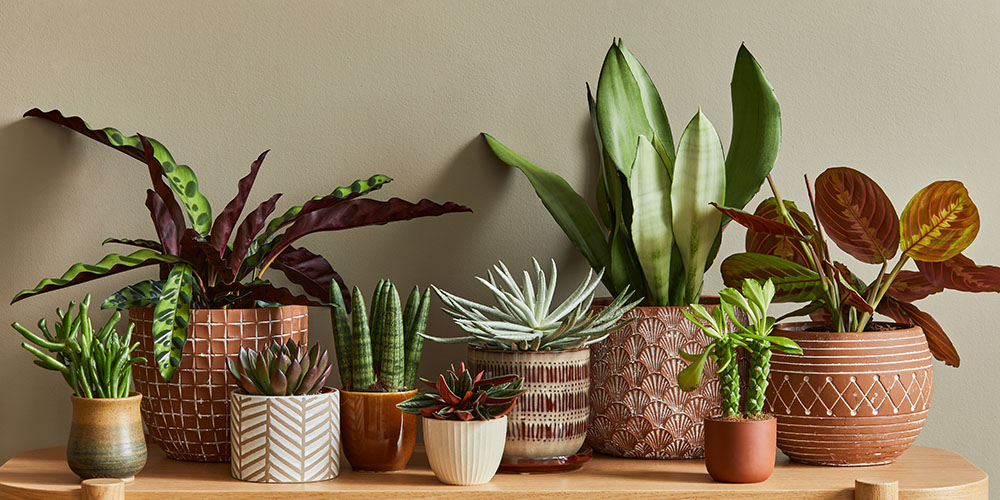
Indoor planters come in many styles, from modern to rustic. But style is not just about looks—it can affect plant health. Here are some popular styles and their practical benefits:
1. Self-watering Planters
These pots have a water reservoir at the bottom, making watering easier and less frequent. Good for busy people or those who travel often.
2. Hanging Planters
Save space and create visual interest. Perfect for trailing plants like pothos or spider plants.
3. Window Boxes
Great for herbs or small flowers. Fits on windowsills for maximum light.
4. Decorative Cachepots
These are pretty outer pots used to hide a basic nursery pot. Useful for plants that need special watering or drainage.
5. Terrariums
Glass containers for humidity-loving plants like ferns or moss. Not suitable for most houseplants but perfect for small setups.
Many people choose style first and ignore function. It’s smarter to select a style that fits your plant’s needs and your space.
Comparing Top Planter Brands And Products
Some brands are known for quality indoor planters. Here’s a comparison of three popular brands:
| Brand | Material | Features | Price Range |
|---|---|---|---|
| Lechuza | Plastic | Self-watering, modern design | $30–$120 |
| Bloem | Plastic | Lightweight, many colors | $8–$40 |
| Riviera | Ceramic | Hand-glazed, stylish | $20–$80 |
Lechuza is ideal for people who want less watering and a clean look. Bloem is affordable and good for beginners. Riviera offers beautiful ceramics for those who want style and substance.
What are the Best Planters for Indoor Plant
Choosing the right planter is about matching your plant’s needs and your home’s look. Here’s how to make the best choice:
1. Check Drainage
Always look for planters with holes. If your favorite pot doesn’t have them, use it as a cover.
2. Pick The Right Material
If you tend to overwater, pick terracotta or fabric. For low-maintenance, plastic or self-watering is better.
3. Choose The Right Size
Don’t go too big. A planter 1–2 inches larger than your plant’s root ball is usually best.
4. Match Style To Space
Modern pots work in sleek spaces. Rustic or wood planters suit cozy rooms.
5. Think About Weight
Ceramic and terracotta are heavy—good for tall plants, but hard to move. Plastic is light but less stable.
6. Look For Quality
Cheap pots can crack or discolor. Invest in a planter that lasts.
7. Consider Repotting
Buy planters that are easy to clean and reuse when you repot your plant.
A common mistake is buying large, deep pots for small plants—this keeps soil wet and can kill the plant. Always buy for the current size and repot as the plant grows.
Best Planters For Specific Indoor Plants
Some indoor plants have unique needs. Here are recommendations for popular houseplants:
Succulents
Best in shallow terracotta pots with drainage. Terracotta dries quickly, preventing rot.
Herbs
Use plastic or ceramic pots with trays. Herbs need steady moisture but hate soggy roots.
Orchids
Choose clear, slotted orchid pots. These let you see the roots and provide airflow.
Snake Plant
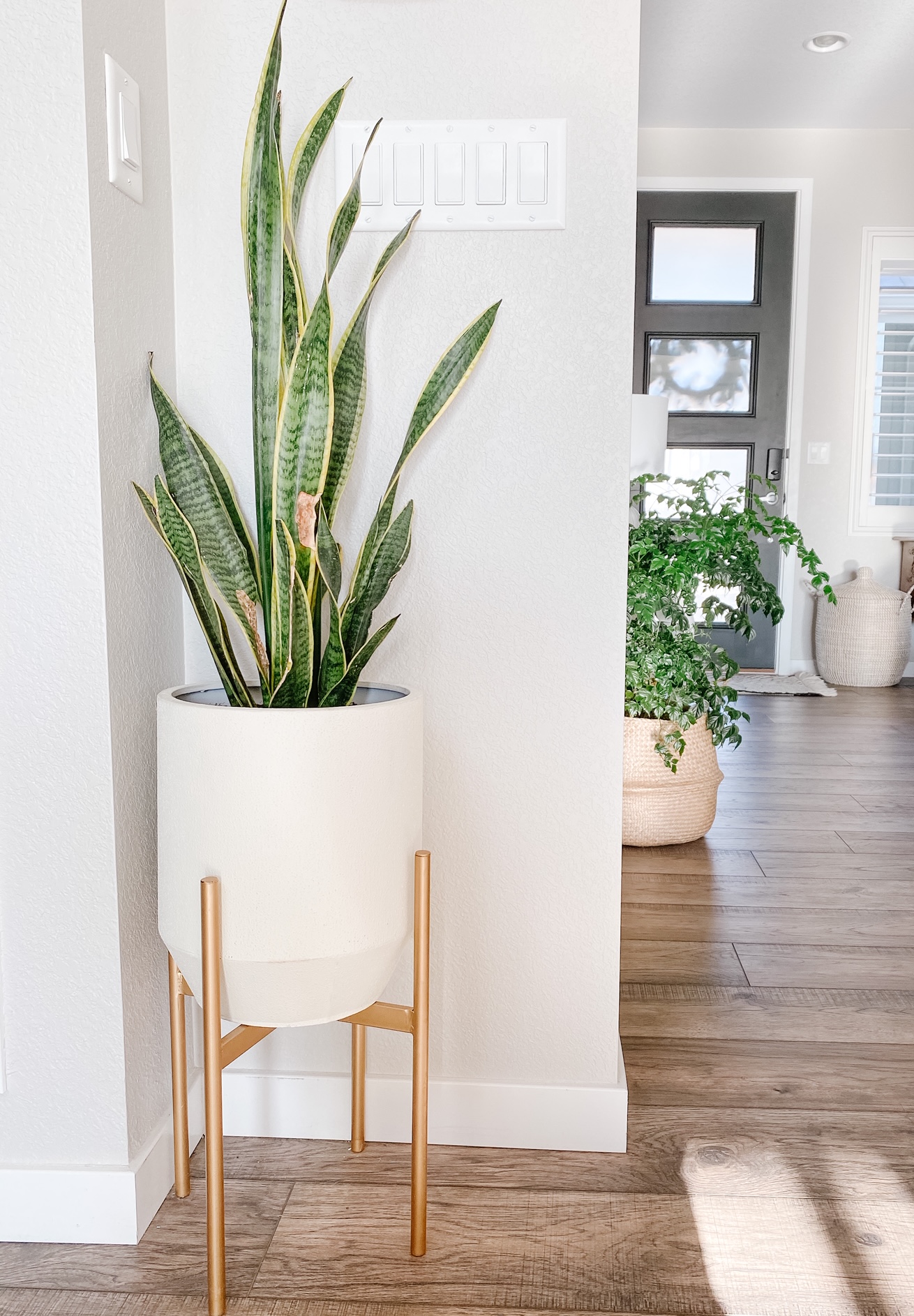
Works well in ceramic pots with holes. These are heavy, keeping the plant stable.
Pothos And Spider Plant
Great in hanging plastic pots. Lightweight and easy to water.
Fiddle Leaf Fig
Needs a large ceramic or fiberglass pot with good drainage. Heavy pots prevent tipping.
Peace Lily
Prefers self-watering planters or ceramic with a tray. Peace lilies like moist soil but not too wet.
If you’re unsure, plastic pots are safe for most plants. Upgrade as you learn about your plant’s needs.
How To Care For Plants In Different Planters
Each material requires different care:
- Terracotta: Water more often, as soil dries fast. Clean pots to prevent salt buildup.
- Plastic: Watch for overwatering. Clean pots to remove algae or mold.
- Ceramic: Check for cracks. Heavy, so move carefully.
- Metal: Use liners to prevent rust. Don’t leave in direct sun.
- Wood: Seal inside to prevent rot. Watch for mold.
- Glass: Only for terrariums. Wipe clean and monitor humidity.
Many people forget to clean their planters—dirty pots can lead to pests and disease. Clean and disinfect between repottings.
Non-obvious Insights For Beginners
1. Planter Color Affects Soil Temperature.
Dark pots can heat up soil, stressing roots. Light-colored pots are safer for sensitive plants.
2. Planter Shape Impacts Watering.
Tall, narrow pots keep water at the bottom longer. Wide, shallow pots dry faster—good for succulents.
Most guides skip these details, but they can make a big difference in plant health.
What are the Best Planters for Indoor Plant
You can find good planters at garden centers, home stores, or online. Look for brands with good reviews and clear descriptions. If you want to learn more about planter materials and styles, visit Wikipedia for a helpful overview.
Frequently Asked Questions
Which Planter Material Is Best For Beginners?
Plastic is best for beginners because it’s light, cheap, and easy to clean. It works for most indoor plants and reduces risk of breakage.
How Do I Know If My Planter Is Too Big?
If your plant’s roots don’t fill the pot, soil stays wet longer. Choose a planter only 1–2 inches larger than the root ball. Repot as the plant grows.
Can I Use Decorative Pots Without Drainage Holes?
You can use them as cachepots—put your plant in a plastic nursery pot with holes, then place it inside the decorative pot. Remove for watering and let excess water drain.
What Is A Self-watering Planter?
A self-watering planter has a reservoir under the soil. Water moves up as needed, keeping soil moist but not soggy. Good for busy people or plants that need steady moisture.
How Often Should I Repot My Indoor Plants?
Most indoor plants need repotting every 1–2 years. Signs you need to repot include roots growing out of drainage holes, soil drying too quickly, or stunted growth.
—
Choosing the best planters for indoor plants is about matching your plant’s needs, your space, and your lifestyle. Look for drainage, the right size, quality materials, and styles that fit your home. With these tips, your indoor plants will stay healthy and beautiful—and you’ll enjoy a home full of life and color.
:max_bytes(150000):strip_icc()/spr-indoor-planters-tout-0c856d8b7c314b06ba89acc157dcc671.jpg)