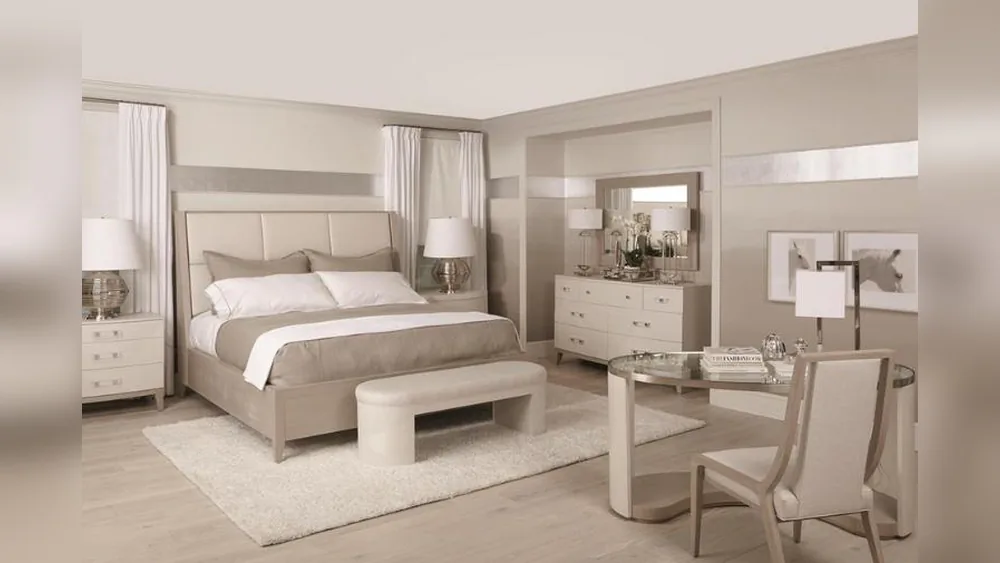
What is the Best Bedroom Furniture is more than picking a bed and a dresser. The right furniture can turn your bedroom into a peaceful retreat, improve your daily life, and help you rest better. But with so many options—different styles, materials, and prices—it can be confusing.
Many people buy furniture that looks nice but doesn’t fit their needs. Others choose cheap pieces that wear out quickly. In this article, you’ll learn what truly matters when choosing bedroom furniture, including tips many beginners miss. You’ll see comparisons, data, and practical advice for every major piece.
By the end, you’ll feel confident creating a bedroom that suits your lifestyle, budget, and taste.
What Makes Bedroom Furniture “best”?
Most people think the best bedroom furniture is just about looks or price. But three key factors matter:
- Functionality: Will it make your daily routine easier?
- Comfort: Does it help you relax and sleep well?
- Durability: Will it last without breaking or looking old?
Let’s look deeper at these points.
Functionality
Great bedroom furniture should help you organize and use your space. A bed with storage drawers can clear up clutter. A nightstand with USB ports makes charging devices easy. If your room is small, a wardrobe with adjustable shelves gives you flexibility.
Comfort
Comfort isn’t just about the mattress. The height of your bed, the softness of your chair, and even the handles on your dresser matter. For example, a low bed can be hard for older people, while a tall bed may feel cold and distant.
Durability
Cheap furniture often uses particleboard or thin plywood. These materials may warp or break after a few years. Solid wood or metal pieces last longer and look better over time.
Many beginners forget to check the hardware—drawer slides, hinges, and screws. Quality hardware means drawers slide smoothly and doors don’t sag.
Essential Bedroom Furniture Pieces
Every bedroom needs certain pieces. Here’s what to consider for each:
Bed
The bed is the centerpiece of any bedroom. It affects your sleep, style, and storage.
Size Matters: The most common bed sizes in the US are Twin (38”x75”), Full (54”x75”), Queen (60”x80”), and King (76”x80”). Choose based on your room’s size and your needs.
Frame Types:
- Platform beds offer storage and do not require a box spring.
- Upholstered beds add softness but may need cleaning.
- Metal frames are durable and often cheaper.
Mattress Support: Look for slats or a solid base that supports your mattress. Avoid beds with weak frames—they can squeak or sag.
Nightstand
A nightstand keeps your essentials close. The best ones have:
- Enough surface area for a lamp, phone, and book.
- At least one drawer for storage.
- A height that matches your bed.
Some nightstands have built-in charging ports. This is useful if you charge your phone at night.
Dresser
Dressers organize clothes and other items. A good dresser has sturdy drawers, a stable frame, and enough space for your wardrobe. Avoid dressers with thin back panels—they can collapse over time.
Wardrobe Or Closet
If your room lacks a built-in closet, a wardrobe is essential. Look for adjustable shelves, hanging space, and doors that close tightly. Some wardrobes even have mirrors built in.
Seating
A chair or bench can help when dressing or reading. Upholstered benches are comfortable, while wooden chairs are sturdy. If space is limited, a storage bench at the foot of the bed is a smart choice.
Vanity Table
A vanity is optional, but useful for makeup or grooming. It should have good lighting, a comfortable chair, and drawers for your items.
Comparing Materials: Wood, Metal, And Other Options
Choosing the right material affects your furniture’s look, feel, and lifespan.
| Material | Pros | Cons |
|---|---|---|
| Solid Wood | Durable, classic look, ages well | Expensive, heavy, can scratch |
| Engineered Wood (MDF, particleboard) | Affordable, smooth finish | Less durable, may warp with moisture |
| Metal | Strong, modern style, lightweight | Can rust, cold feel |
| Upholstered | Soft, cozy look | Needs cleaning, can stain |
| Plastic | Cheap, lightweight | Looks less stylish, not durable |
Solid wood is best for longevity, but costs more. Engineered wood is common in budget furniture, but check for quality. Metal works well for modern rooms, but can feel cold. Upholstered pieces add comfort, but need maintenance.
Bedroom Furniture Styles: What’s Popular?
Furniture style affects mood and comfort. Here are the main styles:
- Traditional: Dark wood, ornate designs, classic handles.
- Modern: Clean lines, neutral colors, metal or glass accents.
- Rustic: Natural wood, distressed finishes, earthy tones.
- Industrial: Exposed metal, raw wood, simple shapes.
- Minimalist: Simple forms, little decoration, light colors.
Pick a style that matches your taste and home. Mixing styles can work, but stick to a main theme for harmony.
Space Optimization: Furniture For Small Bedrooms
Many people struggle with small rooms. The best furniture for small bedrooms focuses on saving space.
Smart Solutions
- Beds with drawers or lift-up storage.
- Wall-mounted nightstands.
- Tall dressers instead of wide ones.
- Mirrors to make the room feel bigger.
Examples
A platform bed with storage can replace a separate dresser. Wall shelves can hold books and décor without using floor space. Choose furniture with slim profiles to avoid crowding.
Price Vs. Quality: Is Expensive Always Better?
Price does not always mean quality. Here’s a comparison of common price points:
| Price Range | Typical Features | Long-Term Value |
|---|---|---|
| Budget ($100-$500) | Engineered wood, basic hardware, simple design | May need replacing in 2-5 years |
| Mid-range ($500-$1500) | Solid wood or mixed materials, better hardware, more style choices | Lasts 5-10 years |
| Premium ($1500+) | High-quality wood, custom designs, strong hardware | Can last 10+ years |
It’s smart to invest more in pieces you use daily—like your bed and dresser. For less-used items, you can save money.
Key Mistakes When Buying Bedroom Furniture
Even experienced shoppers make mistakes. Here are common errors:
- Ignoring measurements: Furniture that’s too big or too small can ruin your room.
- Choosing style over comfort: A stylish chair is useless if it’s uncomfortable.
- Forgetting storage needs: Lack of drawers or shelves leads to clutter.
- Not checking materials: Cheap materials wear out fast.
- Skipping assembly info: Some furniture is hard to assemble—check reviews.
- Overbuying: Too many pieces crowd the room.
One non-obvious insight: Always check the height of your bed and nightstand. If they don’t match, reaching for items at night can be awkward.
Personalization: Making Furniture Fit Your Lifestyle
The best bedroom furniture adapts to your needs. Here’s how:
- If you work from your bedroom, add a small desk or laptop table.
- If you share your room, choose beds with split storage or dual nightstands.
- For kids’ rooms, furniture with rounded edges is safer.
Some brands offer modular pieces—add or remove parts as you need.
Eco-friendly And Health Considerations
Furniture affects your health and the environment. Look for:
- Low-VOC finishes (fewer chemical smells).
- Solid wood from sustainable sources.
- Certified products (like GREENGUARD).
Many beginners miss that some cheap furniture can release chemicals for months after purchase. This affects air quality.
Assembly And Maintenance
Most bedroom furniture needs assembly. Quality pieces come with clear instructions and sturdy hardware. If you’re not handy, look for brands that offer assembly services.
Maintenance is also important. Dust wood regularly, tighten screws, and clean upholstery with safe products. Well-maintained furniture lasts longer.
Buying Online Vs. In-store
Online shopping gives you more choices and often better prices. But you can’t touch or see the furniture. Always check:
- Customer reviews for quality and assembly info.
- Return policies in case it doesn’t fit.
- Delivery options (some companies offer free assembly).
In-store shopping lets you test comfort and finish. But prices may be higher.
For more data on furniture buying trends, see Statista Furniture Statistics.
Bedroom Furniture For Different Needs
Everyone’s needs are different. Here are examples for special situations:
Couples
Choose a queen or king bed and two nightstands for convenience. Shared dressers work if you both have similar storage needs.
Kids
Look for safety features—rounded corners, stable legs, and easy-to-clean surfaces. Bunk beds save space.
Seniors
Beds with adjustable heights and sturdy frames help mobility. Nightstands with easy-open drawers are useful.
Guests
A simple bed, nightstand, and small dresser are enough. Foldable furniture can help save space.
Making The Final Choice: A Step-by-step Guide
Choosing the best bedroom furniture is easier with a plan.
- Measure your room. Write down length, width, and ceiling height.
- Make a list of needs. Bed, dresser, nightstand, etc.
- Set a budget. Decide what you can spend.
- Choose a style. Traditional, modern, minimalist, etc.
- Compare materials. Solid wood, metal, engineered wood.
- Check reviews and warranties. Reliable brands are worth extra.
- Visit stores or browse online. Test comfort and fit if possible.
- Confirm delivery and assembly details.
- Buy only what you need. Avoid overcrowding.
A non-obvious tip: Don’t rush. Taking time means fewer regrets and better furniture.
Data Table: Common Bedroom Furniture Sizes
Here’s a quick reference for typical furniture sizes:
| Furniture | Common Size (inches) | Notes |
|---|---|---|
| Bed (Queen) | 60 x 80 | Fits most rooms, good for couples |
| Nightstand | 18-24 x 18-24 | Should match bed height |
| Dresser | 30-60 x 18-20 | Check drawer depth |
| Wardrobe | 36-60 x 24-30 | Needs space for doors |
| Bench | 36-48 x 16-18 | Fits at bed foot |
Always measure your room and compare with these sizes.
Practical Tips For A Better Bedroom Setup
- Place the bed away from the door for privacy.
- Use a rug under the bed to add warmth.
- Keep walkways clear for safety.
- Add personal touches—photos, plants, art.
Lighting matters too. Bedside lamps make reading easier and add comfort.
Final Thoughts
The best bedroom furniture is not just stylish or expensive—it’s functional, comfortable, and lasts for years. It fits your space and lifestyle. Always measure, compare materials, and invest in quality where it matters. Take your time, avoid common mistakes, and personalize your choices.
With smart planning, your bedroom can become a place of rest and happiness.
Frequently Asked Questions
What Is The Most Important Bedroom Furniture Piece?
The bed is the most important. It affects your sleep and sets the style for the room. Good beds offer comfort, support, and sometimes storage.
How Can I Choose Furniture For A Small Bedroom?
Pick multi-functional pieces like storage beds and tall dressers. Use wall-mounted shelves and avoid large items. Measure carefully to prevent overcrowding.
Is Solid Wood Better Than Engineered Wood?
Solid wood lasts longer and looks classic, but costs more. Engineered wood is affordable and works for lighter use. For main pieces, solid wood is a smart investment.
Should I Buy Bedroom Furniture Online Or In-store?
Buying online gives more choices and better prices. But you can’t check comfort or finish. In-store lets you test items, but may cost more. Always check reviews and return policies.
What Are Some Eco-friendly Bedroom Furniture Options?
Look for sustainable wood, low-VOC finishes, and certified products. Many brands now offer eco-friendly furniture that’s safe and durable.