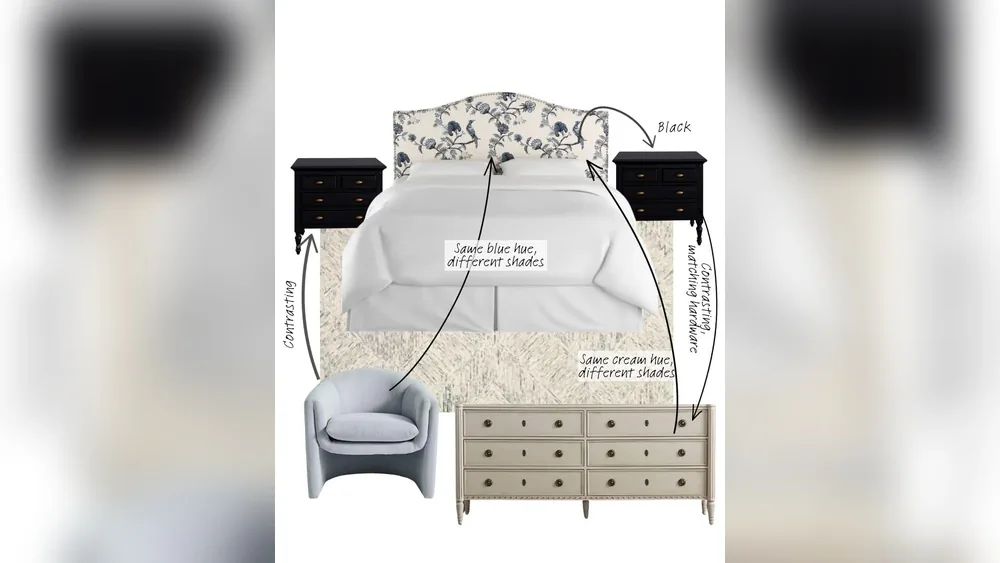
How to Mix Match Bedroom Furniture is not just a trend—it’s a smart way to create a space that feels unique and personal. Many people worry about making mistakes or ending up with a messy look, but with the right approach, you can achieve a stylish, balanced bedroom that reflects your taste.
This guide will help you understand how to combine different furniture styles, colors, and finishes for a harmonious result. Whether you’re starting from scratch or updating your room, you’ll learn practical steps, common pitfalls, and fresh ideas that go beyond the basics.
Why Mix Match Bedroom Furniture?
Choosing bedroom furniture from different collections allows you to express your personality. It avoids the “showroom” feel and makes your room inviting. According to a 2023 survey by Houzz, 62% of homeowners prefer mixed furniture over matched sets for their bedrooms. Mixing pieces is also practical—sometimes you inherit furniture, or buy items over time, and making them work together saves money and reduces waste.
Mixing furniture is not only about looks; it also lets you adapt your space as your needs change. For example, combining a vintage dresser with a modern bed can add character and provide extra storage. Many interior designers agree that mixed furniture helps create a layered, lived-in look that feels more natural.
Understanding Your Style
Before you start, it’s important to know your personal style. This guides your choices and keeps your room from looking chaotic. There are several main bedroom styles:
- Modern: Clean lines, simple shapes, neutral colors.
- Traditional: Ornate details, rich wood tones, classic shapes.
- Boho: Eclectic, colorful, mix of textures and patterns.
- Scandinavian: Light colors, natural woods, minimalism.
- Industrial: Metal finishes, raw wood, urban vibes.
You don’t have to choose just one. Most bedrooms blend styles. What matters is knowing which elements you like. For example, you may prefer the warmth of traditional wood but want the simplicity of modern shapes.
How To Identify Your Style
- Look at photos of bedrooms online or in magazines.
- Notice which colors, materials, and shapes attract you.
- Think about your lifestyle. Do you need lots of storage? Do you want a cozy feel or an open, airy room?
Once you have a sense of your style, write down three words that describe what you want. This will help guide your furniture choices.
Planning Your Bedroom Layout
Mixing furniture works best when you start with a clear plan. A good layout ensures your room functions well and looks balanced.
Steps To Plan Your Layout
- Measure your room, including doors and windows.
- Make a simple sketch with the main pieces: Bed, dresser, nightstands.
- Decide on the focal point—usually the bed.
- Arrange other furniture around the focal point, keeping enough walking space.
If your room is small, choose furniture with legs or lighter finishes to keep it airy. In larger bedrooms, you can use bigger pieces or add seating.
Data Table: Common Bedroom Sizes And Furniture Choices
| Room Size (sq ft) | Recommended Bed Size | Nightstand Size | Dresser Type |
|---|---|---|---|
| 100-150 | Twin/Full | Small (18-22″ wide) | Compact (3-4 drawers) |
| 150-200 | Queen | Medium (22-26″ wide) | Standard (5-6 drawers) |
| 200+ | King/California King | Large (26-32″ wide) | Wide (7-9 drawers) |
This table helps you choose furniture sizes that fit your space and avoid overcrowding.
Choosing Your Main Pieces
The bed is usually the biggest and most important piece in your bedroom. Start with it, then build around. Beds come in many styles: platform, sleigh, upholstered, metal, wood. Choose one that fits your style and room size.
After the bed, select your dresser and nightstands. Here’s where mixing comes in. You don’t need to match them perfectly to the bed. For example, a dark wood bed can look great with lighter wood nightstands or a painted dresser.
Comparison Table: Mixing Materials
| Bed Material | Nightstand Options | Dresser Options |
|---|---|---|
| Wood (dark) | Metal, lighter wood, white | Glass, painted wood, mid-tone wood |
| Upholstered (neutral) | Natural wood, mirrored, color pop | Textured wood, lacquer, bold color |
| Metal | Wood, stone, vintage | Industrial, reclaimed wood, painted |
This table shows how you can combine different materials without making the room feel disjointed.

Mixing Colors And Finishes
One of the biggest fears people have is mixing colors and finishes. But you don’t need everything to match. In fact, mixing finishes can make your room more interesting.
Tips For Mixing Colors
- Choose a dominant color (often the bed or walls).
- Use one or two accent colors in smaller pieces, like nightstands or benches.
- Keep the palette balanced—if you have a dark bed, add lighter pieces to keep the room from feeling heavy.
Mixing Wood Tones
Mixing wood can be tricky. Here are some guidelines:
- Stick to two or three wood tones. For example, a walnut bed with oak nightstands and a white dresser.
- Balance warm and cool tones. If your bed is warm-toned, choose cooler accents.
- Use area rugs and textiles to bridge different wood finishes.
Example: Balanced Mix
Imagine a room with a gray upholstered bed, white nightstands, and a medium-tone wood dresser. Add navy blue bedding and gold lamps. This mix feels fresh, not random, because the colors and finishes relate to each other.
Combining Different Styles
You can mix styles, but there are some rules to follow so your room doesn’t look confused.
How To Blend Styles
- Pair modern shapes with classic finishes. For example, a sleek platform bed with a vintage dresser.
- Use similar proportions. If your bed is low and simple, don’t choose a huge, ornate nightstand.
- Echo shapes and lines. If your bed has curved edges, pick a mirror or lamp with similar curves.
Data Table: Popular Style Combinations
| Main Style | Complementary Style | Result |
|---|---|---|
| Modern | Mid-century | Clean, retro vibe |
| Traditional | Boho | Warm, eclectic |
| Scandinavian | Industrial | Minimal, urban |
| Farmhouse | Contemporary | Cozy, updated |
This table gives you ideas for combining styles that work well together.

Using Textiles And Accessories
Textiles—like bedding, rugs, curtains—can help tie mixed furniture together. They add color, pattern, and softness, making the room feel unified.
How Textiles Help
- Use a rug that picks up colors from your furniture.
- Choose throw pillows and blankets that match your accent colors.
- Hang curtains that relate to your wall color or furniture finish.
Accessories like lamps, artwork, and mirrors also help balance mixed furniture. For example, a modern lamp on a vintage nightstand creates a bridge between styles.
Balancing The Room
Balance is key when mixing furniture. Your room should feel stable, not lopsided.
Tips For Achieving Balance
- Place similar-sized pieces across from each other. If you have a large dresser on one side, use a tall bookshelf or chair on the other.
- Keep the visual weight even. Avoid putting all dark or heavy items on one side.
- Use symmetry where possible. Matching lamps or pillows can help.
One insight many beginners miss: you don’t have to use pairs for everything. Odd numbers (like three different pillows or a single bench) can look more natural.

Storage Solutions For Mixed Furniture
Mixed furniture often means different storage types. Combine closed storage (dressers, chests) with open storage (shelves, baskets) for both function and style.
Practical Storage Ideas
- Use a vintage trunk at the foot of the bed for extra blankets.
- Add floating shelves above the nightstand for books or décor.
- Place baskets under the bed for shoes or off-season clothes.
Mixing storage types keeps your room organized and interesting.
Mistakes To Avoid
Many people make mistakes when mixing bedroom furniture. Here are some common ones—and how to fix them:
- Matching everything: Buying all pieces from one set can feel flat. Mix at least two different finishes or styles.
- Ignoring scale: If your bed is big, tiny nightstands will look odd. Keep sizes in proportion.
- Too many colors: Limit yourself to three main colors to avoid chaos.
- No focal point: Always have one main piece, usually the bed, to anchor the room.
- Neglecting function: Don’t choose a beautiful dresser that doesn’t hold your clothes.
Another insight: mixing furniture is easier if you use neutral walls and floors. This gives you more freedom with colors and finishes.
Real-life Examples
Let’s look at how real people mix and match bedroom furniture successfully.
Example 1: Urban Apartment
In a New York City apartment, the owner uses a black metal bed, white lacquer nightstands, and a walnut dresser. She adds a geometric rug and brass lamps. The mix of materials and finishes creates a chic, urban feel.
Example 2: Cozy Cottage
A cottage bedroom features a painted iron bed, natural wood nightstands, and a distressed blue dresser. The owner uses floral bedding and woven baskets for storage. The mix feels cozy and lived-in.
Example 3: Minimalist Loft
In a loft, the designer chooses a platform bed in light oak, black metal nightstands, and an open bookshelf. White walls and gray curtains tie the look together. The furniture is different, but the clean lines keep it unified.
Where To Shop For Mixed Furniture
You don’t have to buy everything from one store. Look for unique pieces at:
- Local furniture shops
- Antique stores
- Online marketplaces like Etsy or Wayfair
- Garage sales or thrift stores
Mixing new and old pieces adds character and often saves money. You can also find inspiration and product reviews at Houzz.
How To Update Existing Pieces
If you already have furniture but want to mix things up, try these ideas:
- Paint or refinish a dresser to match your new bed.
- Change hardware (drawer pulls, knobs) for a fresh look.
- Add new legs to a nightstand for a modern touch.
- Use peel-and-stick wallpaper inside drawers for fun detail.
Small changes can make old furniture feel new and help it fit with other pieces.
Creating Visual Flow
Visual flow means your eye can move easily around the room. This makes mixed furniture feel intentional, not random.
Ways To Create Flow
- Repeat colors or materials in different spots. For example, use gold in the lamp, mirror frame, and pillow.
- Use artwork that ties together your color scheme.
- Arrange furniture so each piece relates to the next—don’t block windows or doors.
A common beginner mistake: forgetting to connect pieces visually. Always look for ways to make the room feel like a whole.
Frequently Asked Questions
How Many Furniture Styles Can I Mix In One Bedroom?
It’s best to mix two or three styles. Too many can make the room feel confusing. Start with a main style, then add accents from another.
Can I Mix Old And New Furniture?
Yes, mixing vintage and modern furniture adds personality. Make sure they share a color or material so the look feels unified.
What If My Furniture Sizes Don’t Match?
Try to balance the room by placing larger pieces opposite each other. If a nightstand is small, add a lamp or books to increase its visual weight.
Is It Okay To Use Different Wood Finishes?
Absolutely. Mixing wood tones adds depth. Stick to two or three finishes and use textiles to bridge the gap.
Do I Need To Match My Bed And Dresser?
No, you don’t need to match. Choose pieces that complement each other in color, finish, or style. It’s more interesting than buying a full set.
Mixing and matching bedroom furniture is a creative way to design a space you’ll love. It helps you avoid the “cookie-cutter” look, makes your room more functional, and lets you express your style. By planning your layout, balancing colors and finishes, and using textiles and accessories, you can create a bedroom that feels both stylish and comfortable.
Remember, the goal is not perfection—it’s creating a room that feels like you.