When you want to buy outdoor furniture, choosing the right material is the most important step. Outdoor furniture faces sun, rain, wind, and sometimes snow. If you select a weak material, what is the Best Material for Outdoor Furniture?
But if you pick the best material, your furniture lasts longer, looks beautiful, and needs less maintenance. Many people make mistakes by choosing only based on looks or price. The truth is, the best material depends on your climate, budget, style, and how much time you want to spend caring for your furniture.
Let’s explore all the main materials for outdoor furniture, compare them, and see which one fits your needs. You’ll learn the strengths and weaknesses of each material, get practical advice, and find some insights that beginners often miss. By the end, you’ll know exactly how to choose the best material for your outdoor furniture.
Why Material Matters For Outdoor Furniture
Outdoor furniture is not the same as indoor furniture. It stays outside, so it faces UV rays, moisture, temperature changes, and sometimes pests or mold. If the material is not strong enough, your furniture can rot, rust, crack, or lose color. Many people think only about style and price, but material affects:
- Durability: How long will the furniture last?
- Maintenance: How much work is needed to keep it in good shape?
- Comfort: Will it feel good to sit on during hot or cold days?
- Safety: Can it break or become unstable?
- Value: Will it keep its looks and strength over the years?
Some materials work well in one climate but fail in another. For example, wood can rot in wet places, while metal can get too hot in sunny areas. So, choosing the best material is a mix of science, style, and common sense.
Main Types Of Outdoor Furniture Materials
Let’s look at the most popular materials used for outdoor furniture. Each has unique features and challenges. Understanding these will help you make a confident choice.
1. Teak Wood
Teak is famous as the top wood for outdoor furniture. It comes from tropical trees and is naturally rich in oils. These oils protect the wood from water, insects, and sun damage. Teak is used for ship decks and luxury furniture because it lasts for decades.
- Pros: Highly durable, resists water and pests, smooth texture, ages to a silver-grey color.
- Cons: Expensive, heavy, needs occasional oiling to keep golden color.
- Best for: Luxury patios, long-lasting furniture, places with rain or humidity.
One non-obvious tip: Teak is so strong that you can leave it outside all year, but it will change color. If you want to keep the golden look, apply teak oil every 6–12 months.
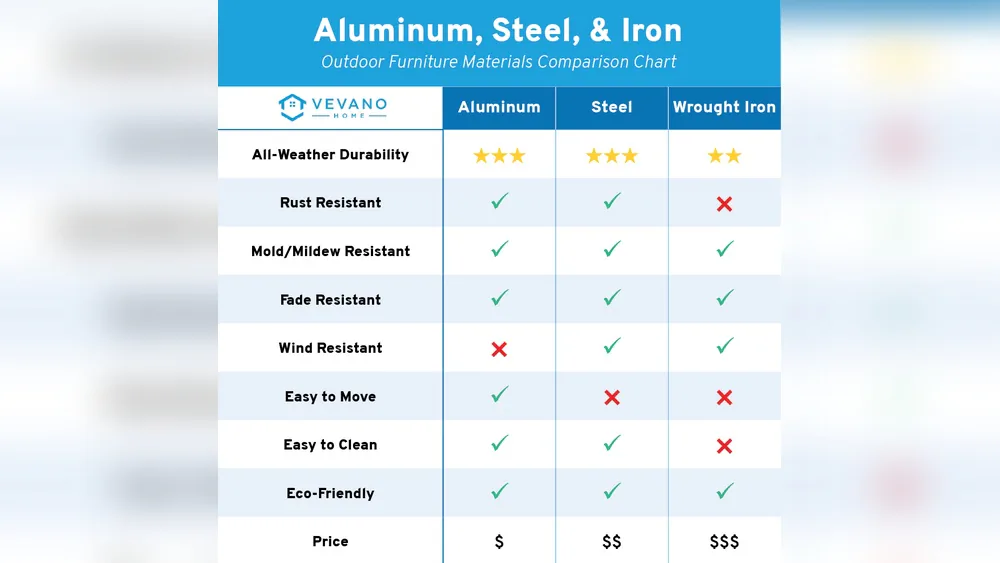
2. Aluminum
Aluminum is a lightweight metal that doesn’t rust. It’s often used for modern outdoor furniture because it’s easy to move and doesn’t need much care.
- Pros: No rust, light weight, low maintenance, easy to shape into many designs.
- Cons: Can be blown away in strong winds, gets hot in direct sun, dents easily.
- Best for: Modern patios, balconies, places with little wind.
Many beginners forget to check if the aluminum is powder-coated. This coating protects the metal and adds color. If you buy plain aluminum, it can scratch or lose color faster.
3. Wrought Iron
Wrought iron is strong, heavy, and classic. It’s used for traditional garden benches and tables. The weight keeps it stable in wind.
- Pros: Very strong, stable, long-lasting, classic style.
- Cons: Can rust if not coated, heavy to move, gets hot or cold with weather.
- Best for: Windy places, classic gardens, permanent furniture.
A hidden insight: Good wrought iron furniture uses special coatings to prevent rust. If you see bare metal, it will rust quickly outside.
4. Synthetic Resin (plastic)
Synthetic resin furniture is made from high-quality plastic, often called polyethylene or polypropylene. It can look like wicker, wood, or metal.
- Pros: Very light, cheap, easy to clean, resists water and fading.
- Cons: Can crack in cold weather, may look less elegant, some types can fade with strong sun.
- Best for: Budget buyers, casual patios, wet climates.
Not all plastic furniture is the same. HDPE (High-Density Polyethylene) is the strongest resin for outdoor use. If you buy low-quality plastic, it may break after one season.
5. Stainless Steel
Stainless steel is used for modern outdoor furniture. It’s strong, resists rust, and can look shiny or matte.
- Pros: Strong, rust-resistant, modern look, stable in wind.
- Cons: Heavy, expensive, can get hot in sun, fingerprints show easily.
- Best for: Urban patios, windy places, people who want sleek styles.
A tip: Not all stainless steel is equal. Look for 304-grade stainless steel. Lower grades can rust in salty air.
6. Eucalyptus Wood
Eucalyptus is a cheaper alternative to teak. It has natural oils, but not as much as teak. It’s used for outdoor furniture because it’s strong and resists some water and insects.
- Pros: Affordable, good durability, eco-friendly, rich color.
- Cons: Needs oiling, can crack in extreme cold, less water-resistant than teak.
- Best for: Budget wood lovers, eco-friendly buyers.
A non-obvious insight: Eucalyptus furniture often comes with a factory oil finish. But you should reapply oil every few months for best results.
7. Cedar Wood
Cedar is a softwood with a pleasant smell. It’s used for rustic benches and picnic tables. Cedar naturally resists pests and rot.
- Pros: Lightweight, affordable, resists insects, smells good.
- Cons: Can scratch or dent, needs sealant, not as strong as teak.
- Best for: Rustic gardens, budget buyers, areas with insects.
Cedar’s color fades to grey quickly in sthe un. If you want to keep the red tone, use a UV-blocking sealant.
8. Recycled Plastic
Recycled plastic furniture is made from old bottles, containers, or other plastics. It’s eco-friendly and strong.
- Pros: Environmentally friendly, water-resistant, doesn’t fade, easy to clean.
- Cons: Can be expensive, limited styles, heavy.
- Best for: Eco-conscious buyers, wet climates, modern patios.
Many beginners miss that recycled plastic furniture sometimes contains metal supports inside for extra strength.
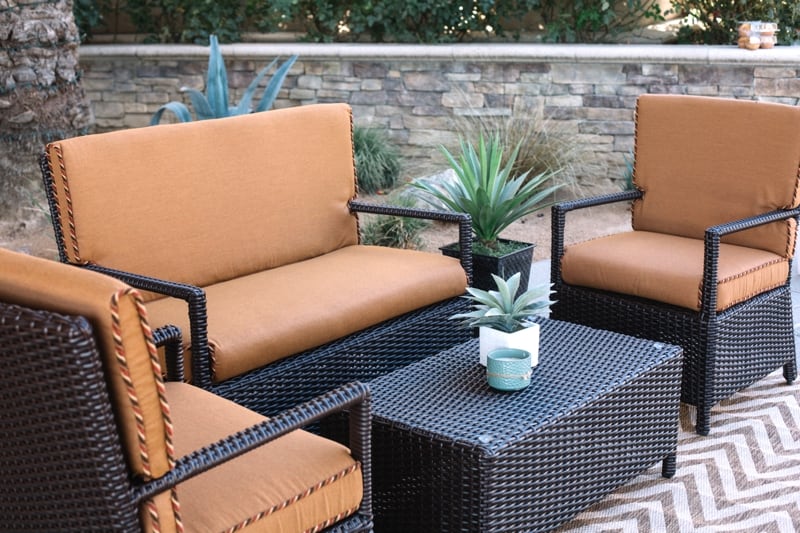
9. Rattan (natural And Synthetic)
Rattan is a natural fiber from palm plants. It’s woven into beautiful shapes, but natural rattan is not very durable outside. Synthetic rattan (resin wicker) is much stronger for outdoor use.
- Pros: Elegant look, comfortable, synthetic types resist water and fading.
- Cons: Natural rattan is not suitable for outdoors, and synthetic can be expensive.
- Best for: Covered patios, sunrooms, buyers who like woven styles.
A tip: Synthetic rattan is best when made from HDPE, which lasts longer than PVC or other plastics.
10. Bamboo
Bamboo is fast-growing and eco-friendly. It’s used for casual furniture and Asian-inspired designs.
- Pros: Sustainable, light, unique look.
- Cons: Can crack or rot, not strong for heavy use, needs regular sealing.
- Best for: Covered areas, decorative pieces, and eco-friendly buyers.
Beginners often miss that bamboo needs to be kept dry. It’s not good for rainy climates unless well protected.
11. Fabric Cushions (outdoor Fabric)
Outdoor furniture often uses fabric cushions made from special materials like Sunbrella or Olefin. These fabrics resist water, UV rays, and stains.
- Pros: Comfortable, many colors, resists sun and rain.
- Cons: Needs cleaning, can grow mold if wet, and fabric can fade over time.
- Best for: Sofas, lounge chairs, buyers who want comfort.
A non-obvious tip: Always check the foam inside the cushion. Quick-dry foam is best for outdoor use.
12. Composite Materials
Some furniture uses composite materials—a mix of wood, plastic, and sometimes metal. These are engineered to last longer.
- Pros: Strong, resists water and insects, and easy to clean.
- Cons: Can be expensive, heavy, limited color choices.
- Best for: All climates, buyers who want low maintenance.
The best composites use recycled content, which is better for the environment.
Comparing Outdoor Furniture Materials
To help you understand the differences, here’s a comparison of durability, maintenance, and cost for the most popular materials:
| Material | Durability | Maintenance | Cost (approx.) |
|---|---|---|---|
| Teak | 20–50 years | Medium (oiling) | High |
| Aluminum | 10–20 years | Low | Medium |
| Wrought Iron | 15–30 years | Medium (coating) | Medium–High |
| Synthetic Resin | 5–15 years | Low | Low–Medium |
| Stainless Steel | 15–25 years | Low | High |
| Eucalyptus | 10–15 years | Medium (oiling) | Medium |
| Cedar | 8–12 years | Medium (sealing) | Low–Medium |
| Recycled Plastic | 15–30 years | Low | Medium–High |
| Rattan (Synthetic) | 10–20 years | Low | Medium–High |
| Bamboo | 5–10 years | High (sealing) | Low |
| Outdoor Fabric | 3–8 years | Medium (cleaning) | Medium |
| Composite | 15–25 years | Low | High |
Climate And Location: Matching Material To Your Environment
The best outdoor furniture material depends on where you live. Here’s how to match material to climate:
Hot And Sunny Climates
Choose materials that resist fading and don’t get too hot. Teak, synthetic resin, and powder-coated aluminum work well. Avoid metal that isn’t coated, as it will heat up.
Wet And Humid Climates
Pick materials that don’t rot or rust. Teak, recycled plastic, and synthetic rattan are ideal. Wood needs special care, like oiling and sealing.
Coastal Areas (Salt Air)
Salt can cause metal to rust quickly. Use teak, recycled plastic, or high-grade stainless steel. Aluminum needs good powder coating.
Windy Areas
Heavy materials like wrought iron, stainless steel, and composite are best. Light furniture can blow away.
Cold And Snowy Climates
Wood can crack, and plastic can become brittle. Use composite, wrought iron (coated), or recycled plastic. Cover furniture in winter for the best results.
Maintenance: How Much Work Are You Willing To Do?
Some outdoor furniture materials need more care than others. Here’s a quick guide:
| Material | Maintenance Tasks | Frequency |
|---|---|---|
| Teak | Oiling, cleaning | Every 6–12 months |
| Aluminum | Wipe clean | Monthly |
| Wrought Iron | Check coating, remove rust | Yearly |
| Synthetic Resin | Wash with soap | Monthly |
| Stainless Steel | Wipe clean, polish | Monthly |
| Eucalyptus/Cedar | Oiling, sealing | 2–3 times a year |
| Recycled Plastic | Wipe clean | Monthly |
| Rattan (Synthetic) | Wash, check for cracks | Monthly |
| Bamboo | Seal, clean | 2–3 times a year |
| Outdoor Fabric | Wash, dry foam | Monthly |
| Composite | Wipe clean | Monthly |
If you want furniture that needs little care, aluminum, recycled plastic, synthetic resin, or composite are smart choices. If you enjoy caring for wood or want a luxury look, teak or eucalyptus are good, but require more effort.
Style And Comfort: How Material Changes The Feel
Material affects not only durability but also style and comfort. Some materials feel cold or hot, some are soft, and others are hard. Here are some style insights:
- Teak and wood: Warm, natural, classic. Feels comfortable but can be hard without cushions.
- Aluminum and steel: Modern, sleek, cool to touch. Good for minimalist styles.
- Wrought iron: Old-world charm, heavy lines. Needs cushions for comfort.
- Synthetic resin/rattan: Casual, woven look, soft to touch.
- Bamboo: Exotic, light, eco-friendly. Not for heavy use.
- Outdoor fabric: Maximum comfort, many colors, but needs protection.
Many beginners don’t realize that cushions and covers can change the feel of hard materials. For example, wrought iron or teak benches become much more comfortable with outdoor fabric cushions.
Sustainability: Eco-friendly Choices
If you care about the environment, some materials are better than others:
- Recycled plastic: Uses waste material, lasts long, fully recyclable.
- Bamboo: Grows fast, renewable, but not very durable.
- Eucalyptus: Often from managed forests, more sustainable than teak.
- Composite: Often uses recycled wood and plastic.
Avoid materials that need lots of chemicals or mining, like some metals. Look for FSC-certified wood or products made from recycled content.
Mistakes To Avoid When Choosing Outdoor Furniture Material
Many buyers make simple mistakes that cost them money or comfort. Here are some key points to remember:
- Ignoring climate: Don’t buy wood for rainy places unless it’s teak. Don’t buy metal for coastal areas unless it’s high-grade.
- Choosing only by price: Cheap materials may last only one season.
- Not checking coatings: Powder coating on metal, UV protection on plastic, oil finish on wood are essential.
- Forgetting about weight: Light furniture can blow away; heavy furniture is hard to move.
- Not considering maintenance: Some materials require regular care.
- Buying natural rattan for outdoors: It will rot; use synthetic rattan instead.
- Ignoring frame quality: Some plastic or rattan furniture has weak frames and breaks easily.
- Choosing the wrong fabric: Indoor fabric will fade and mold outside.
- Not planning for comfort: Hard materials need cushions.
- Skipping eco-friendly options: Many strong, attractive materials are also sustainable.
Real-Life Examples: Success And Failure Stories
Let’s look at some real stories to make the topic clearer.
Success Example: A family in Florida bought recycled plastic furniture for their pool area. They chose it because it resists water and sun. Five years later, the furniture still looks new, needs only a wipe every month, and never rusts or rots.
Failure Example: In a coastal town, a couple bought cheap steel chairs without a coating. Within six months, the chairs rusted and stained their patio. They had to replace them with powder-coated aluminum chairs, which lasted much longer.
Comfort Upgrade Example: A homeowner bought wrought iron benches for her garden. She found them uncomfortable in winter and summer. After adding Sunbrella cushions, the benches became the favorite seats in her backyard.
How To Choose The Best Material For Your Outdoor Furniture
Here’s a simple step-by-step guide to help you choose:
- Check your climate: Is it hot, rainy, windy, cold, or salty?
- Decide your budget: How much are you willing to spend for durability and style?
- Think about maintenance: Do you want low-care or are you ready to oil, seal, or clean?
- Choose style and comfort: Do you prefer natural wood, modern metal, woven rattan, or colorful fabric?
- Consider eco-friendly options: Is sustainability important for you?
- Inspect quality: Check for coatings, grade of materials, and frame strength.
- Plan for the future: Will you move furniture often? Is heavy or light better for you?
- Buy from trusted brands: Look for warranties and reviews.

Expert Tips For Outdoor Furniture Longevity
Many beginners don’t know these two important tips:
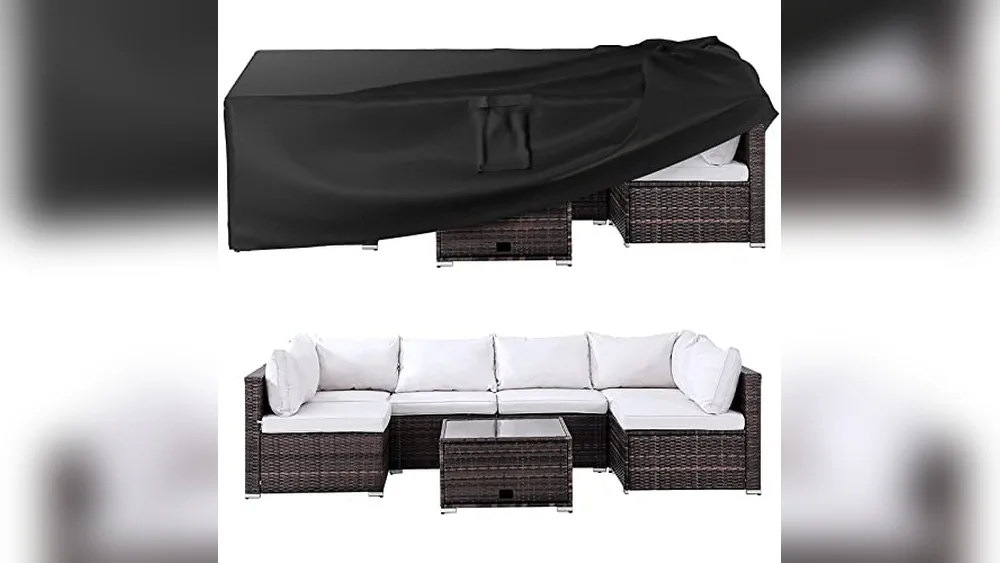
- Always use furniture covers during off-season or bad weather. Covers are cheap and protect all types of materials.
- Place furniture on raised surfaces (like pavers or tiles) instead of grass or dirt. This prevents moisture damage and rot.
For more detailed information on material science, you can check this Better Homes & Gardens guide.
Frequently Asked Questions
What Material Lasts The Longest For Outdoor Furniture?
Teak and recycled plastic are among the longest-lasting materials. Teak can last 20–50 years if cared for, and recycled plastic can last 15–30 years with almost no maintenance.
Is Metal Furniture Good For Outdoor Use?
Yes, but only if it’s powder-coated aluminum or high-grade stainless steel. Regular steel or iron can rust quickly unless protected by coatings.
How Do I Keep Wood Furniture Looking Good Outside?
Apply teak oil or wood sealant every 6–12 months. Clean the furniture regularly and use covers when not in use. Avoid leaving wood furniture in standing water.
Are Outdoor Fabrics Waterproof?
Most outdoor fabrics like Sunbrella and Olefin are water-resistant and quick-drying, but not fully waterproof. You should still bring cushions inside during heavy rain.
What Is The Most Eco-friendly Material For Outdoor Furniture?
Recycled plastic and bamboo are the most eco-friendly. Eucalyptus and FSC-certified wood are also good choices. Always check for certifications and recycled content.
Choosing the best material for outdoor furniture is not just about looks or price. It’s about matching your lifestyle, climate, and values. With the right information and careful planning, your outdoor furniture will last for years, stay comfortable, and make your outdoor space more beautiful and welcoming.