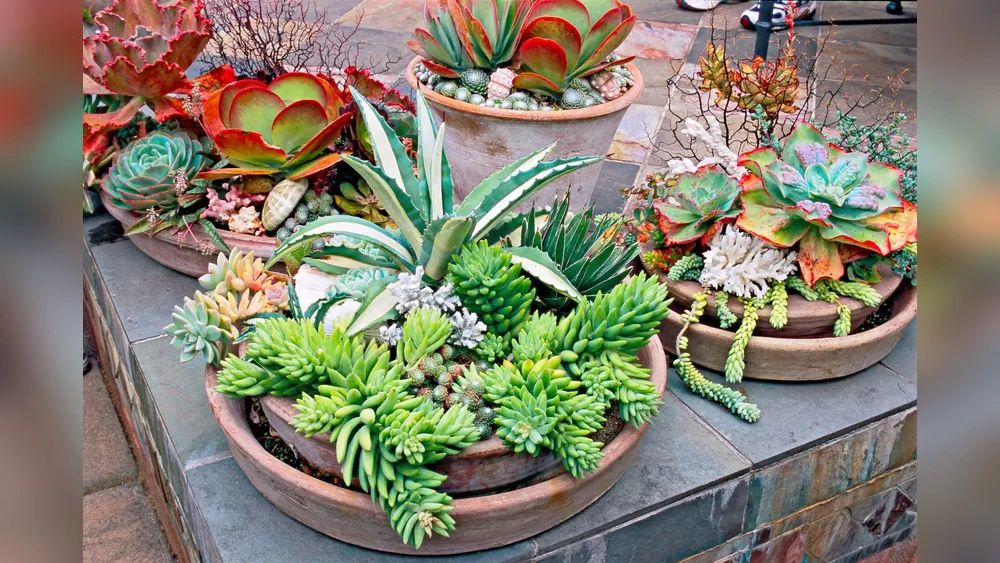
What are the Best Planters for succulents? They are popular houseplants because they are easy to care for and look beautiful. But picking the right planter is key to keeping succulents healthy. Many people make mistakes by using the wrong pots, which can lead to root rot or stunted growth. If you want your succulents to thrive, you need to understand which planters work best and why.
What Makes A Planter Ideal For Succulents
Succulents have special needs. They store water in their leaves, so they do not like wet soil. The main feature you should look for in a succulent planter is drainage. If water stays in the pot, roots can rot quickly.
Here are some important qualities:
- Drainage holes: These allow water to escape, preventing soggy soil.
- Material: Certain materials breathe better, helping soil dry faster.
- Size: A planter should not be too big; succulents prefer snug spaces.
- Depth: Shallow pots are usually best, as succulent roots are short.
- Style: The look is important, but never sacrifice function for style.
Many beginners forget about drainage. It is tempting to use pretty containers with no holes, but this is risky for succulents.
Comparing Planter Materials For Succulents
Not every pot is equal. The material affects how fast the soil dries, and how the plant roots behave. Here is a quick comparison:
| Material | Drainage | Breathability | Best For |
|---|---|---|---|
| Ceramic (unglazed) | Excellent | High | Indoor succulents need dry soil |
| Terracotta | Excellent | Very high | Most succulents are beginner-friendly |
| Plastic | Good (if holes) | Low | Outdoor use; large displays |
| Glass | Poor (usually no holes) | None | Decor only; advanced growers |
| Metal | Varies | None | Short-term displays |
Terracotta is the most popular for beginners. It is cheap, dries quickly, and is easy to find. Ceramic is also good, but glazed pots are less breathable. Plastic can work, but watch for overwatering. Glass planters look nice but are risky for most succulents.
The Best Types Of Planters For Succulents
Now, let’s look at actual planter styles that work well for succulents. Each has pros and cons, and some suit certain environments better.
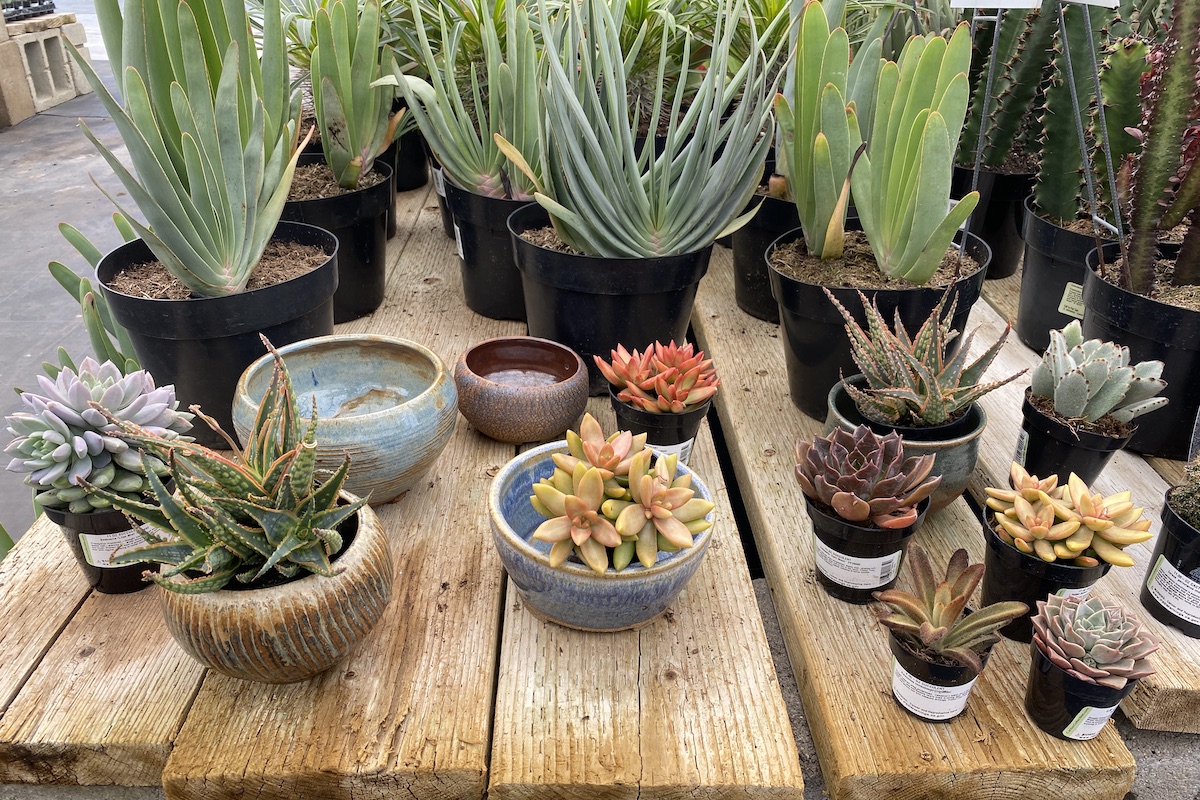
- Terracotta pots: These are classic for succulents. The clay lets moisture escape, keeping the soil dry. They are affordable, available in many sizes, and always have drainage holes. One downside is that they can break easily.
- Ceramic planters: Unglazed ceramic lets air flow, helping roots stay healthy. Glazed ceramic is stylish but dries more slowly. Both are heavier than plastic, which helps prevent tipping.
- Plastic pots: Lightweight and cheap, plastic pots work if they have holes. They hold moisture longer, so be careful not to overwater.
- Concrete planters: Modern and sturdy, concrete pots provide good drainage. They are heavy and last a long time, but can get very cold or hot depending on the weather.
- Hanging planters: Great for small spaces. They are usually made of plastic or ceramic. Make sure they have holes, and avoid glass hangers unless you are experienced.
- Window box planters: Perfect for growing many succulents together. Choose boxes with drainage holes and avoid deep ones.
- Wall-mounted planters: These display succulents vertically. They look impressive but can dry out quickly, so check the soil often.
- Bonsai pots: These shallow pots are ideal for small succulents. They are often ceramic or clay and always have drainage.
- Glass terrariums: These are trendy, but risky. Most glass planters do not have holes, so only be used for special arrangements or with expert care.
- Recycled containers: Creative people use old mugs, tea tins, or boxes. Drill holes if possible, or use a layer of rocks at the bottom. This is not perfect, but it works for short-term displays.
Planter Size And Shape: What Works Best?
Succulents do not need deep pots. Their roots are shallow and spread out. Using a deep pot makes the soil stay wet too long. A shallow, wide pot is best for most varieties.
Here’s a quick size comparison:
| Pot Depth | Root Health | Water Drainage | Best For |
|---|---|---|---|
| Shallow (2-4″) | Excellent | Fast | Most succulents |
| Medium (4-6″) | Good | Moderate | Larger species |
| Deep (>6″) | Poor | Slow | Rarely needed |
Always match pot size to the plant. Overly large pots hold water too long and can stress succulents.
Practical Tips For Choosing Succulent Planters
Many beginners focus only on looks. But here are two insights people often miss:
- Drainage tray matters: If your pot has a hole, use a tray underneath to catch water. This prevents mess but also lets you check how much water drains out.
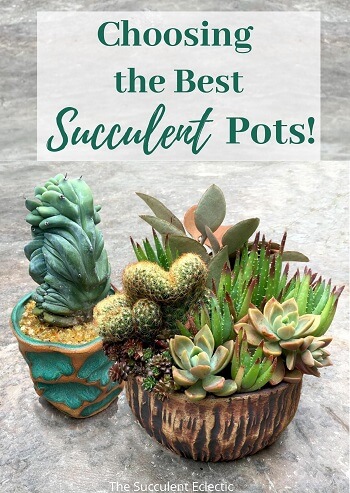
- Grouping succulents: If planting several together, choose a wide, shallow pot. Each plant needs space, but too much soil increases watering risk.
Also, avoid pots painted inside. Paint can block air flow and trap moisture.
If you want to see creative planter ideas, check out WikiHow for inspiration.
Frequently Asked Questions
What Size Planter Is Best For Succulents?
A shallow pot (2-4 inches deep) works for most succulents. Roots are short, so deep pots can cause rot. Choose a pot just slightly larger than the plant’s root ball.
Do Succulents Need Drainage Holes?
Yes, drainage holes are essential. Without them, water collects in the soil and can kill the plant. If your pot has no holes, use a layer of rocks and water very carefully.
Can Succulents Grow In Glass Planters?
Succulents can survive in glass planters, but it’s risky. Glass does not breathe, and most do not have drainage. Only use glass for short-term displays or if you are very careful with watering.
How Often Should I Repot Succulents?
Most succulents need repotting every 1-2 years. If roots fill the pot or the plant stops growing, move to a slightly larger container with fresh soil.
What Is The Best Soil For Succulent Planters?
Use a well-draining mix. Look for cactus or succulent soil, or mix regular potting soil with sand and perlite. Avoid soils that stay wet for long periods.
Choosing the best planter for succulents is more than just picking something pretty. When you focus on drainage, material, and size, your plants will thrive. Experiment with different styles, but always keep the plant’s health in mind. With the right planter, succulents will reward you with vibrant growth and easy care.
:strip_icc()/succulent-mix-100654955-92f1fc8da3ec4e3eb9f22a1ecd973414.jpg)