What are the Best Planters for Indoor Plants is more than just watering and sunlight. Choosing the right planter is a key step that many people overlook. The best planters don’t just look good—they help your plants grow healthy roots, avoid overwatering, and even reduce pests. Whether you’re new to indoor gardening or want to upgrade your plant display, this guide will help you choose the best planters for your space.
Why The Right Planter Matters
A planter is not just a container. It affects how much water your plant gets, how fast the soil dries, and even how the roots grow. For example, a pot that is too small can cause roots to become tangled, while a pot with no drainage can lead to root rot.
With the right planter, your indoor plants can live longer and look more vibrant.
Common Mistakes When Choosing Planters
Many beginners choose planters based only on style or price. However, ignoring drainage holes is a frequent mistake. Another issue is using materials that keep the soil too wet or too dry. Plastic pots may trap moisture, while unglazed clay dries out quickly. Understanding these details can make a big difference in plant health.
Best Planter Types For Indoor Plants
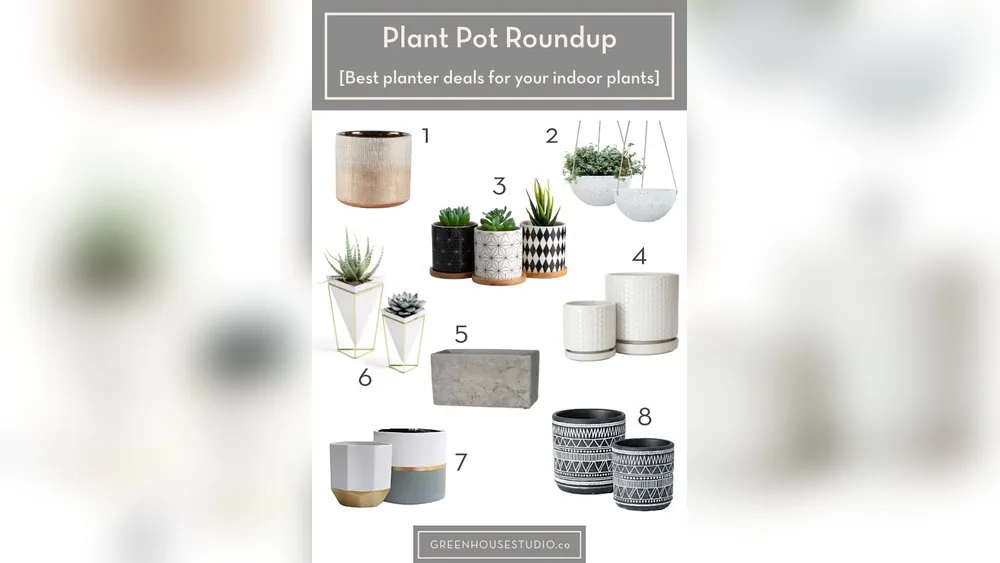
There are many kinds of planters, each with their own strengths. Here’s a look at the most popular options, with a comparison table to help you decide.
| Planter Type | Best For | Main Advantage | Drawback |
|---|---|---|---|
| Terracotta | Cacti, succulents | Good airflow | Dries quickly |
| Ceramic (glazed) | Most houseplants | Stylish, retains moisture | Heavy, can break |
| Plastic | All types | Lightweight, cheap | Low airflow |
| Metal | Decorative plants | Modern look | Can rust, heats up |
| Fabric/Grow Bags | Herbs, vegetables | Good drainage | Short lifespan |
Terracotta Pots
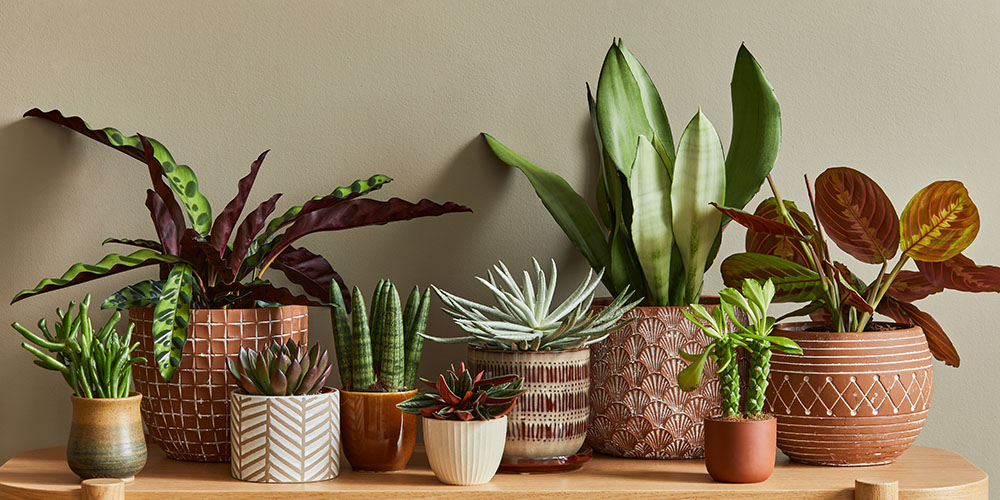
Terracotta is a classic choice. These pots allow air and moisture to move through the walls, which helps prevent overwatering. They are great for succulents and cacti, which prefer dry soil. One downside is that terracotta pots can crack easily and need frequent watering.
Glazed Ceramic Pots
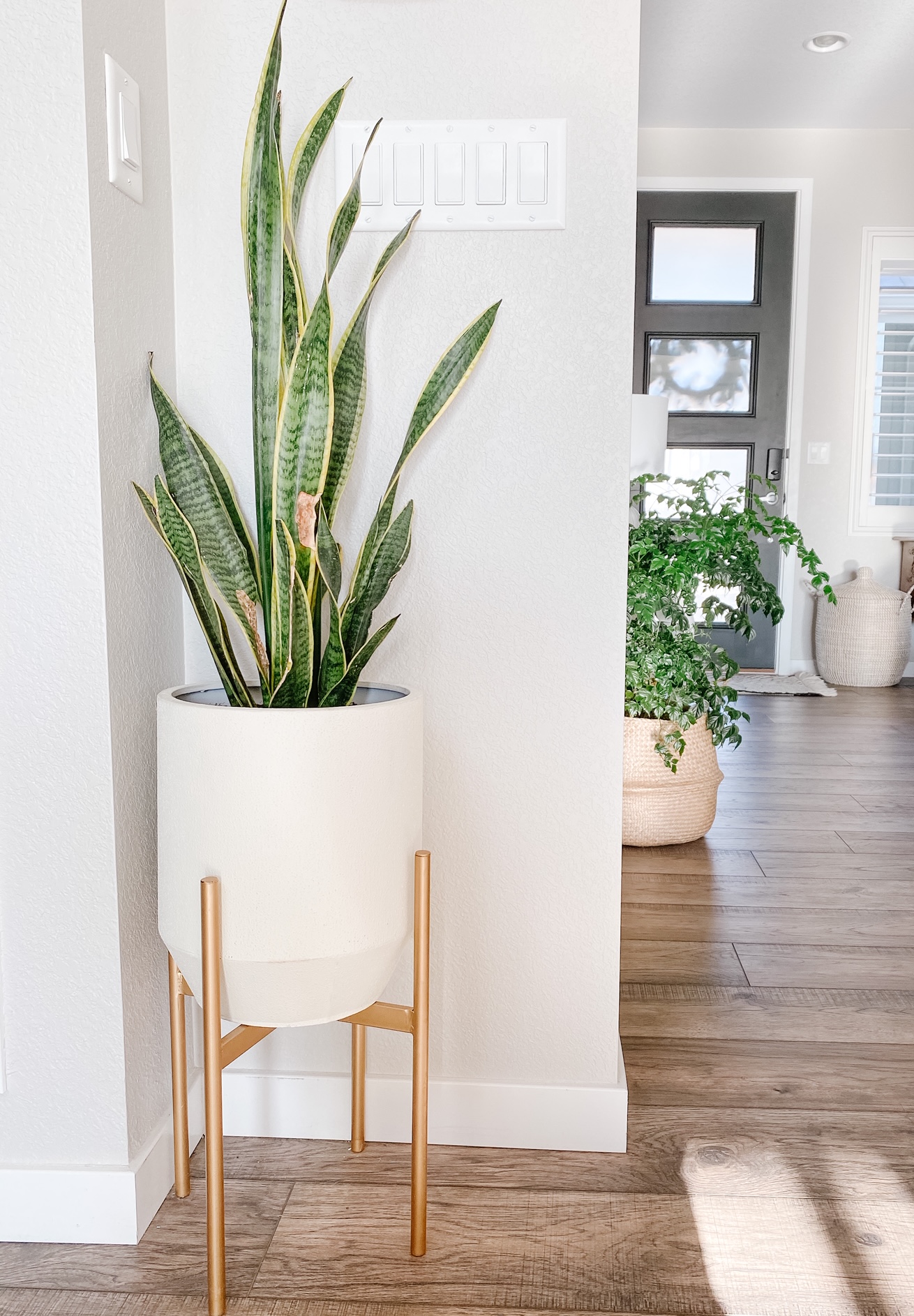
Ceramic planters come in many colors and shapes. The glazed surface keeps moisture inside, so you don’t have to water as often. They work well for popular indoor plants like pothos, peace lily, and snake plant. But they’re heavy and break if dropped.
Plastic Pots
Plastic planters are light, cheap, and easy to clean. They keep soil moist longer, which is good for plants that need steady water. However, plastic pots don’t let air move as well, so roots may get less oxygen. Always check for drainage holes before buying.
Metal Planters
Metal pots look stylish in modern homes. They’re durable but can get hot if placed in direct sunlight. Some metals, like iron, can rust. It’s best to use metal planters with a plastic liner inside.
Fabric Grow Bags
Fabric bags are not common indoors, but they’re great for herbs and veggies. They allow air to reach the roots and drain excess water. However, they wear out faster than other types and don’t hold their shape as well.
Key Features To Look For
When shopping for planters, these features matter most:
- Drainage holes: Prevent root rot by letting extra water escape.
- Material: Choose based on your plant’s water needs and your style.
- Size: The pot should be 1-2 inches wider than your plant’s root ball.
- Shape: Deep pots are better for tall plants; shallow pots suit succulents.
- Weight: Heavy pots are good for large plants, but hard to move.
Here’s a quick data table comparing planter sizes for common indoor plants:
| Plant Name | Recommended Pot Size | Why It Matters |
|---|---|---|
| Spider Plant | 6-8 inches | Room for roots to spread |
| Snake Plant | 8-10 inches | Supports upright growth |
| Peace Lily | 8-10 inches | Prevents overcrowding |
| Succulent | 4-6 inches | Shallow soil, quick drying |
How To Match Planter And Plant
Picking the best planter depends on your plant’s needs. For example, succulents thrive in terracotta pots because they dislike wet roots. Ferns, which love moisture, do better in ceramic or plastic pots. If you’re growing herbs, fabric bags or lightweight plastic work well.
A non-obvious tip: the color of your planter can affect soil temperature. Dark pots absorb heat, which can dry soil faster. Light-colored pots keep roots cooler. This matters if your plants sit near sunny windows.
Another insight: always repot your plant when it outgrows its container. Roots circling the inside of the pot mean it’s time to size up.
:max_bytes(150000):strip_icc()/spr-indoor-planters-tout-0c856d8b7c314b06ba89acc157dcc671.jpg)
Stylish Planter Ideas
Planters are part of your home decor. You can mix and match types for a unique look:
- Use hanging ceramic pots for trailing plants like string of hearts.
- Place tall metal planters in corners for fiddle leaf figs.
- Try grouping small terracotta pots on a windowsill for a natural vibe.
Adding plant stands or shelves can help display your collection and improve air circulation.
Where To Buy Quality Planters
You can find indoor planters at garden centers, home stores, or online. For high-quality options and more detailed information, visit Gardenista. Prices range from $5 for plastic pots to over $50 for large ceramic or metal planters.
Frequently Asked Questions
What Is The Best Planter For Beginners?
Plastic pots are easiest for beginners. They’re light, affordable, and keep soil moist. Just make sure they have drainage holes.
Do All Planters Need Drainage Holes?
Yes, drainage holes are important. Without them, extra water stays in the pot, which can cause root rot.
How Do I Know When To Repot My Plant?
If roots are growing out of the drainage holes or wrapping around inside the pot, it’s time to move to a bigger planter.
Can I Use Decorative Pots Without Holes?
Yes, but place your plant in a plastic pot with holes first, then set it inside the decorative pot. Remove the plastic pot to water and let it drain before putting it back.
Are Self-Watering Planters Good For Indoor Plants?
Self-watering planters are useful for busy people or plants that like steady moisture, like peace lilies. But they can lead to overwatering if not checked regularly.
Finding the best planter for your indoor plants is not just about looks—it’s about creating a healthy environment for roots and leaves to thrive. With the right choice, your plants will reward you with lush growth and cleaner air. Remember to check for drainage, match material to your plant’s needs, and size up when necessary.
Your indoor garden will thank you.