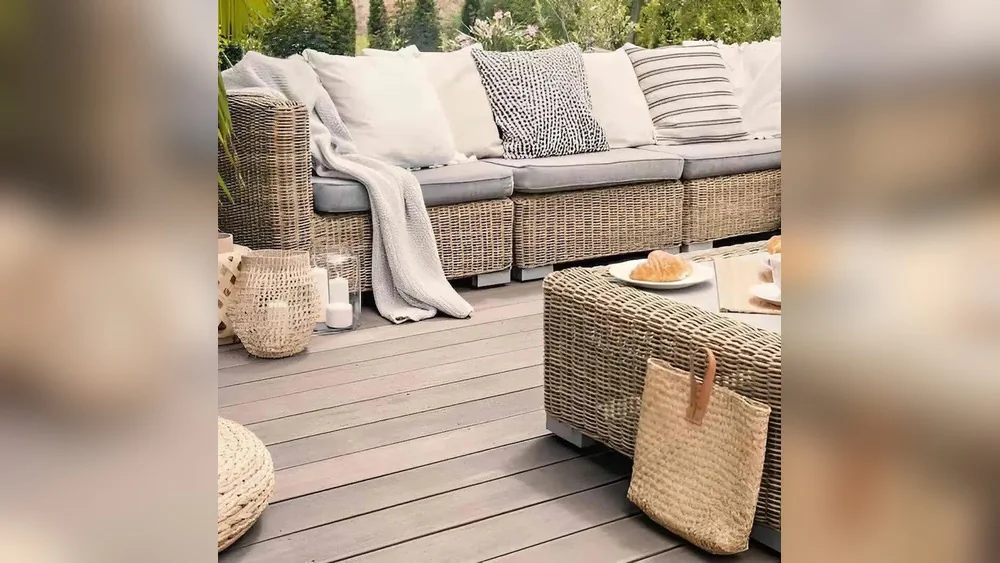
Enjoying your outdoor furniture brings fresh air and relaxation, but keeping it looking good takes effort. Sun, rain, dust, and even insects can wear out chairs, tables, and loungers quickly. Learning how to care for outdoor furniture helps you protect your investment and enjoy your outdoor spaces longer. Whether you have wood, metal, plastic, or fabric furniture, each material needs the right maintenance. This guide covers practical ways to clean, protect, and repair your outdoor furniture, with clear steps and expert advice you can trust.
Understanding Outdoor Furniture Materials
Different materials react differently to weather, sunlight, and moisture. Knowing what your furniture is made of helps you choose the best cleaning and protection methods.
Common Materials And Their Features
| Material | Weather Resistance | Maintenance Level |
|---|---|---|
| Wood (Teak, Cedar) | Good (Teak), Moderate (Cedar) | Medium to High |
| Metal (Aluminum, Steel, Iron) | Excellent (Aluminum), Moderate (Steel/Iron) | Medium |
| Plastic/Resin | Very Good | Low |
| Wicker/Rattan | Low (Natural), High (Synthetic) | Medium |
| Fabrics (Outdoor Cushions) | Varies | High |
Wood like teak is naturally resistant to water, but may fade or crack without care. Metal can rust, especially iron, but aluminum resists corrosion. Plastic is easy to clean but can become brittle in sunlight. Wicker looks stylish but needs protection from rain. Outdoor fabrics are comfortable but collect dirt and mildew.
Why Material Matters
Some beginners forget that even “weatherproof” furniture needs care. For example, teak lasts decades, but only if you clean and seal it regularly. Synthetic wicker is much easier to maintain than natural, but both should be checked for mold and cracks.
Cleaning Outdoor Furniture
Regular cleaning keeps furniture fresh and prevents stains and damage. Most outdoor furniture should be cleaned at least once a month, or after heavy use.
Cleaning Wood Furniture
- Use a soft brush or cloth to remove dust and debris.
- Mix mild soap with water. Avoid harsh chemicals—they can damage the wood.
- Gently scrub, then rinse with clean water.
- Dry with a towel to prevent water spots.
Pro Tip: Once a year, sand rough spots and apply a wood sealant to protect from moisture and UV rays.
Cleaning Metal Furniture
- Remove loose dirt with a damp cloth.
- For tougher stains, use a mix of dish soap and warm water.
- Rinse and dry well to avoid rust.
If you see rust, sand the spot and touch up with rust-resistant paint.
Cleaning Plastic And Resin Furniture
- Hose off dirt and dust.
- Use mild soap and water for stains.
- Avoid abrasive cleaners—they scratch the surface.
Plastic furniture sometimes fades in sunlight. Use a UV-protectant spray for extra protection.
Cleaning Wicker And Rattan
- Vacuum or brush off dust.
- Wipe with a damp cloth and mild soap.
- Dry thoroughly; moisture causes mold.
Synthetic wicker is more durable. Still, avoid soaking it.
Cleaning Outdoor Fabrics
Outdoor cushions and umbrellas need special care:
- Remove covers if possible and wash according to instructions.
- For spot cleaning, use a mix of water and mild detergent.
- Air dry completely before using again.
Non-obvious insight: Even water-resistant fabrics can grow mold if left damp for days.
Protecting Outdoor Furniture
Cleaning is only part of care. Protecting your furniture from weather, sun, and pests is just as important.
Using Covers
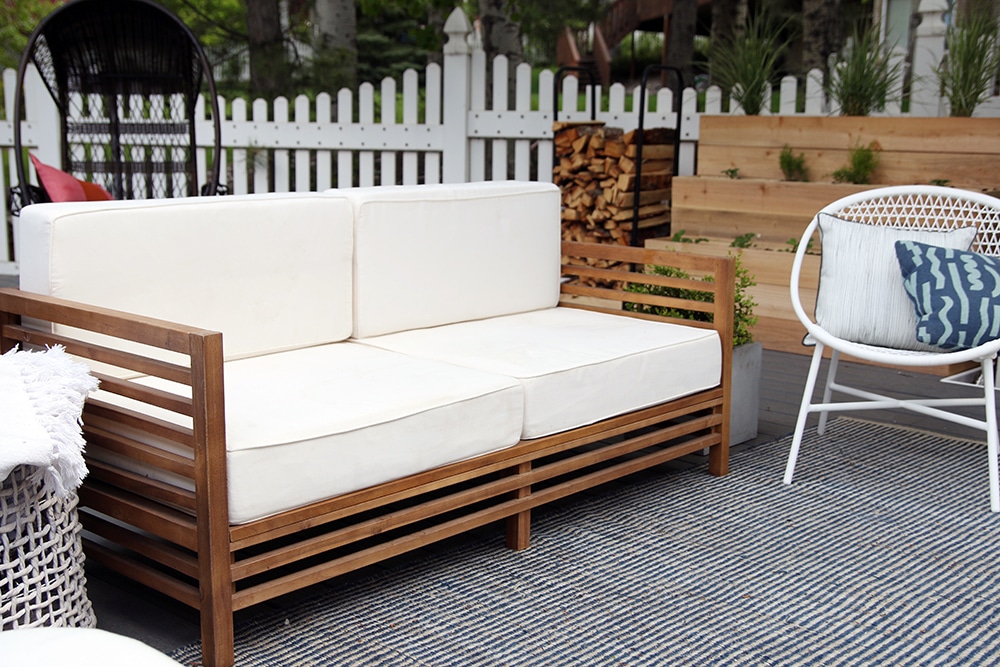
Invest in waterproof covers for all your outdoor furniture. Covers keep rain, dust, and sun off, reducing wear.
- Cover furniture when not in use, especially during rain or winter.
- Choose covers that fit well and allow air circulation.
Moving Furniture
If possible, move furniture to a covered area during extreme weather—like storms or winter. It prevents rust, mold, and fading.
Applying Protective Treatments
Wood: Use sealants, oils, or stains to block moisture and UV rays. Reapply every 1-2 years.
Metal: Spray with a rust-preventing coating.
Plastic/Resin: Use UV-protectant sprays.
Fabrics: Treat with fabric protectors to resist stains and water.
Sun Protection
Direct sunlight can fade colors and weaken materials. Position furniture in shaded spots, or use umbrellas and canopies.
Data point: UV rays are strongest from 10 AM to 4 PM. This is when most fading occurs.
Pest Prevention
Insects like termites, ants, and spiders can damage wood and fabric. Check furniture regularly, and use pest control where needed.
Repairing Outdoor Furniture
Small problems can become big if ignored. Repairing damage quickly saves money and keeps furniture safe to use.
Wood Repairs
- Fill cracks with wood filler.
- Sand and refinish rough spots.
- Replace broken slats or legs.
Metal Repairs
- Remove rust with a wire brush.
- Paint over scratches with rust-resistant paint.
- Tighten bolts and screws.
Plastic/resin Repairs
- For cracks, use epoxy glue.
- Avoid over-tightening screws—they can crack plastic.
Wicker/rattan Repairs
- Fix loose or broken strands with glue.
- Replace damaged sections if possible.
Fabric Repairs
- Patch tears with fabric repair kits.
- Replace faded or torn covers.
Non-obvious insight: Many outdoor furniture makers sell spare parts. Check the brand before replacing the whole item.
Seasonal Care Tips
Each season brings different challenges. Planning ahead helps your furniture last longer.
Spring
- Deep clean all items after winter.
- Inspect for damage and repair as needed.
- Reapply protective treatments.
Summer
- Protect from sun with umbrellas and covers.
- Clean more often—dust and pollen are common.
Fall
- Remove leaves and debris regularly.
- Prepare to store or cover furniture.
Winter
- Store in a dry, sheltered place if possible.
- Cover securely to prevent snow and moisture damage.
| Season | Action | Reason |
|---|---|---|
| Spring | Deep Clean, Inspect | Remove winter dirt, check for damage |
| Summer | Sun Protection, Frequent Cleaning | Prevent fading and dirt buildup |
| Fall | Debris Removal, Storage Prep | Keep furniture clear, get ready for winter |
| Winter | Store or Cover | Protect from snow, moisture, freezing |
Mistakes To Avoid
Even careful owners make common mistakes. Here’s what to watch out for:
- Using harsh cleaners: Bleach, ammonia, and strong chemicals can ruin finishes and fabrics.
- Leaving furniture uncovered: Sun, rain, and snow quickly damage exposed pieces.
- Ignoring small repairs: Cracks and rust spread fast if not fixed.
- Forgetting to dry after cleaning: Moisture causes mold and rust.
- Not checking manufacturer care instructions: Each brand may have special requirements.
Experience-based tip: People often skip maintenance in winter, but cold and wet weather do more damage than summer sun. Plan ahead.
Choosing The Right Outdoor Furniture For Easy Care
If you’re shopping for new outdoor furniture, consider how much maintenance you want to do.
Material Comparison
| Material | Care Difficulty | Ideal For |
|---|---|---|
| Teak Wood | Medium | Long-term use, classic look |
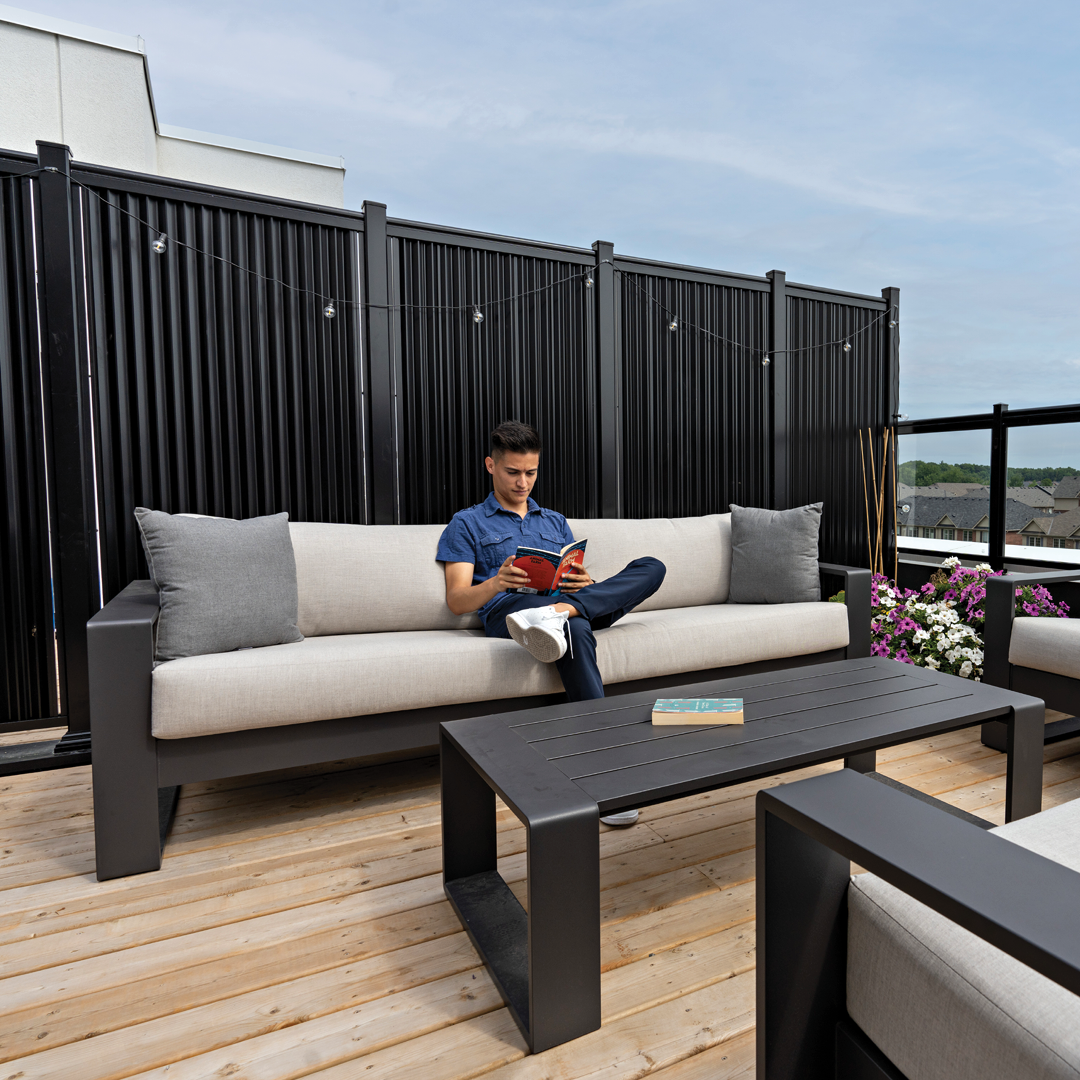
| Aluminum | Low | Easy care, modern style |
| Synthetic Wicker | Low | Outdoor lounges, patios |
| Plastic/Resin | Low | Budget, easy storage |
| Steel/Iron | Medium | Traditional style, heavy duty |
Aluminum and synthetic wicker need less care than wood or iron. Choose cushions with removable, washable covers for easier cleaning.
Storage Solutions For Outdoor Furniture
Storing your furniture properly during off-seasons is crucial. Even weatherproof items last longer when protected.
Outdoor Storage Tips
- Use sheds, garages, or covered patios for storage.
- Stack chairs to save space, but avoid heavy stacking—can damage weaker items.
- Clean and dry furniture before storing.
- Store cushions indoors to prevent moisture damage.
Stat: According to the Furniture Industry Research Association, proper storage can increase the lifespan of outdoor furniture by 30–50%.
Eco-friendly Outdoor Furniture Care
More people now choose eco-friendly cleaning products and care methods. They protect your furniture and the environment.
- Use biodegradable soaps and cleaners.
- Avoid toxic sprays and treatments.
- Recycle old furniture instead of throwing it away.
For more tips on eco-friendly outdoor care, see EPA Greener Products.
Frequently Asked Questions
How Often Should I Clean My Outdoor Furniture?
Clean your outdoor furniture at least once a month. If you use it daily or live in a dusty area, clean it more often. After heavy rain or storms, check and clean again.
What’s The Best Way To Protect Wooden Outdoor Furniture?
Use a high-quality wood sealant or oil to protect against moisture and UV rays. Cover the furniture when not in use, and store it indoors during winter if possible.
Can I Leave Outdoor Furniture Outside All Year?
It depends on the material. Aluminum and synthetic wicker can stay outside, but wood, iron, and fabrics last longer if stored or covered in bad weather.
How Do I Remove Mold From Outdoor Cushions?
Mix water and mild soap, scrub the moldy area, and rinse. Let cushions dry completely in the sun. For tough mold, use a solution of water and white vinegar.
Is It Safe To Use Bleach On Outdoor Furniture?
Avoid bleach unless the manufacturer recommends it. Bleach can damage finishes and fabrics. Use mild soap and water for most cleaning jobs.
Caring for outdoor furniture is simple once you know the right steps. Regular cleaning, smart protection, and quick repairs keep your furniture looking great for years. Choose the best materials for your needs, and don’t forget to check care instructions.
With a little effort, your outdoor space will stay beautiful and comfortable season after season.
:max_bytes(150000):strip_icc()/outdoor-furniture-care-guide-3-0822-2000-c7ed539a877d4b9a823a134e009f0906.jpg)