Choosing the best furniture color for bedroom is one of the most impactful decisions you can make when designing a personal sanctuary. Your bedroom furniture—including the bed frame, nightstands, dresser, wardrobe, and accent pieces—sets the tone for relaxation, influences how light moves through the space, and affects your mood every single day. With 2026 trends leaning toward earthy, grounding tones alongside timeless neutrals, the right color choice can transform an ordinary room into a serene retreat that promotes better sleep and daily calm.
In this comprehensive guide, we’ll explore color psychology, current trends, practical considerations for different room sizes and lighting, and detailed recommendations for popular furniture colors. We’ll dive deep into why certain hues work better than others, how to pair them with walls and bedding, and real-world styling tips. By the end, you’ll have everything you need to select furniture that not only looks beautiful but also supports your well-being.
Why Furniture Color Matters More Than You Think
Furniture occupies a large visual footprint in any bedroom. Unlike paint, which covers walls, furniture pieces are three-dimensional and interact constantly with your line of sight—especially when lying in bed. The color you choose influences perceived space, warmth, and emotional response.
Color psychology plays a central role here. Cool tones like soft grays and muted blues tend to lower heart rate and promote tranquility, making them ideal for rest. Warm neutrals such as beige, taupe, and light oak evoke comfort and coziness without overwhelming the senses. Darker shades like espresso or black add drama and sophistication, but can make small rooms feel enclosed if not balanced properly.
Studies and design experts consistently highlight that bedrooms benefit from low-stimulation palettes. Blues and greens are frequently cited as top sleep-promoting colors, while overly bright or high-contrast schemes can disrupt rest. Furniture color amplifies these effects because it’s the element you touch and see up close daily.
Beyond psychology, practical factors matter:
- Light reflection: Lighter furniture bounces light around, making rooms feel airier.
- Maintenance: White or very light pieces show dust and marks more easily, while mid-tones hide wear better.
- Timelessness vs. trend: Neutral wood tones and soft grays remain versatile across decades, while bold choices like deep black require confident styling.
In 2026, designers are moving away from stark “sad beige” minimalism toward warmer, muddier neutrals and earthy tones that feel collected and lived-in. Mixed wood tones are especially popular, allowing light oak alongside richer walnut for depth without matching everything perfectly.
Best Furniture Color for Bedroom in 2026 and Why They Work
1. Light Oak and Natural Wood Tones – The Grounding Favorite
Light to medium oak, with its warm golden undertones, ranks among the most recommended furniture colors for bedrooms. It brings natural warmth and biophilic appeal, connecting the space to the outdoors in a subtle way. Oak furniture feels inviting yet modern, pairing beautifully with both neutral and softly colored walls.
Why it excels:
- Enhances a sense of calm and optimism.
- Works in almost any lighting condition.
- Mixes well with other woods or painted pieces for layered interest.
- Visually expands smaller rooms when paired with white or light walls.
Styling tips: Pair light oak with soft green or taupe bedding for a fresh, nature-inspired look. Add textured linens and woven rugs to amplify the organic feel. In larger master suites, combine oak with darker accent woods for contrast.

This image showcases a serene modern bedroom featuring warm light wood tones on the bed and nightstands, creating an airy yet grounded atmosphere perfect for relaxation.
For a 2026 update, consider oak pieces with subtle distressing or mixed grain patterns. These add character without feeling rustic in a negative way.
2. White and Off-White Furniture – Timeless Serenity
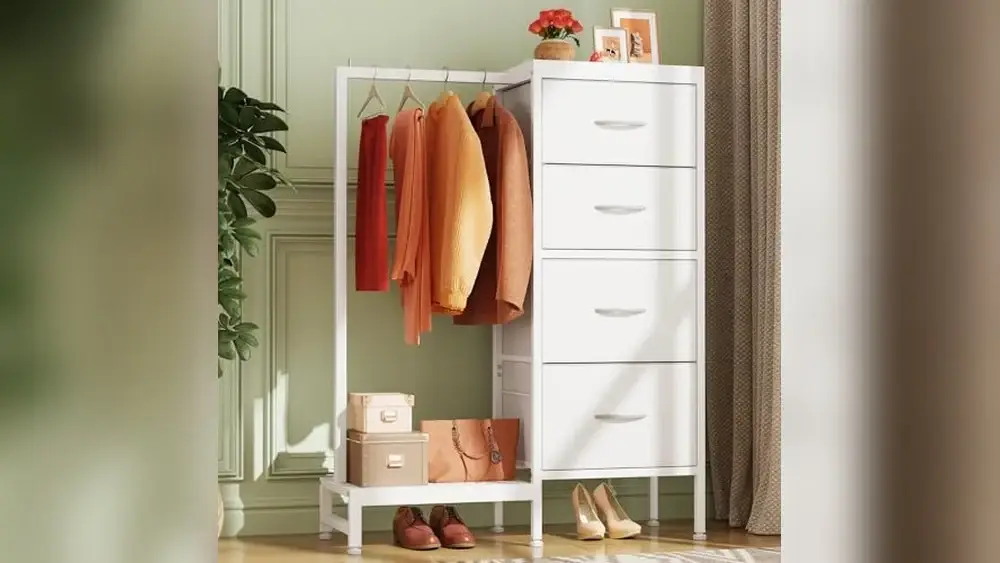
White furniture remains a top choice for bedrooms seeking maximum brightness and versatility. Crisp white or creamy off-white sets create a clean, hotel-like calm that never goes out of style. In 2026, white holds a strong market preference because it serves as a neutral canvas for layering textures and seasonal accents.
Advantages:
- Reflects light beautifully, ideal for north-facing or small bedrooms.
- Makes the room feel larger and more open.
- Easy to coordinate with any wall color or bedding.
Potential drawbacks: It requires more upkeep to stay looking fresh. Opt for matte or slightly textured finishes to minimize visible fingerprints.
Design ideas: Combine white furniture with natural wood accents or soft gray walls for balance. Layer in beige throws and greenery for warmth. This combination prevents the space from feeling sterile.
:max_bytes(150000):strip_icc()/DesignbyEmilyHendersonDesignPhotographerbyTessaNeustadt_214-e1dc38efc3ae4343bbd60ce213fc7a6a.jpg)
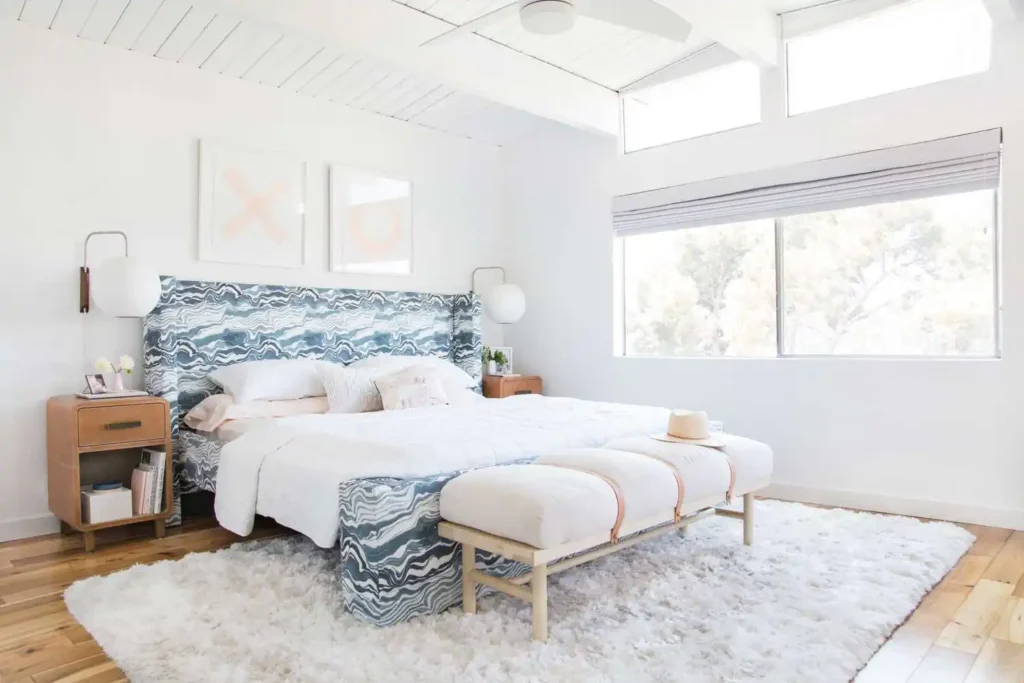
Here’s an elegant white bedroom with a bold patterned headboard that keeps the space interesting while maintaining an overall soothing white furniture base.
White also shines in minimalist or Scandinavian-inspired rooms, where simplicity enhances restfulness.
3. Dark Wood (Walnut, Espresso, or Mahogany) – Moody Luxury
For those craving depth and sophistication, dark wood furniture delivers a cocooning effect. Rich walnut or espresso tones create intimacy and visual weight, making the bedroom feel like a luxurious retreat. In 2026, darker finishes are gaining traction alongside earthy palettes, especially in color-drenched schemes.
Benefits:
- Adds drama and anchors the room.
- Hides dust and daily wear effectively.
- Pairs dramatically with light bedding or metallic accents for contrast.
Use caution in small bedrooms—dark furniture can shrink the perceived space unless balanced with plenty of white walls, mirrors, or sheer curtains. In spacious rooms, it creates a high-end, enveloping mood.
Styling suggestion: Contrast dark wood with crisp white linens and soft lighting. Add gold or brass hardware for warmth. This look works exceptionally well with deep wall colors like smoky green or terracotta.

This moody dark bedroom features rich wood tones and black elements, demonstrating how darker furniture can create a sophisticated, restful sanctuary when properly lit.
4. Black Furniture – Bold and Modern Edge
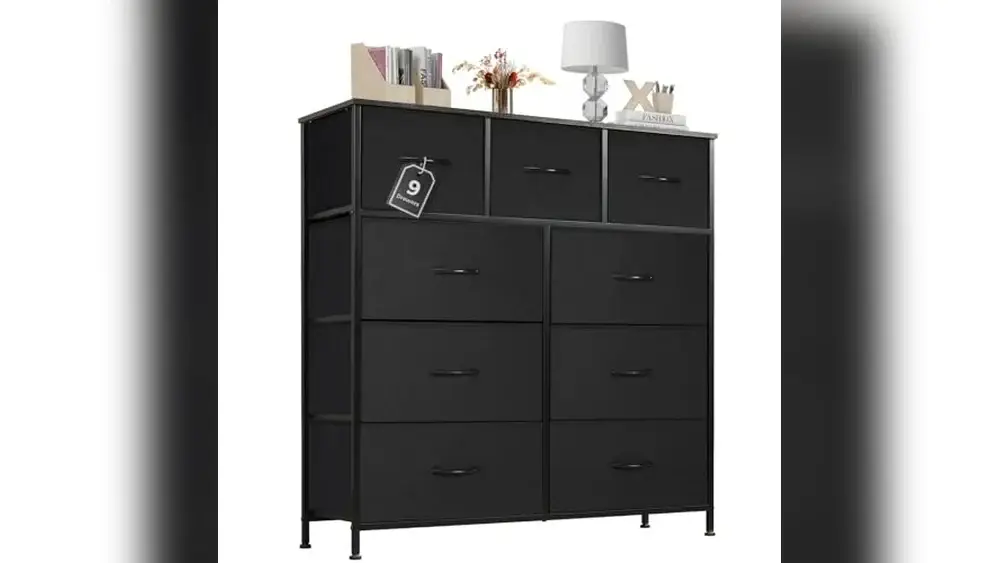
Black bedroom furniture offers sleek modernity and a sense of quiet drama. Matte black or slightly textured black pieces feel contemporary and luxurious, especially when paired with neutral walls. While not the “calmest” choice psychologically, black can promote focus and elegance when used thoughtfully.
When it works best:
- In larger bedrooms with good natural light.
- As accent pieces rather than an entire set.
- With plenty of soft textures (velvet, linen, wool) to soften the intensity.
Avoid all-black schemes in tiny rooms, as they can feel oppressive. Instead, use a black bed frame with lighter nightstands or dressers.
2026 twist: Combine black with warm woods or soft pink neutrals for a balanced, grown-up aesthetic.
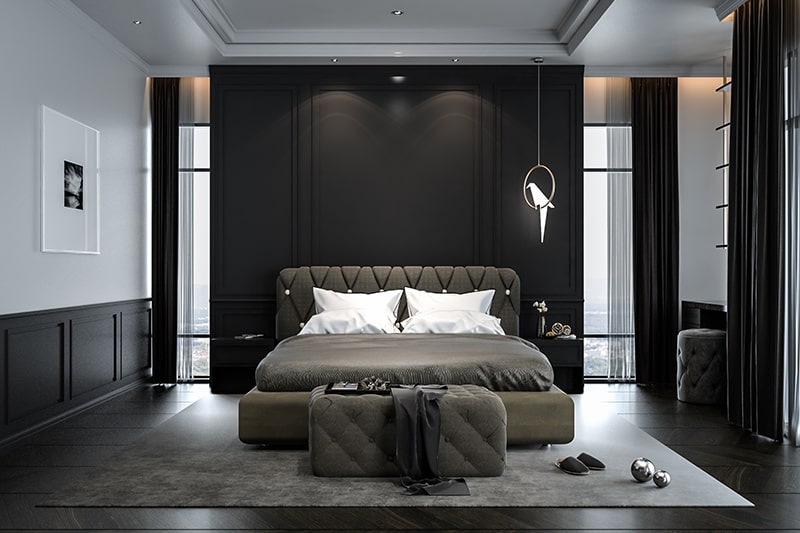
A striking black bedroom with a tufted headboard and dark walls shows how black furniture creates bold elegance without sacrificing comfort when balanced correctly.
5. Soft Gray and Taupe – Quiet Luxury Neutrals
Soft stone gray or warm taupe furniture has surged in popularity as the new “quiet luxury” neutral. These mid-tones offer sophistication without the starkness of pure white or the heaviness of black. Gray furniture feels modern and versatile, while taupe adds subtle warmth.
Psychology and practicality:
- Gray promotes neutrality and calm.
- Taupe feels earthy and grounding, aligning with 2026’s shift toward warmer neutrals.
- Both hide imperfections better than white and reflect light moderately.
Great for almost any room size. In small bedrooms, light gray expands the space; in large ones, deeper taupe adds coziness.
Pairing ideas: Light gray furniture with white bedding and green plants. Taupe with cream and terracotta accents for an earthy vibe.
This soft gray upholstered bed and neutral palette illustrate how mid-tone furniture creates a chic, serene retreat.
6. Beige and Cream – Warm, Cocooning Comfort
Beige, cream, and camel-toned furniture bring inherent warmth that makes bedrooms feel instantly inviting. These colors lean into the 2026 trend of pink-toned or earthy neutrals, replacing cooler grays for many homeowners seeking coziness.
Strengths:
- Create optimistic, comforting environments.
- Work beautifully with natural light.
- Pair seamlessly with wood floors and textured fabrics.
Ideal for master bedrooms where you want a nurturing feel. Combine with white or soft green walls to prevent monotony.

A warm beige bedroom with soft lighting and layered textiles demonstrates the cozy appeal of light neutral furniture tones.
Comparing Colors: Quick Decision Guide
- Best Furniture Color for Bedroom: Light oak, white, or soft gray – these maximize light and space.
- Best for large master suites: Dark wood, black accents, or deep taupe – they add needed weight and intimacy.
- Best for low natural light: White or light oak to bounce illumination.
- Best for high natural light: Darker woods or black to prevent washout.
- Most versatile overall: Light to medium natural wood tones – they adapt to changing trends and personal style shifts.
How to Choose Based on Your Lifestyle and Room
Consider your daily routine. If you work from bed or need focus, softer grays or woods help maintain calm. For romance or luxury, darker tones or black create intimacy.
Room orientation matters too. South-facing rooms with warm light suit cooler furniture colors (gray, white). North-facing spaces benefit from warmer woods or beige to counteract the hill.
Budget and maintenance factors in as well. Painted furniture (white, gray) may need touch-ups, while solid wood (oak, walnut) ages gracefully with proper care.
Test colors in your actual space. Order fabric swatches or small samples and view them at different times of day. Lighting dramatically changes perception—incandescent warmth versus cool LED can shift beige from golden to muddy.
Pairing Furniture with Walls, Bedding, and Accents
The best furniture color doesn’t exist in isolation. Harmonize it with the full scheme:
- Light oak + soft sage green walls + cream bedding: Fresh and biophilic.
- White furniture + warm taupe walls + layered neutrals: Hotel-inspired calm.
- Dark walnut + deep blue-gray walls + white linens: Sophisticated cocoon.
- Black bed + light gray walls + metallic accents: Modern drama.
- Beige set + terracotta accents + natural textures: Earthy 2026 vibe.
Incorporate mixed materials—wood with upholstered pieces, matte with subtle sheen—for visual interest. Textiles like linen throws, wool rugs, and velvet pillows soften any color choice.
Lighting is crucial: Warm bulbs (2700K) enhance wood and beige tones, while layered sources (overhead + bedside lamps) prevent harsh shadows.
Common Mistakes to Avoid
- Choosing pure white in a high-traffic family bedroom without planning for cleaning.
- Going all-dark in a tiny room without sufficient contrast.
- Ignoring undertones—some “gray” furniture has blue or green casts that clash with walls.
- Matching everything perfectly, slight variations in wood tone add depth.
- Forgetting scale—oversized dark pieces can overwhelm.
Final Recommendations for 2026
If you want one universally flattering choice, go with light to medium oak or natural wood tones. They align with current earthy trends, promote calm through biophilic connection, and offer excellent longevity. White remains a close second for brightness and versatility, especially in smaller or modern spaces.
For bolder personalities, dark walnut or black furniture creates stunning results when balanced with light elements.
Ultimately, the “best” furniture color is the one that makes you feel most relaxed the moment you enter the room. Trust your instincts after considering the practical and psychological factors outlined here.