
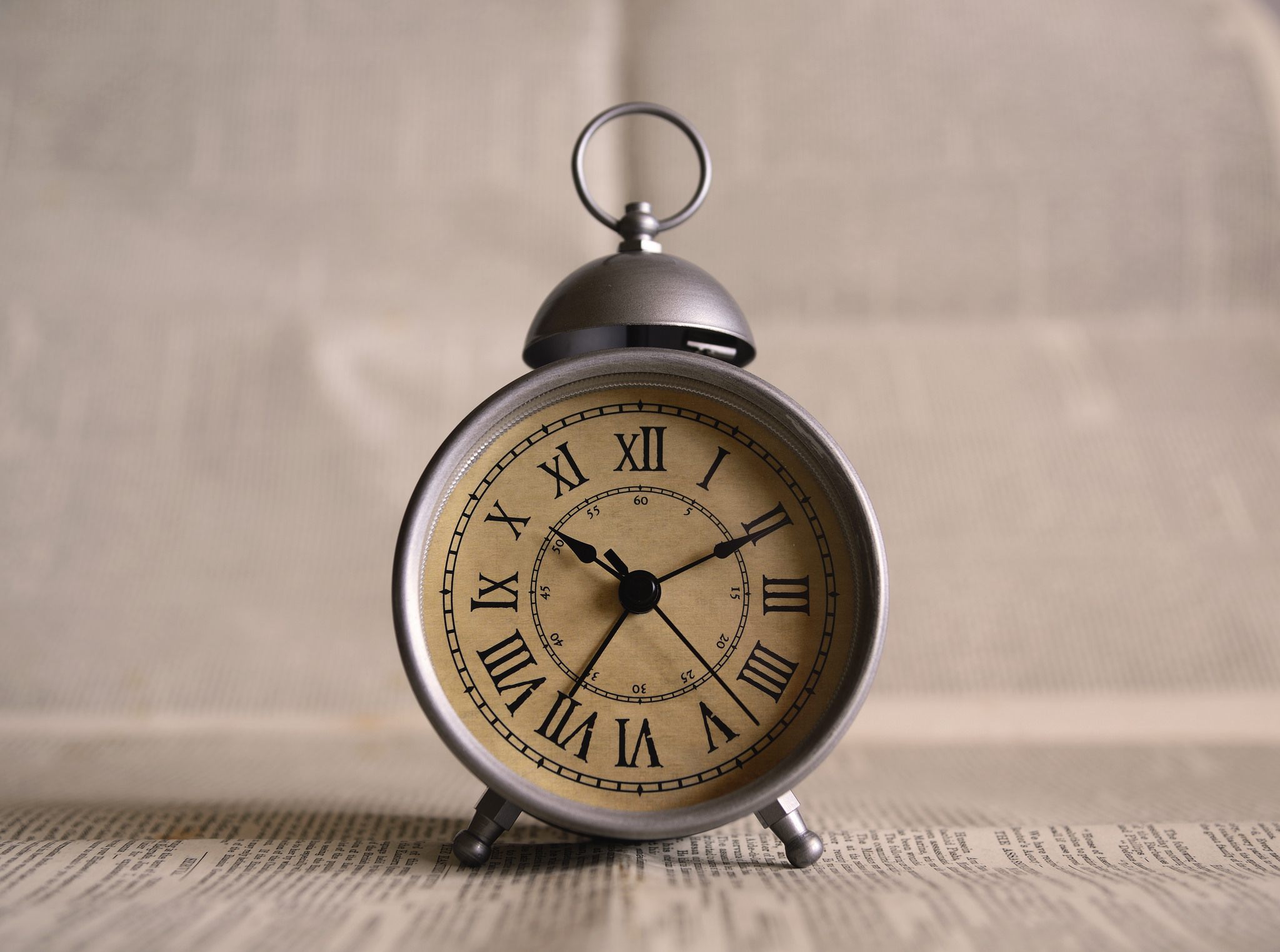
The alarm clock is a tool that almost everyone uses. It wakes us up, keeps us on schedule, and helps us manage our time. But have you ever wondered who invented the alarm clock? The answer is not as simple as it seems.
The history of the alarm clock stretches back thousands of years, with many creative minds playing a part. This article explores the origins, evolution, and key moments that shaped the alarm clock we know today.
Early Beginnings: Ancient Alarm Systems
Long before the modern clock, people found ways to wake themselves up. In ancient Greece, water clocks were used. These devices measured time by the flow of water. Some water clocks included a mechanism to trigger a sound at a set time. For example, the Greek philosopher Plato reportedly had a water clock that made noise to signal the start of lectures.
In ancient China, incense clocks burned for a set number of hours. When the incense finished burning, bells or gongs would ring. These early inventions were not alarm clocks in the way we know today, but they served a similar purpose: marking time and alerting people.
The First Mechanical Alarm Clocks
The idea of a clock with an alarm function began to take shape in the Middle Ages. In the 14th century, monastery clocks were designed to ring bells for prayer times. These were large, not personal devices, and often required manual operation.
The first known personal mechanical alarm clock was invented in Germany in the 15th century. These early clocks allowed users to set a time for the bell to ring. They were expensive and rare, mostly owned by wealthy people.
Who Was The Inventor?
Many sources credit Levi Hutchins of Concord, New Hampshire as the inventor of the American alarm clock. In 1787, Hutchins created a clock that rang a bell at 4 a.m. every day. However, his device could not be set to different times—it only rang at 4 a.m. Hutchins was motivated by his need to wake up early for work.
The first adjustable alarm clock, where users could set the alarm for any time, was patented by Seth E. Thomas in 1876. Thomas was an American clockmaker whose company, Seth Thomas Clock Company, became famous for its timekeeping devices. His design allowed people to set the alarm for their own needs, making it practical for everyday use.

Alarm Clock Evolution: From Wind-up To Digital
Alarm clocks have changed a lot over the years. Here is a comparison of key types:
| Type | Year Introduced | Main Features |
|---|---|---|
| Mechanical (Wind-up) | Late 19th century | Manual setting, ringing bell, no snooze |
| Electric | 1930s | Plug-in, louder ring, easier to set |
| Digital | 1970s | LED display, snooze function, radio |
| Smartphone | 2000s | Custom alarms, vibration, music |
Each step brought new features, making alarm clocks more reliable and user-friendly.
The Impact Of Alarm Clocks On Society
Alarm clocks changed the way people live. Before alarm clocks, most people woke up with the sun or depended on others. With alarm clocks, people could control their own schedules. This was especially important during the Industrial Revolution, when factory workers needed to arrive on time.
Studies show that over 85% of Americans use some form of alarm clock. The rise of digital devices means many people now use their smartphones as their main alarm. This shift has made traditional alarm clocks less common, but they are still used in many homes.
Alarm Clock Vs. Smartphone Alarm
Let’s look at some differences between traditional alarm clocks and smartphone alarms:
| Feature | Alarm Clock | Smartphone Alarm |
|---|---|---|
| Reliability | High (no battery worries) | Can fail if battery dies |
| Ease of Use | Simple buttons | Touchscreen, app-based |
| Customization | Limited | Highly customizable |
| Sound Options | Buzzer, bell | Music, tones, vibration |
Traditional alarm clocks are often more reliable, but smartphones offer more flexibility.

Two Insights Most People Miss
- Alarm clocks were not invented by one person. Many inventors contributed over centuries. The device evolved slowly, shaped by cultural needs and technology. People often think Levi Hutchins or Seth Thomas alone invented the alarm clock, but their contributions were just milestones in a long history.
- The alarm function came before the clock. Ancient devices like water and incense clocks had alarms before mechanical clocks existed. The need to wake up on time drove innovation, even before accurate timekeeping was possible.
Practical Tips For Choosing An Alarm Clock
If you want to buy an alarm clock, consider these points:
- Reliability: Choose a model with backup power in case of outages.
- Sound options: Make sure the alarm is loud enough, or can use music if you prefer.
- Ease of use: Simple controls are best for quick setting.
- Snooze function: Decide if you need it; some people find it helps, others think it leads to oversleeping.
- Display: Go for a clear, easy-to-read screen, especially if you wake up at night.
Avoid buying cheap, untested brands. Many fail after a few months or have weak alarms. Always check reviews and look for well-known makers.
Frequently Asked Questions
Who Is Credited With Inventing The First Alarm Clock?
Levi Hutchins built the first American alarm clock in 1787, but it could only ring at 4 a.m. The first adjustable alarm clock was patented by Seth E. Thomas in 1876.
How Did Ancient Alarm Clocks Work?
Early alarm systems used water clocks and incense clocks. These devices made noise or rang bells after a set time, helping people wake up or mark events.
What Is The Most Reliable Alarm Clock Today?
Many experts recommend mechanical or battery-powered clocks for reliability. Smartphone alarms are flexible but can fail if the battery dies or the phone crashes.
Why Did Alarm Clocks Become Popular During The Industrial Revolution?
Factory work required strict schedules. Alarm clocks helped workers wake up on time, leading to better productivity and punctuality.
Are Traditional Alarm Clocks Still Used?
Yes, though less common. Over 85% of Americans use some form of alarm, and many still prefer classic models for their simplicity and reliability.
The story of the alarm clock is a journey of innovation, need, and creativity. From ancient water clocks to the smart devices of today, many minds shaped this tool. Understanding its history helps us appreciate the simple act of waking up—and the clever inventions that make it possible. For a deeper look at timekeeping devices, you can visit Wikipedia.