Waking up at the right time can change your whole day. But have you ever thought about What Color Light is Best for Alarm Clock light affects your sleep and morning mood. Many people focus on the sound their alarm makes, but the light color is just as important. Choosing the right light color can help you wake up gently and feel more refreshed. Picking the wrong one can make you groggy or even harm your sleep over time.
Most alarm clocks now have different light color options. Some shine a strong blue, while others use gentle reds or calming yellows. It’s easy to think any color works, but science says otherwise. This article will explore which color light is best for alarm clocks, why it matters, and how you can make the best choice for your bedroom.
You’ll also learn about the science behind light and sleep, the effects of different colors, and practical tips for better mornings.
How Light Color Affects Sleep And Wake-up
Light is not just for seeing. It has a powerful effect on your body’s inner clock, called the circadian rhythm. This rhythm decides when you feel sleepy and when you feel alert. Certain colors of light can tell your body to wake up or go to sleep.
The Science Behind Light And Circadian Rhythm
Your eyes have special cells called photoreceptors. These cells react not just to brightness, but also to the color (wavelength) of light. Blue light, for example, is especially strong at telling your brain, “It’s morning, time to wake up!” That’s why sunlight, which has a lot of blue, wakes you up naturally.
But here’s a problem: if you see blue light late at night or from your alarm clock, it can confuse your brain. It might think it’s still daytime and stop making melatonin—a hormone that helps you sleep. This is why experts warn about using phones or computers before bed.
Why Alarm Clock Light Matters
Your alarm clock is often the last thing you see before sleep and the first thing you see in the morning. If the color is too harsh, it can make falling asleep harder or shock you awake. A gentle, well-chosen color can help you wake up slowly and peacefully, which is better for your heart and mind.
Common Light Colors Used In Alarm Clocks
Alarm clocks come in many colors today. Let’s break down the most common ones:
- White
- Blue
- Red
- Green
- Yellow/Amber
- Orange
- Purple/Pink
- Color-changing (RGB)
Each color affects your body differently, and some are much better than others for sleep and waking up.
White Light
White light is the default for many alarm clocks. It’s bright and makes numbers easy to see. But white light is not just one color—it usually includes blue, green, and red wavelengths. White light can be too intense at night, especially if it’s cool-toned (more blue).
Blue Light
Blue light is very common in modern electronics. It’s clear and sharp, making it easy to read the time. However, blue light is the worst for your sleep. It suppresses melatonin more than any other color. This can make falling asleep harder and lead to lower sleep quality.
Red Light
Red light is the most sleep-friendly color. It does not suppress melatonin, even at higher brightness. Many studies show red light is less likely to disturb your circadian rhythm, and some even say it helps you relax before sleep.
Green Light
Green light is less harsh than blue but still has some effect on melatonin. It’s not the best or worst choice but can be too bright for sensitive sleepers.
Yellow And Amber Light
Yellow and amber are “warm” colors. They are gentle and closer to natural sunset light. They have a mild effect on melatonin, making them a good middle ground.
Orange Light
Orange is also a warm color, similar to a soft sunset. It’s not as sleep-friendly as red, but much better than blue or white.
Purple And Pink Light
These are less common but available in some color-changing clocks. Purple often contains blue wavelengths, while pink is softer. Their effects depend on the exact mix of colors.
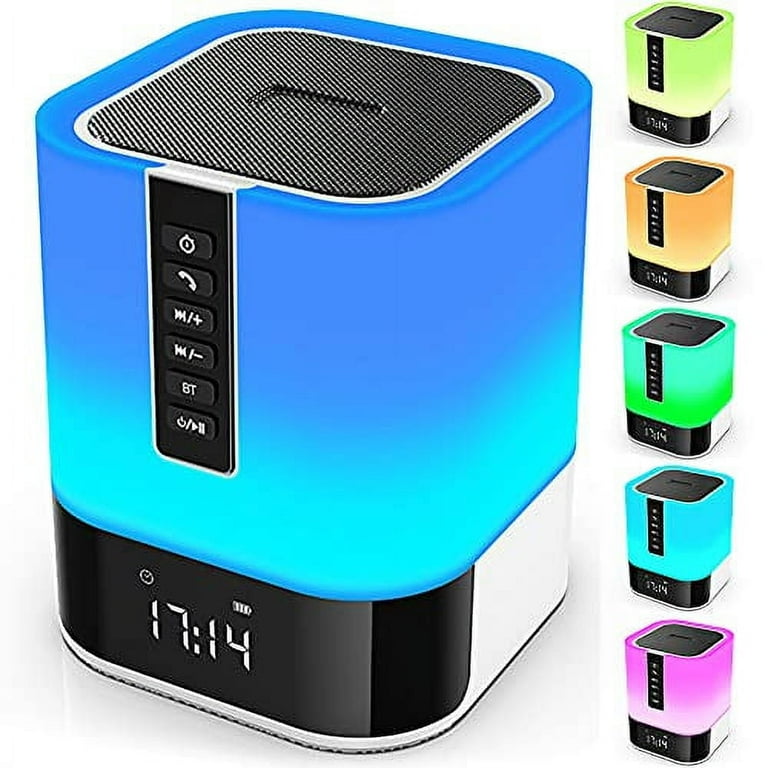
Color-changing (RGB) Clocks
Some clocks let you pick any color. While this sounds great, it’s important to choose wisely based on the science—not just your favorite color.
Comparing The Effects Of Different Light Colors
Here’s a simple comparison to show how each light color affects sleep and wake-up quality:
| Light Color | Melatonin Suppression | Wake-Up Experience | Best For |
|---|---|---|---|
| White | High (if cool/blue-toned) | Harsh, can cause grogginess | Daytime visibility |
| Blue | Very high | Sharp, can disrupt sleep | Staying awake, not for bedtime |
| Red | Low | Gentle, peaceful wake-up | Nighttime use, sensitive sleepers |
| Green | Medium | Moderate | General use |
| Yellow/Amber | Low to Medium | Warm, comfortable | Bedside clocks |
| Orange | Low to Medium | Soothing | Relaxing environment |
Key insight: Red and amber are best for alarm clocks that you keep near your bed, especially if you wake up during the night.
Why Red Light Is Often Considered Best
Many sleep experts and studies recommend red light for alarm clocks. Here’s why:
- Red light does not suppress melatonin as much as blue or white light. This means your body’s sleep cycle stays natural.
- Red light feels soft and gentle to your eyes, especially in a dark room.
- If you wake up and check the time, red light is less likely to fully wake you up.
- Red is also less likely to cause headaches or eye strain compared to bright white or blue clocks.
For example, a 2012 study in the Journal of Athletic Training found that red light exposure at night improved sleep quality and alertness the next day for female athletes. This shows red light can help you wake up refreshed without hurting your sleep during the night.
The Downsides Of Blue And White Light
Many alarm clocks use blue or white LEDs because they look modern and are easy to read. But these colors can hurt your sleep health:
- Blue light is the strongest melatonin blocker. Even small amounts can delay your sleep.
- White light with a “cool” tint often has hidden blue wavelengths.
- People who use blue or white lights at night often report trouble falling back asleep after checking the time.
A 2017 review in the journal *Chronobiology International* showed that blue light at night leads to worse sleep, more awakenings, and even increased stress.
Amber And Orange: The Good Middle Choices
If you don’t like red, amber or orange are good alternatives. They are warm, less disturbing than white or blue, and still easy to read.
Amber light is used in many “wake-up” lights that mimic the sunrise. It helps your body wake up slowly, which is healthier for your heart and stress levels. Orange is similarly gentle and is a favorite in relaxing spa environments.

Green And Other Colors: When Are They Useful?
Green light is less damaging than blue but can still affect your melatonin if it’s very bright. It’s a reasonable option if you’re not sensitive to light and want something different.
Purple and pink are not as well-studied. Purple often has blue mixed in, so it’s risky for night use. Pink, if soft, can be gentle, but not as proven as red or amber.
How To Choose The Best Color For Your Alarm Clock
Picking the right color depends on several factors:
Where Will You Place The Alarm Clock?
- On your bedside table? Go for red, amber, or orange. These won’t disturb you if you wake up at night.
- Across the room? You can use yellow or even green if you need more brightness to see the time.
- For a child’s room? Red or amber are safest, as kids are more sensitive to light.
How Sensitive Are You To Light?
Some people wake up easily from any small change in light. If that’s you, softer colors like red or amber work best. If you need a strong push to wake up, a gentle yellow or sunrise clock (which gets brighter slowly) can help.
Are You A Night Owl Or Early Bird?
- Night owls benefit from warm-colored clocks that don’t disrupt sleep late at night.
- Early birds might not need to worry as much, but still, a gentle color can help you wake up calmly.
Do You Have Trouble Falling Back Asleep?
If you wake up in the middle of the night, the wrong color can make it hard to return to sleep. Red light is least likely to fully wake your brain.
Do You Want A Multi-purpose Clock?
Some clocks offer both a gentle nighttime color (like red) and a brighter daytime color (like yellow or white). If you use your clock for reading or as a nightlight, pick one with adjustable colors.
Sunrise Alarm Clocks: Mimicking Nature
Sunrise alarm clocks use a mix of colors—usually starting with red or orange, then moving to yellow or white as the “sun rises.” This approach is very close to nature and helps your body wake up naturally. Instead of a sudden beep, you get slowly increasing light, which is less stressful.
Studies show people who use sunrise clocks feel more awake and less stressed in the morning. These clocks are also good for people with Seasonal Affective Disorder (SAD) or those who wake up before sunrise in winter.
Real-world Data: What Do Sleep Studies Say?
Let’s look at some key research findings:
| Study | Light Color Tested | Main Finding |
|---|---|---|
| Journal of Athletic Training (2012) | Red | Improved sleep quality, better morning alertness |
| Chronobiology International (2017) | Blue | More sleep disruption, higher stress |
| Sleep Health (2018) | Amber | Less melatonin suppression than blue or white |
| Sleep Medicine Reviews (2020) | White/Blue vs Red | Red light caused least sleep disturbance |
Non-obvious insight: Even low-brightness blue light can hurt your sleep, while a brighter red light is usually safe.
Other Factors To Consider
Choosing the right color is important, but not the only thing to think about. Here are some other points:
Adjustable Brightness
Many modern alarm clocks let you dim the light. Even the best color can be too bright if you can’t adjust it. Look for a clock with several brightness settings.
Display Type (led Vs. Lcd)
- LED displays are usually brighter and can have more color options.
- LCD displays are softer but may have fewer choices.
If you want a true red display, LED is usually better.
Glare And Light Spread
Some clocks focus the light, while others spread it out. A focused beam is less likely to light up your whole room and disturb sleep.
Power Source
Battery-powered clocks may be less bright, but this can be a good thing for sleep. Plug-in clocks are often brighter and offer more features.
Extra Features
Some clocks have built-in sound machines, radio, or even smartphone charging. Make sure extra features don’t include extra bright lights you can’t turn off.
Recommendations For Different People
Let’s match the best color to different types of users:
- Light sleepers: Go for red or amber. Avoid blue or white.
- Heavy sleepers: Try a sunrise clock with adjustable brightness. Start with red and move to yellow or white as needed.
- Children: Use red or amber. These colors are gentle and won’t scare or wake them fully at night.
- People with insomnia: Strictly avoid blue and white. Use red and keep brightness low.
- Elderly: Eyes get more sensitive with age. Use red or amber, and choose a clock with large, clear numbers.
- Shift workers: Use a clock with multiple color options. Stick to red or amber during sleep periods, even if it’s daytime outside.
Advanced tip: If your clock doesn’t have a red option, try placing a red cellophane sheet over the display. This filters out blue and green light.
Top Mistakes To Avoid When Choosing Alarm Clock Light
Many people make simple mistakes that ruin their sleep. Here’s what to watch out for:
- Choosing based on looks, not science. A stylish blue clock may look nice, but it can harm your sleep.
- Leaving the display on full brightness all night. Even red light should be dimmed as much as possible.
- Ignoring light sensitivity. If you wake up tired, try changing the color—even if you don’t notice the light at night.
- Using multi-color “party” clocks. Constantly changing colors can confuse your brain and make sleep worse.
- Not reading the manual. Many clocks have hidden brightness or color settings you never use.
Practical Tips For Using Alarm Clock Light Wisely
- Keep your clock out of your direct line of sight. Place it to the side or turn it slightly away.
- Use night mode or “dim” settings whenever possible.
- If you must check the time at night, do it quickly and avoid staring at the display.
- For clocks that don’t dim enough, cover part of the display with tape or a filter.
- Adjust your settings for seasons. In winter, you may want a brighter wake-up. In summer, dimmer is better.
Non-obvious insight: Some people become used to their clock’s light and don’t notice sleep problems. If you wake up tired, try changing the color for a week and see how you feel.

The Future Of Alarm Clock Light
Technology is improving. Some new clocks use smart sensors to adjust color and brightness based on room light. Others connect to your phone to track your sleep and suggest the best settings.
More people are learning about the dangers of blue light at night. This is why major phone and computer companies now include “night mode” or “blue light filter” features. Expect alarm clocks to follow this trend, offering more red and amber options.
You can read more about the science of light and sleep from this trusted source.
Frequently Asked Questions
What Is The Healthiest Light Color For An Alarm Clock?
Red light is the healthiest for most people. It does not suppress melatonin, is gentle on your eyes, and won’t fully wake you if you check the time at night. Amber and orange are also good choices.
Is Blue Light From My Alarm Clock Really That Bad?
Yes, blue light is the strongest at blocking your sleep hormone, melatonin. Even small amounts can make it harder to fall asleep or get good rest. It’s best to avoid blue light from any device you use at night.
Can I Use A White Light Alarm Clock If I Dim The Brightness?
Dimmed white light is better than bright, but it can still have blue wavelengths. If you must use white, keep it as dim as possible and turn it away from your face. Red or amber is a safer choice for sleep health.
Are Sunrise Alarm Clocks Better Than Normal Clocks?
Sunrise alarm clocks are a great choice. They use soft red or orange light at first, then slowly get brighter and whiter. This gentle increase helps you wake up naturally, without stress or a sudden jolt.
What Should I Do If My Alarm Clock Doesn’t Have Color Options?
If your clock only has blue or white light, try covering the display with a red filter sheet or tape. You can also move the clock farther away, or buy a model with adjustable color and brightness.
—
Choosing the best color light for your alarm clock is not just about style—it’s about your health, mood, and how well you sleep and wake up. Red, amber, and orange stand out as the best choices, especially for sensitive sleepers and children. Avoid blue and cool white lights whenever possible. Use adjustable brightness, consider your sleeping habits, and don’t be afraid to try new settings if you’re not sleeping well. The right light color can make every morning brighter and every night more restful.