Indoor Plants 2026: The Ultimate Guide to the Best Planters for Indoor Plants to Turn Your Space into a Lush Urban Jungle
In the fast-paced world we live in, indoor plants have transformed from mere decorative accents to essential components of a healthier and more peaceful living environment. Houseplants come with a wealth of benefits, from reducing stress and improving air quality to boosting productivity and adding a touch of natural beauty. But the trick to keeping your green pals alive and well doesn’t just lie in the soil or the sunlight; it’s in the planter you select. The right planter can be the difference between a healthy plant and a sickly one.
This is a complete 2700+ word guide on how to choose the best planters for indoor plants. Whether you’re a novice with just a single snake plant or an experienced collector with a jungle full of monstera and fiddle leaf figs, you’ll find expert insights, detailed reviews, practical tips, and recommendations for different needs, styles and budgets. We’ll discuss materials, design ideas, our favourite picks for 2026, specific plant suggestions, maintenance tips, and even some fun DIY ideas! Once completed, you will be able to design stunning, sustainable indoor plant displays that will elevate your home and promote plant health.
Why Planters Matter More Than You’d Think
New plant parents tend to put the effort into choosing the right plant for their space and forget about the planter. But the container itself does directly impact root health, moisture, aesthetics and overall plant health. Poor drainage can cause root rot, a common indoor plant killer. Non-breathable materials can cause the soil to be too wet or too dry. The style can affect how well the planter fits in with your decor, and it can help motivate you to stick to a consistent care routine for your plants.
Horticultural experts say the best planter is one that’s functional and pretty. “It should drain well, allow the roots to grow, work with the needs of the plant and be compatible with your lifestyle.” Trends in 2026 are shifting towards sustainable materials, smart features such as self-watering systems, and versatile designs that can be used in small apartments or large homes.
Here are the main things to consider before you buy.
Important Things to Consider When Selecting Indoor Planters
1. Drainage: The Irreducible Minimum All indoor planters should have drainage holes except for cachepots (outer decorative pots) that are paired with a well-maintained inner grower pot. If there is excess water it cannot drain away but builds up leading to anaerobic conditions and fungal problems. Always set pots on saucers or trays to catch runoff and protect floors. Plants that hate wet feet like succulents and cacti need excellent drainage. Plants that love moisture like ferns can survive a bit less aggressive drainage but need it.
2. Substance: Pros, Cons and Best Applications
- Terracotta/Clay: These are porous, breathable pots that allow air and moisture to pass through, so you won’t overwater. They are cheap, classic and develop a beautiful patina over time. Great for succulents, snake plants and ZZ plants. Disadvantages include weight, potential cracking in cold, and quicker soil drying.
- Ceramic (Glazed): Chic, durable and available in endless colours and patterns. They hold moisture better than terracotta, so they’re a good choice for tropical plants like monstera or peace lilies. Glazed ones are less porous. Heavier and usually more expensive; look for lead-free glazes.
- Plastic: Lightweight and inexpensive, good for large plants or high shelves. Plastics today are formulated to mimic other substances and often have drainage built right into them. They retain moisture well but, if not chosen wisely, can look cheap. Recycled eco-friendly options are becoming more popular.
- Self-Watering Planters: These have reservoirs that draw water to roots as needed. Great for busy people or forgetful waterers. Materials vary, many being plastic or ceramic hybrids.
- Modern options for industrial or minimalist looks: Concrete, Metal, Wood or Fibreglass Concrete is in, but it’s heavy and leaches lime. Metal has clean lines, but it can rust or get hot. Wood is warm but must be sealed.
- Hanging or Macrame: Clear up floor space and add vertical interest. Great for trailing plants such as pothos or string of pearls.
3. Dimensions and Form For most repottings, select a pot 1-2 inches wider than the current root ball. Too big and the soil stays wet too long, too little and the roots get cramped. Shape is important: tall and narrow for upright plants, wide and shallow for spreaders, rounded for balanced looks.
4. Aesthetics and Style Complement your home decor- boho, modern, minimalist, eclectic. Colour can change your mood. Neutrals for calm, bolds for energy. Think about visibility from various angles in open areas.
5. Budget, sustainability and maintenance Entry-level sets begin at less than $20, while premium handcrafted pieces go beyond $100. Opt for eco-friendly, recyclable or biodegradable. Think longevity. Waste less.
6. Species-Specific Requirements Tailor to your greens. Succulents love terracotta, ferns love moisture-retaining ceramics.
Considering these factors, here are some top recommendations.
Best Ceramic Planters for Indoor Plants
Ceramic planters are the 2026 trendsetter, due to their elegance and functionality.

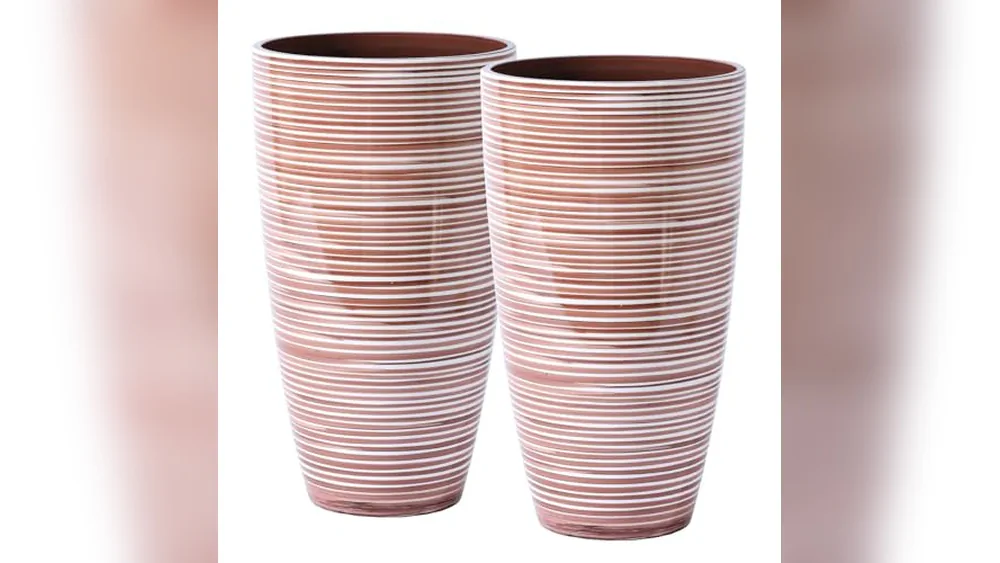
An example of minimalist modern design is the above set of glossy sand beige ceramic pots. These graduated size cylinders are versatile and great for grouping together on a shelf or table. The neutral tone complements any decor, and the glossy finish is stain resistant and wipes clean easily. They are practical due to drainage holes (usually with plugs). They retail at good prices in the major retailers and are great for beginners who are starting a collection. Pros: Sturdy, good looking, moisture holding for tropicals. Cons: Can be bulky when full. Great for monstera, rubber plants or bird of paradise for a sophisticated look. The pots encourage healthy root systems by keeping the moisture even but not soggy.
On the subject of ceramics: Look for reactive glazes that develop subtle variations in colour, adding depth. For example, Bergs Potter sells Copenhagen-style pots and saucers, which are noted for their quality. For patterned options, look to Rifle Paper Co collaborations for artistic flair. Tall floor ceramics (18 to 24 inches) are perfect for anchoring a space and supporting a fiddle leaf fig or palm for larger areas. Maintenance: Dusting now and then and checking for cracks. They develop character over the years and become heirloom-worthy investments. The ceramic’s thermal properties help to stabilise soil temperature which is important in inconsistent indoor climates with HVAC systems. Place humidity loving calatheas on the saucer along with a pebble tray to increase the ambient moisture.
Comparison in detail: Glazed and unglazed pottery. Sophisticated shapes with a terracotta-like breathability. Unglazed are more breathable. Glazed for colour retention and ease of cleaning. Sets of 3-5 matching pots are popular for cohesive displays. 2026 reviews. Quality starters under $50, premium up to $150 for artisanal pieces. Always check interior drainage – no surprises.
Self-Watering Planters – Great for Busy Lives
Self-watering systems are a game-changer for people who travel or have busy schedules.

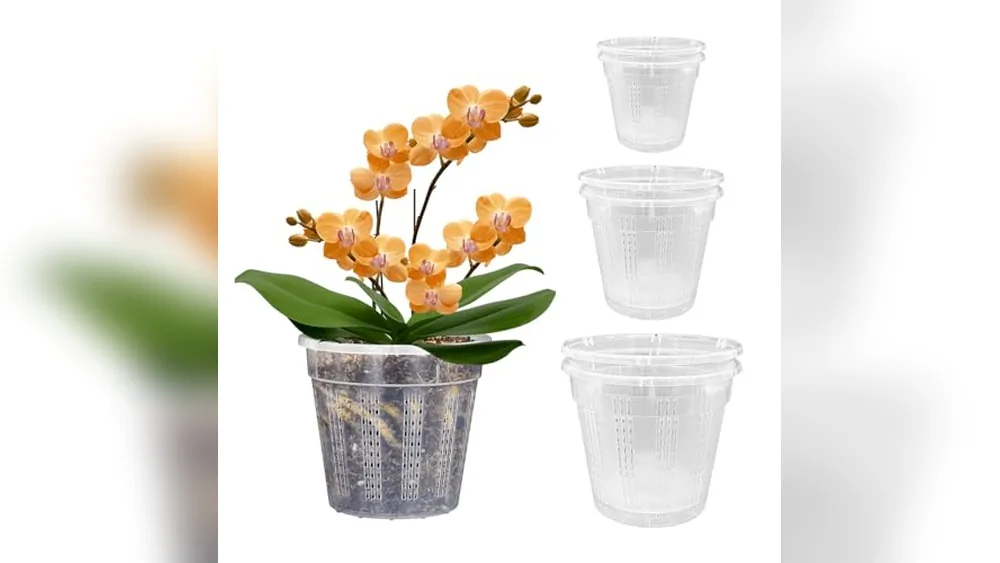
These rectangular white self-watering planters are perfect for herbs like rosemary and basil on windowsills or kitchen counters. It has an inbuilt reservoir with an indicator to let you know when to refill, so you can water less often (every 7-14 days). Lightweight plastic construction makes them movable and the clean lines are suitable for contemporary kitchens or offices. They have drainage options for flexibility. Good for beginners or city people. Pros: Low maintenance, consistent hydration, prevents over/under-watering. Cons: Have to clean reservoir now and then to prevent algae. Perfect for herbs, spider plants or small pothos.
Plunging Further The self-watering technology is wick or capillary action. The more advanced models have smart sensors that connect to your phone through an app, and they’ll notify you in 2026. Integrated reservoirs in wall-mounted vertical gardens optimise space for larger arrangements. Materials include sleek ceramics and BPA-free plastics with hidden reservoirs. The benefits are fewer soil gnats (less surface watering) and better nutrient uptake. Studies indicate that many species grow 20-30% faster with steady moisture. Self-waterers for orchids or African violets prevent crown rot. Cost: $15-60/unit. When buying, measure your space. Shelves must be rectangular, tabletops round. Pair with grow lights for areas of low light In the spirit of sustainable living, they save water and mess in the long run.
Troubleshooting tips: If roots grow into reservoir, trim them as needed. Use distilled water in hard water areas to reduce buildup. It works best with soil mixes that are well-aerated.
Solutions for Vertical Greenery: Hanging Planters
Hanging options optimise small spaces.
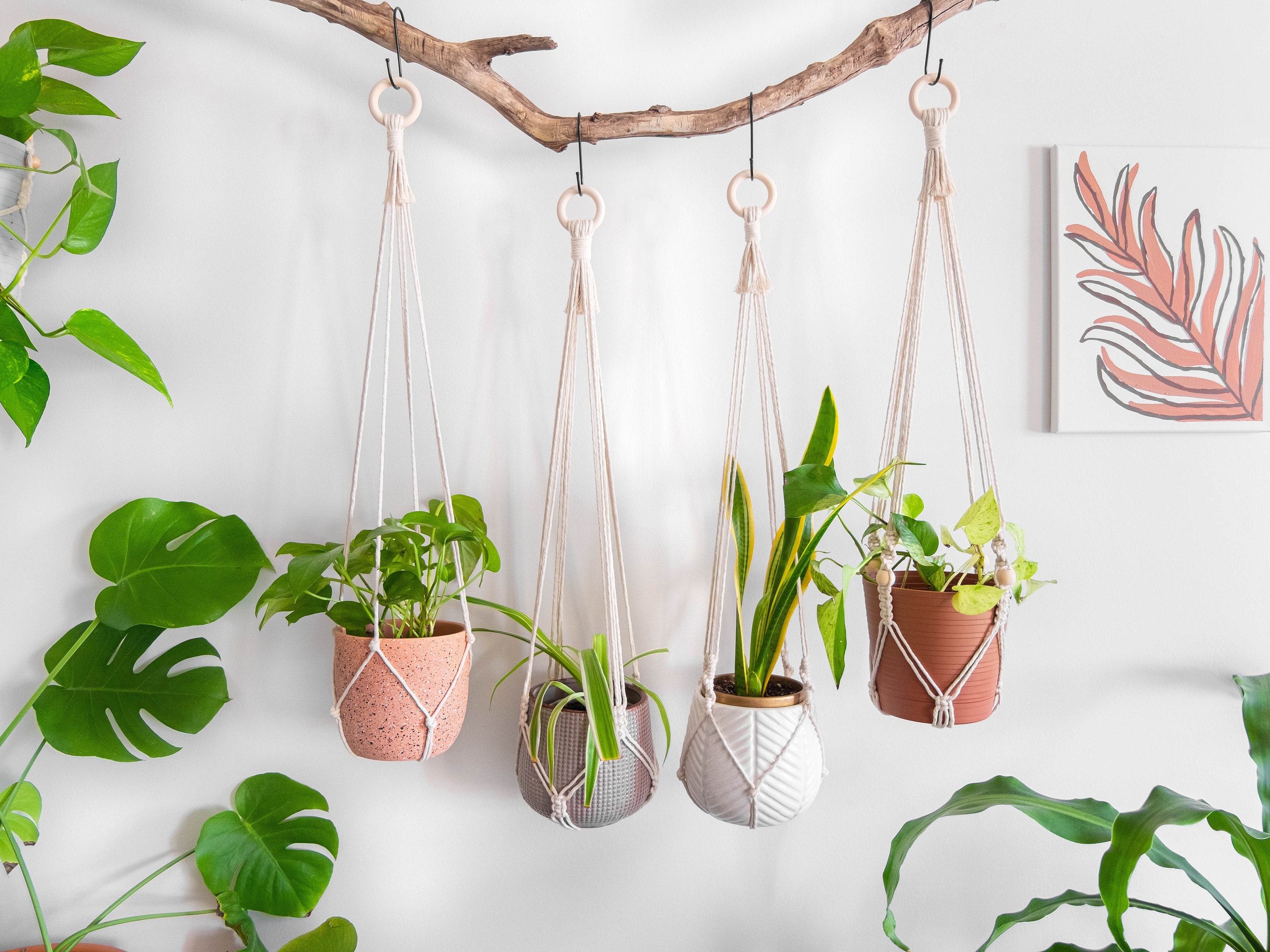
Macrame hanging planters like these add boho charm and free up surfaces. They come in all sorts of pots (terracotta, ceramic) and are great for trailing plants. Adjustable lengths work with any ceiling height, and natural fibres bring in texture. Hooks make it easy to install. Light weight for renters. Pros: Space saving, attention grabbing, air circulation. Cons. Can get tangled. Watch weight limits. Great for pothos, philodendrons or hoyas.
Discover hanging varieties: Macrame, rope, metal chains, or modern geometric hangers. Hemp that is sustainable or polyester that is recycled are popular in 2026. For high ceilings, dramatic multi-tiered hangers make waterfalls of greenery. Weight distribution is key, so use heavy-duty ceiling anchors. Aesthetic integration:
Match fibre colours to walls or add personality with beads/wood accents. Plant health benefits: Higher places often get better light and airflow, which can mean fewer pests. It will have to be misted lightly to give it humidity and rotated for even growth. Price: $10-$40 per each. Group 3-5 for impact in living or bedrooms They love the humidity of showers, for bathrooms. Creative uses: Drape over dining tables to hold herbs for eating or in nurseries for a soothing effect. Durability is a matter of material—protect natural fibres from direct water. This vertical strategy also turns blank walls into living art, reinforcing biophilic design principles that have been proven to reduce anxiety.
Other Materials and Terracotta Classics
Terracotta is timeless for its breathability. Use for drought tolerant species. Modern twists are painted or patterned versions. Lightweight plastic replacements. Seal it up to keep the dust down—industrial concrete vibe wood heats, but requires liners. Fibreglass for large weather resistant (indoor/outdoor) stuff.
Comparison between materials: Terracotta dries out the fastest (good for overwaterers), ceramics are in the middle, and plastics hold the moisture the longest. Test in your environment, dry climates prefer retainers, humid prefer breathable. Weight: Necessary for shelves or hanging. Cost per square inch of display. Ceramics often best long term value. Sustainability: Recycled plastic or upcycled wood are best. Aesthetics evolution: From basic to sculptural forms in 2026 collections.
Recommendations for Specific Plants: Planters
- Succulents & Cacti: Terracotta or other shallow ceramics with good drainage. The smaller sizes do not decay.
- Monstera, Fiddle Leaf, etc. Larger glazed ceramics or self-watering to keep consistently moist.
- Ferns & Calatheas: Moisture retentive plastics or ceramics; high humidity setups.
- Snake Plant & ZZ: forgiving in almost any, terracotta looks great.
- Trailing Plants: Hanging macramé or shelves with trailing pots.
- Herbs: Self-watering kitchen windowsill kits.
- Big Statement Plants. Potting for floor pots of fibreglass or concrete.
Guides on how to: Upgrade to 8-10 inch pot for 6 inch monstera Check roots annually. Propagation stations use glass or small ceramic. Seasonal Changes: Upgrade to a larger size in spring.
Indoor Plant Display Styling Tips
Layer heights – mix floor, table, hanging. Colour coordination: either monochromatic or complementary colour schemes. Lighting synergy: Set near windows, supplement with LEDs. Texture play: rough terracotta & smooth ceramics. Holiday pots for seasonal refreshes. Small space hacks: Wall shelves, plant carts, vertical gardens Room Ideas for Large Spaces: Grouped Clusters as Room Dividers. Pet friendly: Non-toxic or raised mixes. Office setups: Desk minis to focus. Bedroom sanctuaries: Air-purifying plants in tranquil pots.
Instagram neutral background style. Photography and social media. Community trends: Plots of unique planters (plant swaps).
How to Keep It Going and Take Care of It
Clean your pots regularly to prevent salt buildup. Repot when roots become too crowded , every 1-2 years as needed . Refresh soil. Add perlite for drainage. Pest prevention: Examine new plants. Watering science: Finger test or moisture metres? Fertilising: Maintain balance during the growing season. Typical mistakes: No saucers, wrong size, bad material match. Troubleshooting: Yellow leaves = Too much water. Improve drainage. Brown tips: Change the type of pot if you are under-watering or have low humidity. Pro tip: With some pots, bottom watering encourages deeper roots.
Sustainability practices: Re-use old pots, compost failures, choose ethical brands. Sustainable options , carbon footprint reduction .
Shopping and Budget Guides
Under $20: Simple plastic or small terracotta sets. $20-50: Good quality ceramics and self-waters. $50+: Premium, designer, large. Amazon and Etsy are online for variety; specialist sites for uniques. In stores. Home Depot, Ikea, nurseries. 2026 deals: Watch out for eco-bundles.
DIY and Creative Planter Ideas
Recycle jars. Paint terracotta. Build wooden stands. macrame tutorials to make your own hangers. Uniques: casting in resin or concrete. Safety: Edibles use food-grade. Cost savings: 50-70% off retail price.
Best Indoor Planters – FAQs
Q: Best for beginners overall? A: Ceramic glazed with drainage holes. A: How often to repot. A. When the roots begin circling or growth stops. Q: Is self-watering worth it? A: Yes to be consistent And a lot more. With detailed answers.
Conclusion: Grow Your Indoor Garden Today
The best planters make caring for plants a pleasure, not a chore. Bring home the right selections, such as the colourful ceramics, functional self-waterers and chic hangers, to cultivate a lively indoor oasis. Experiment, learn from your plants and have fun. Your home (and lungs) will be grateful. Start small, scale up and see your green sanctuary bloom in 2026 and beyond.