Is Teak Best for Outdoor Furniture among woods for outdoor furniture? You may have heard about its beauty, strength, and long life. But is teak really the best choice for your garden, patio, or balcony? Choosing outdoor furniture is a big investment, and the wood you pick matters.
Weather, insects, and time can damage many types of wood, so it’s smart to know what you’re buying. Let’s look deeply at teak and see if it truly stands above the rest for outdoor use.
What Makes Teak Unique
Teak has a rich golden-brown color and a smooth grain. But its beauty is only one part of its story. The real strength of teak comes from inside the wood. Teak trees grow in tropical areas like Southeast Asia, especially in Myanmar, Indonesia, and India. Over time, the heartwood—the wood at the tree’s center—becomes filled with natural oils and rubbery resins. These natural chemicals act as a built-in shield against rain, sun, and insects.
This unique mix gives teak some standout qualities:
- Water resistance: Teak repels water better than most woods.
- Insect protection: The oils in teak keep away termites and borers.
- Weather endurance: Teak can stay outside for years with little damage from sun or rain.
- Minimal warping: Teak changes shape less when the weather gets hot, cold, or wet.
Many other woods need oiling or sealing to survive outdoors, but teak is naturally protected. This is why you’ll see teak used in shipbuilding and luxury yachts—environments where wood faces harsh conditions every day.
How Teak Handles Outdoor Challenges
Outdoor furniture faces many enemies: rain, sun, humidity, and bugs. Let’s see how teak does in each area.
Rain And Moisture
Teak’s dense grain and high oil content make it highly water-resistant. When left in the rain, water beads up on the surface rather than soaking in. This is why teak rarely rots, even in wet climates. In contrast, softer woods like pine or acacia can swell and decay after a few seasons.
Sun And Uv Rays
The sun’s ultraviolet (UV) rays can dry out and crack most woods. Teak is different. Its oils act like a sunscreen for the wood, keeping it from splitting or becoming brittle. Over time, teak’s color will fade to a soft silver-gray, but the wood itself stays strong and smooth.
Insect Damage
Termites and wood-boring insects are a big threat to outdoor wood. Teak’s natural resins and oils are unappealing—even toxic—to most bugs. This keeps your furniture safe without the need for harsh chemical treatments.
Heat And Cold
Teak expands and contracts less than many woods when temperatures change. This means fewer cracks, splits, or wobbly joints. Even in places with cold winters and hot summers, teak furniture keeps its shape and strength.

Comparing Teak To Other Woods
Is teak really better than other popular outdoor woods? Let’s see how it stacks up against some common options.
| Wood Type | Water Resistance | Insect Resistance | Lifespan (outdoors) | Maintenance Needed |
|---|---|---|---|---|
| Teak | Excellent | Excellent | 25-50+ years | Low |
| Eucalyptus | Good | Good | 10-15 years | Medium |
| Acacia | Moderate | Poor | 5-10 years | Medium-High |
| Pine | Poor | Poor | 2-5 years | High |
| Cedar | Good | Good | 10-20 years | Medium |
You can see that teak is the leader in both water and insect resistance. Its lifespan is much longer, and it needs less care over time. While other woods can work outdoors, they usually need more protection and may not last as long.
Teak Vs. Metal, Plastic, And Other Materials
Outdoor furniture is also made from aluminum, steel, plastic, and synthetic wicker. How does teak compare to these?
| Material | Durability | Comfort | Look & Feel | Maintenance | Cost |
|---|---|---|---|---|---|
| Teak | Very High | Warm, Comfortable | Natural, Luxurious | Low | High |
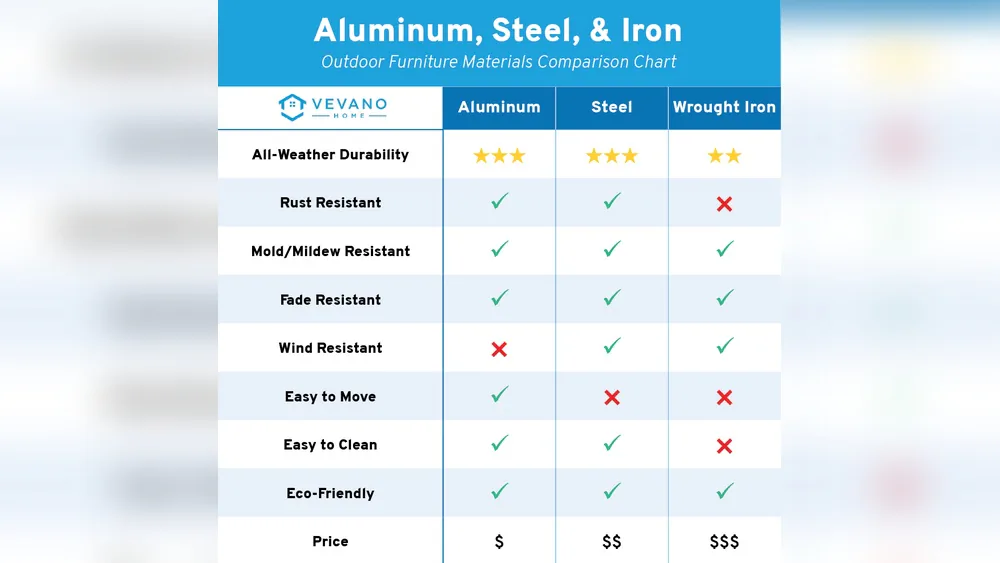
| Aluminum | High | Cool, Firm | Modern, Sleek | Low | Medium |
| Steel | High (with coating) | Cold, Firm | Industrial | Medium (needs rust protection) | Medium |
| Plastic/Resin | Medium | Lightweight, Variable | Casual | Low | Low |
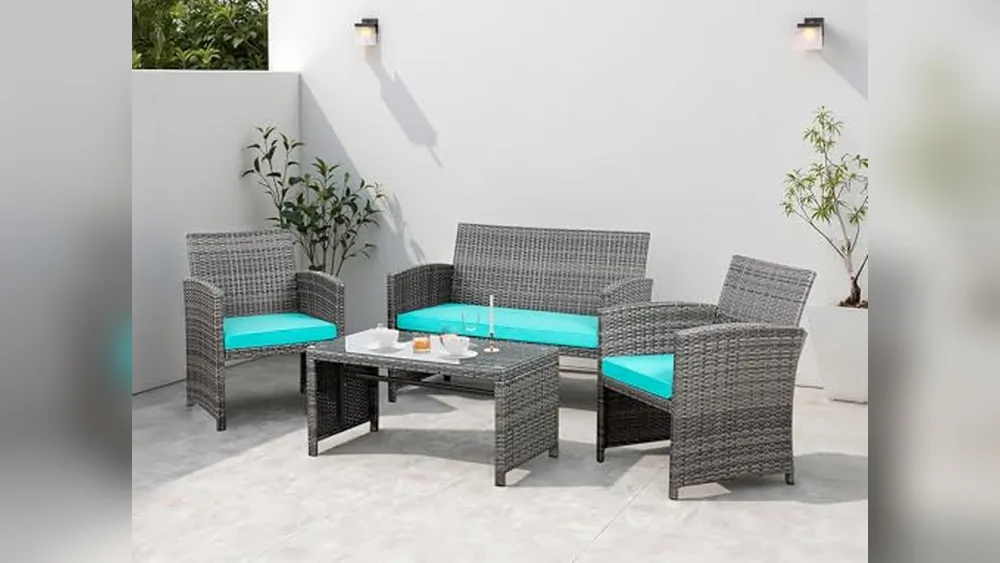
| Synthetic Wicker | Medium-High | Comfortable | Classic/Modern | Low | Medium |
Teak stands out for its warm touch and classic look. Unlike metal, it doesn’t get uncomfortably hot or cold. Unlike plastic, teak feels solid, stable, and luxurious. However, it does come with a higher price tag—a sign of its quality and long life.
The Real-Life Lifespan Of Teak Furniture
Many people ask: “How long will teak furniture really last outside?” The answer: decades—often 25 to 50 years, and sometimes more. There are teak benches in English parks that are over 100 years old and still in use.
Why Does Teak Last So Long?
- The oils in the wood don’t dry up quickly.
- The wood itself is dense and hard, making it less likely to crack or wear down.
- Even if you don’t oil or seal your teak furniture, it will not rot or fall apart.
Here’s a quick example: A family in the UK bought a set of teak garden chairs in the 1970s. After 40 years outdoors, the chairs had turned silver-gray, but they were still strong and comfortable. Only minor repairs were needed.
Maintenance: What Does Teak Need?
One of teak’s big advantages is low maintenance. You don’t need to sand, stain, or seal it every year. Still, a few simple steps will keep it looking and working its best.
Basic Care
- Cleaning: Wash with mild soap and water once or twice a year to remove dirt and pollen.
- Brushing: Use a soft brush to clear away mold or moss. Don’t use steel wool—it can scratch the wood.
- Oiling (optional): If you like the original golden color, apply teak oil every 6-12 months. But this is not required for protection—only for looks.
Weathering And Color Change
Teak naturally changes color from golden brown to silver-gray when left outside. This is not damage—just a surface change caused by sunlight. Some people love the aged, gray look. If you prefer the original color, oiling can help keep it.
Stains And Spills
Teak is resistant to most stains, but food or wine spills should be wiped up quickly. For tough spots, a mix of baking soda and water can help.
Common Mistakes
Many beginners think teak needs constant oiling or sealing. In reality, too much oil can create a sticky surface or attract dirt. Another mistake is using harsh cleaners, which can strip the natural oils. Always use gentle products.
The Environmental Impact Of Teak
Sustainability matters more than ever. Is choosing teak good for the planet? The answer depends on where the teak comes from.
Sourcing And Certification
- Old-growth teak: Traditionally, teak was cut from wild forests in Myanmar and India. This led to deforestation and environmental harm.
- Plantation teak: Today, most quality teak comes from managed plantations in Indonesia and other countries. Plantation teak is grown sustainably, with new trees planted to replace those harvested.
- Certification: Look for labels like FSC (Forest Stewardship Council) or SVLK. These mean the wood was harvested in an eco-friendly way.
Environmental Pros And Cons
Pros:
- Teak furniture lasts much longer than cheap alternatives, reducing waste.
- Plantation forests can provide habitat for wildlife and jobs for local people.
Cons:
- Illegal logging is still a problem in some countries. Always buy from trusted sources.
- Shipping teak worldwide uses energy and creates carbon emissions.
If you care about the environment, ask sellers about their teak sourcing. Certified plantation teak is the best choice for both quality and the planet.
The Cost Of Teak: Is It Worth It?
Teak is expensive. A single teak chair can cost several times more than one made from acacia or plastic. Why is teak so pricey?
- Slow growth: Teak trees take 20-30 years to reach maturity.
- High demand: Many people want teak for its lasting beauty.
- Limited supply: Quality, certified teak is not easy to find.
But remember, teak furniture can last 5-10 times longer than cheaper options. If you look at the cost per year of use, teak often turns out to be a smart investment.
Tip: If you want the look of teak but have a tight budget, consider buying one or two key pieces—like a bench or dining table—rather than a full set.
Style And Design: How Teak Fits Your Outdoor Space
Teak’s natural look fits many outdoor styles. Its warm color and smooth grain look great in both classic gardens and modern patios. Here’s how teak can work for you:
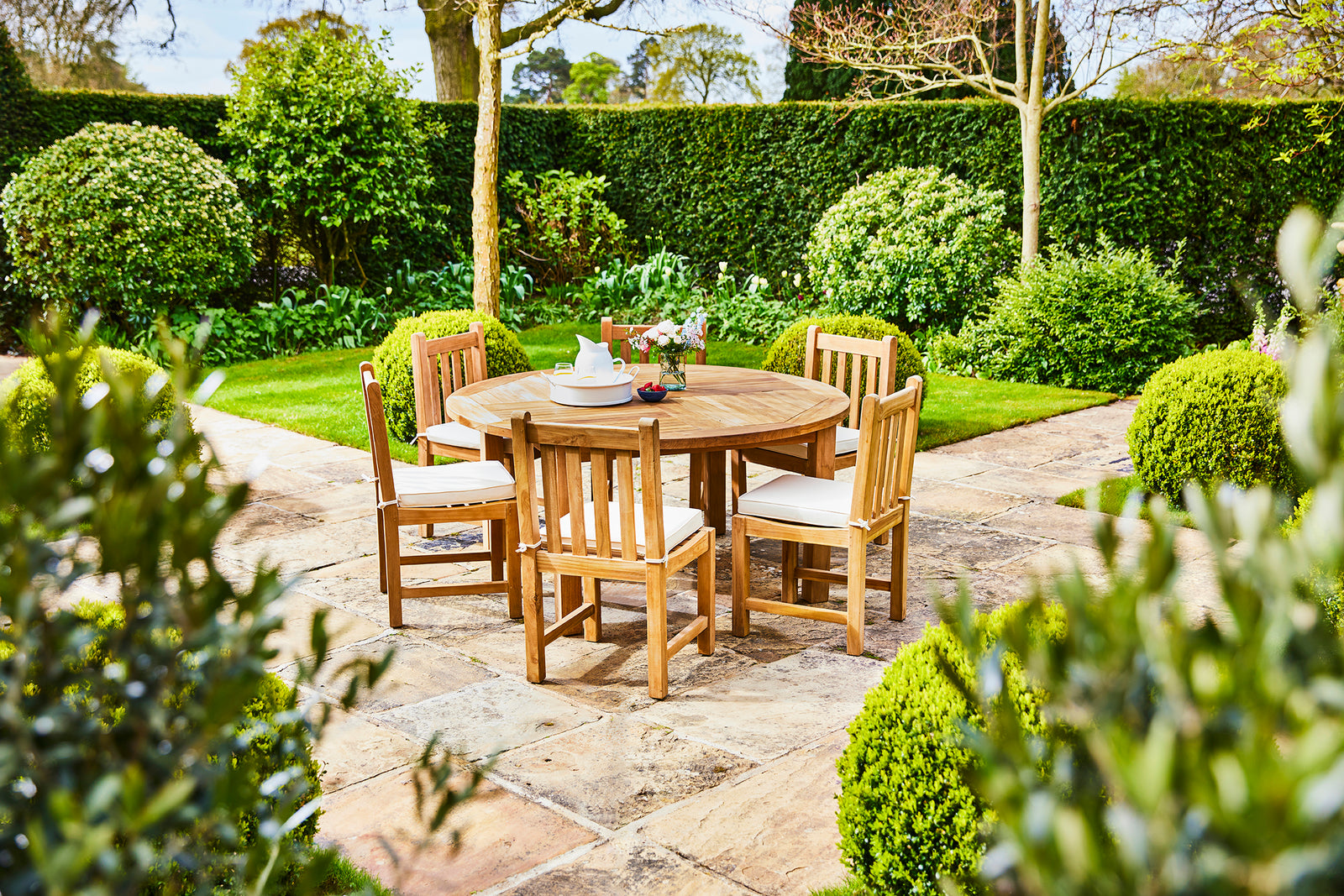
- Traditional: Teak benches and Adirondack chairs blend with green lawns and flower gardens.
- Modern: Sleek teak tables and minimalist chairs create a calm, stylish patio.
- Mix and match: Teak pairs well with metal, glass, or stone for a unique look.
Teak furniture is also heavy and stable. It won’t blow away in strong winds, making it good for open spaces.
Hidden Insights: What Most People Don’t Know
Most buyers focus on teak’s strength and weather resistance. But there are a few less obvious benefits:
- Teak is naturally anti-slip. The wood has a slightly waxy feel, even when wet. This makes it ideal for poolside furniture, where safety is a concern.
- Teak ages beautifully. Unlike many woods that look worse with time, teak develops a smooth, silver patina that many people find even more attractive than the original color.
- Repair is easy. Small scratches or dents can be sanded out without harming the wood’s protective oils.
- Teak resists mold and mildew. Its oils prevent not just insects, but also most fungi from taking hold. This is a big plus in humid climates.
When Teak Might Not Be Right For You
Although teak is one of the best woods for outdoor furniture, it’s not always the perfect fit for every person or place.
- Budget limits: If you need a lot of furniture quickly and cheaply, teak may be out of reach.
- Very dry climates: In extremely dry, desert-like areas, teak can crack if not cared for. Occasional oiling may be needed.
- You want color: If you prefer bright colors, teak might not suit your taste, since it’s usually left natural or lightly oiled.
In such cases, consider other materials or woods that better fit your needs and style.
How To Choose Quality Teak Furniture
Not all teak is equal. Here’s how to make sure you get the best:
- Look for Grade A teak. This is heartwood from the center of mature trees. It’s rich in oils and has a uniform color. Lower grades (B or C) come from outer wood and are less durable.
- Check the source. Ask for proof of sustainable, legal sourcing—ideally, FSC or SVLK certification.
- Examine construction. Good teak furniture uses mortise-and-tenon joints, not just screws or glue. This keeps the furniture strong for decades.
- Feel the finish. Well-made teak should be smooth, with no rough edges or splinters.
Some sellers offer teak-look furniture made from lower-cost wood and a thin teak veneer. These won’t last as long and may peel or crack after a few years.

Real-world Examples And Data
Let’s look at some real numbers and experiences.
- According to the Forest Products Laboratory, teak’s durability rating is “excellent”—better than almost all other hardwoods.
- In a study by the Royal Botanic Gardens, Kew, teak showed little change in strength after 30 years outdoors, even without regular oiling.
- The New York City Parks Department uses teak for benches in Central Park, because it can last over 50 years, even with millions of visitors sitting on them every year.
These examples show that teak’s reputation isn’t just marketing—it’s backed by data and real-world use.
How To Care For Teak In Different Climates
Teak is adaptable, but some climates may need special care.
Humid, Rainy Areas
- Wash off dirt and pollen regularly to prevent mold.
- Place furniture on stone, concrete, or gravel, not directly on soil.
Dry, Hot Areas
- Occasional oiling can prevent cracks.
- Keep out of direct sun during extreme heat if possible.
Cold, Snowy Areas
- Teak can stay outside, but covering it in winter will reduce cleaning work in spring.
- Brush off snow to avoid heavy buildup.
Alternatives To Teak: What Else Can You Consider?
If teak is not available or doesn’t fit your needs, here are some other outdoor-friendly woods:
- Eucalyptus: Similar look, good strength, but shorter lifespan.
- Ipe: Also very durable and dense, but often more expensive and harder to work with.
- Shorea: More affordable, good resistance, but not as long-lasting as teak.
- Cedar: Lightweight, naturally resistant to rot, but softer and needs more care.
Each of these has its own pros and cons. But for a mix of beauty, strength, and ease of care, teak remains the gold standard.
Frequently Asked Questions
Is Teak Furniture Really Weatherproof?
Teak is not 100% weatherproof, but it is one of the most weather-resistant woods. Its natural oils protect it from water, sun, and insects. It won’t rot or warp easily, even after years outdoors.
Do I Need To Oil My Teak Furniture?
Oiling is not required for protection. It’s only needed if you want to keep the golden-brown color. If you like the silver-gray look, no oiling is needed—just basic cleaning.
How Can I Tell If Teak Furniture Is High Quality?
Look for Grade A teak, check for smooth finish, and strong joints (mortise-and-tenon). Ask for proof of legal, sustainable sourcing like FSC certification.
Can Teak Be Left Outside All Year?
Yes, high-quality teak can stay outside in most climates all year round. It may need cleaning after winter, but it won’t be damaged by rain, sun, or snow.
Where Can I Learn More About Sustainable Teak?
The Wikipedia page on Teak has detailed information about sourcing, environmental impact, and global trade.
Teak is more than just a beautiful wood—it’s a smart, long-lasting choice for outdoor furniture. With its natural protection, low maintenance, and timeless style, it’s easy to see why so many experts and homeowners prefer it. If you want outdoor furniture that stays strong, looks good for decades, and is easy to care for, teak is hard to beat.
Choose wisely, care for your furniture, and enjoy your outdoor space for many years to come.