
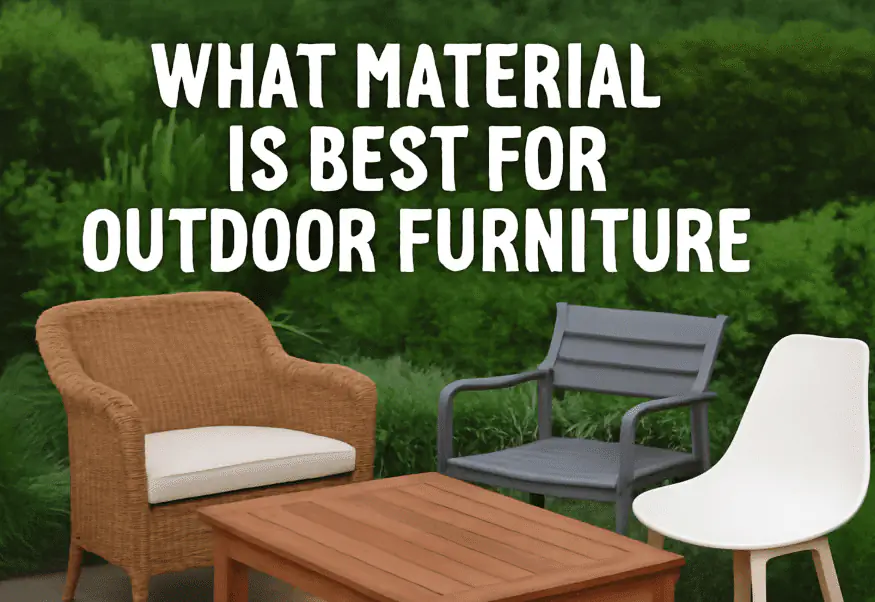
What Material is Best for Outdoor Furniture can turn your patio into a stylish, comfortable place to relax that lasts for years. But with so many choices, how do you know which one is really right for you?
You want something that can handle Austin’s sun, rain, and storms without losing its charm or costing too much. You will find the best materials that are strong, beautiful, and easy to care for. You’ll be sure to choose the right outdoor furniture for your lifestyle and keep your space welcoming, no matter what the weather is like.
Read on to learn about the best materials for your outdoor furniture and why they are important.
Best Material Choices
The right material for outdoor furniture is important for long-lasting comfort and style. The right choice can handle rain, sun, and wind. It also stays nice-looking with little care over time. There are a number of materials that work well outside, and each has its own set of advantages. Here are some of the best materials for outdoor furniture.
Benefits of Teak Wood
Teak wood is tough and doesn’t rot or warp in the weather. It has oils in it that keep water and bugs from hurting it. If you don’t do anything to it, this wood will age beautifully and turn a soft silver-gray. Teak is simple to clean and doesn’t easily warp or crack. Because it lasts a long time, it is a popular choice for outdoor furniture.
Aluminum Characteristics
Aluminum furniture is light and won’t rust. It doesn’t need a lot of care or special treatment. This metal is strong but not too heavy to move. Powder-coated finishes that add color and extra protection are common on aluminum frames. It doesn’t fade and looks good in any outdoor setting. Aluminum is another cheap choice for long-lasting furniture.
Benefits of Resin Wicker
Resin wicker looks good and can stand up to the weather. It looks like real wicker, but it’s made of synthetic fibers. This material doesn’t get damaged by mildew, moisture, or the sun. You can clean resin wicker furniture with just soap and water. It is strong enough to stand up to harsh outdoor conditions while still being flexible and comfortable. This makes it great for gardens and patios.
Other long-lasting choices
There are other materials besides the most popular ones that are strong and last a long time for outdoor furniture. These choices mix natural beauty with strength or use new materials that are meant to last in bad weather. They look good and feel good in a lot of outdoor settings, and they last a long time.
Cedar and Redwood
Cedar and redwood are known for not rotting naturally. The oils in these woods keep bugs and moisture away. They don’t need a lot of harsh chemicals to last outside. Over time, both woods get a soft silver-gray patina that makes them look beautiful. Sealing them often helps them keep their bright color. Because they are light, furniture is easy to move. They add warmth and style to outdoor spaces, making them perfect for decks and patios.
Plastic and poly lumber that has been recycled
Recycled plastic and poly lumber look like wood but don’t need to be maintained. They don’t fade, crack, or break when it rains or shines. They are good for the environment because they are made from recycled materials. These materials don’t soak up water, which stops mold and rot. It’s easy to clean with soap and water. They can handle a lot of use and bad weather. They are great for families and busy outdoor areas because they are both strong and long-lasting.
Fabrics that work well
High-performance fabrics make outdoor furniture more comfortable and long-lasting. They are made of solution-dyed acrylic or polyester, which means they won’t fade in the sun. These fabrics also keep water out and don’t get dirty easily. They dry quickly, which stops mold and mildew from growing. A lot of them have UV protection to keep colors bright. They are soft but strong, so they will keep you comfortable in any weather. They are good for cushions and umbrellas, and they keep outdoor seating fresh and inviting.
How materials work in different climates
The weather where you live has a big impact on what kind of material you should use for outdoor furniture. Different materials respond differently to the weather. This part explains how different types of weather affect different types of materials. Knowing this will help you choose furniture that lasts longer and looks good.
Best for Wet Weather
It’s best to use materials that don’t rust and can handle water. Teak wood is a great choice because it has natural oils that keep water out. Synthetic wicker made from resin also does well in wet conditions. Another great choice is aluminum furniture because it doesn’t rust and dries quickly. Don’t use iron or untreated wood because they can break down quickly in wet weather.
Best for places with a lot of sun
The sun can fade colors and make some materials less strong. Choose fabrics that don’t fade in UV light, like solution-dyed acrylic. This fabric stays bright and doesn’t crack or peel. Aluminum frames that have been powder-coated don’t get damaged by the sun and keep their look. Teak wood also does well in the sun, slowly turning silver-gray over time. Stay away from plastics that could break easily or fade quickly.
Materials That Work Well in Salt Air
Furniture in coastal areas is more likely to rust because of the salty air. Stainless steel doesn’t rust and stays strong in salty places. High-quality resin synthetic wicker can handle salt without getting damaged. Teak wood naturally resists salt and moisture, so it’s a good choice for coastal areas. Stay away from regular steel or iron, which can rust quickly near the ocean.
Keeping it up and making it last
The type of material you choose for outdoor furniture affects how long it lasts and how easy it is to care for. Outdoor furniture needs to be able to handle dust, rain, wind, and the sun. Some materials need a lot of care, while others last longer with little effort. Knowing what your furniture needs in terms of maintenance will help you choose furniture that lasts and is easy to care for.
Choices That Don’t Need Much Care
Aluminum is a popular choice because it doesn’t need much care. It doesn’t need painting and doesn’t rust. Use a damp cloth to wipe away dirt. It’s also easy to take care of plastic furniture. It doesn’t fade or get wet, but it might crack in the cold. Resin-based synthetic wicker is strong and can stand up to the weather. It looks like natural wicker, but it lasts longer outside. These materials will help you save time and keep your furniture looking new.
Materials that look natural
Many people like the warm, natural look of wood. Teak is the best type of wood for furniture that goes outside. It has natural oils that keep water and bugs away. Teak looks great as it gets older, but you need to oil it every year to keep its color. Cedar and eucalyptus are good choices, but they need more care. Wicker made from natural materials has a classic look, but it doesn’t hold up as well in bad weather. To make natural wicker last longer, cover it or store it inside when it rains. Natural materials need more care, but they add charm and beauty.
Different Fabrics for Cushions
Comfort and durability depend on picking the right fabric for outdoor cushions. Every day, outdoor cushions are exposed to the sun, rain, and dirt. Fabrics have to be able to stand up to fading, moisture, and mold. Choosing the right material helps cushions stay looking new and last longer.
Acrylic dyed in solution
Acrylic that has been dyed with a solution is a great choice for outdoor cushions. The color is added while the fiber is being made, which makes it fade-resistant. This fabric can handle being in the sun and rain. It feels soft, but you can easily clean it with mild soap and water. A lot of high-end outdoor furniture brands use solution-dyed acrylic for their cushions.
Fabrics made of polyester and olefin
Polyester is very strong against stretching and rubbing. It does well in outdoor conditions like rain and sun. People also like olefin fabric because it dries quickly and doesn’t get moldy. Both materials stay light and flexible, which makes cushions comfortable. They often have a vinyl backing to make them last longer.
Textiles that are waterproof and UV-resistant
Waterproof fabrics keep water from getting into cushions. They keep mold and bad smells from forming. Textiles that are resistant to UV rays keep colors from fading in bright sunlight. A lot of waterproof fabrics also have fibers that block UV rays. These fabrics keep outdoor cushions bright and dry for longer periods of time.
Wicker and Metal: A Comparison
To enjoy your patio or garden, you need to choose the right material for your outdoor furniture. People like wicker and metal a lot. Each one has its own special features that make it good for different needs and tastes. Knowing what makes them different will help you choose the best one for your outdoor space.
Long-lasting and resistant to weather
Metal furniture is strong and can hold a lot of weight without bending. It does a good job of protecting itself from wind and impact. A lot of metal parts have a powder-coated finish. This coating keeps rust and corrosion from happening.
Wicker, especially synthetic wicker, is made to stand up to rain and sun. It doesn’t fade or crack as easily as real wicker. Natural wicker, on the other hand, isn’t as weatherproof and needs to be kept dry.
Metal doesn’t lose its shape when it gets hot or cold. Wicker is somewhat flexible, but it may get weaker over time when used outside. Both materials need some care to last a long time outside.
Versatility in Style and Design
Wicker makes outdoor areas look warm and relaxed. It goes well with themes that are classic, rustic, or tropical. Wicker furniture often has complicated weaving patterns that make it look more interesting and add texture.
Modern and industrial designs look good with metal furniture. It can be shaped into clean, sleek lines or fancy details. Metal can also have bright or muted color finishes that go with any style.
Wicker makes a space feel warm and welcoming. Metal gives a strong, modern look. Both let you choose how to decorate your outdoor space.
Questions that are often asked
What kind of outdoor furniture can stand up to the weather the best?
Teak wood, powder-coated aluminum, and resin wicker are the most weather-resistant materials. They are very good at stopping rot, rust, and UV damage. Sunbrella fabric cushions also resist fading and moisture, so outdoor furniture will last in all kinds of weather.
What kind of fabric is best for outdoor furniture?
Solution-dyed acrylic and polyester fabrics work best for outdoor furniture. They don’t fade, get wet, grow mold, or get damaged by UV light. Sunbrella fabric is a popular choice because it lasts a long time. Polyester is light, flexible, and resistant to wear and tear. Choose these materials for cushions and upholstery that will last a long time and stand up to the weather.
Which is better for outdoor furniture: wicker or metal?
Wicker has a classic look, is strong and weatherproof, and goes well with outdoor styles. Metal is strong and won’t rust, but it can dent. Choose wicker for style and comfort, and metal for strength and ease of care.
What kind of fabric lasts the longest outside?
Acrylic and polyester fabrics that have been dyed with a solution last the longest outside. They don’t fade, mold, mildew, or wear down, which makes them strong and flexible. Vinyl backing on polyester makes it even stronger. Sunbrella is a well-known brand that makes outdoor fabric that lasts a long time.
Final Thoughts
Choosing the right material will make your outdoor furniture last longer and look better. Teak is strong against bugs and the weather. Aluminum is light and doesn’t rust easily. Resin wicker is strong and goes with a lot of different styles. Think about the weather where you live and how much care you want to give.
This helps you choose the best fit for your space. Good materials save you money and make your furniture more comfortable. Make the most of your outdoor space with furniture that fits your needs.

Pingback: Best Paint for Metal Patio Furniture (2026 Reviews)
Pingback: Best Materials for Outdoor Furniture to Buy in 2026