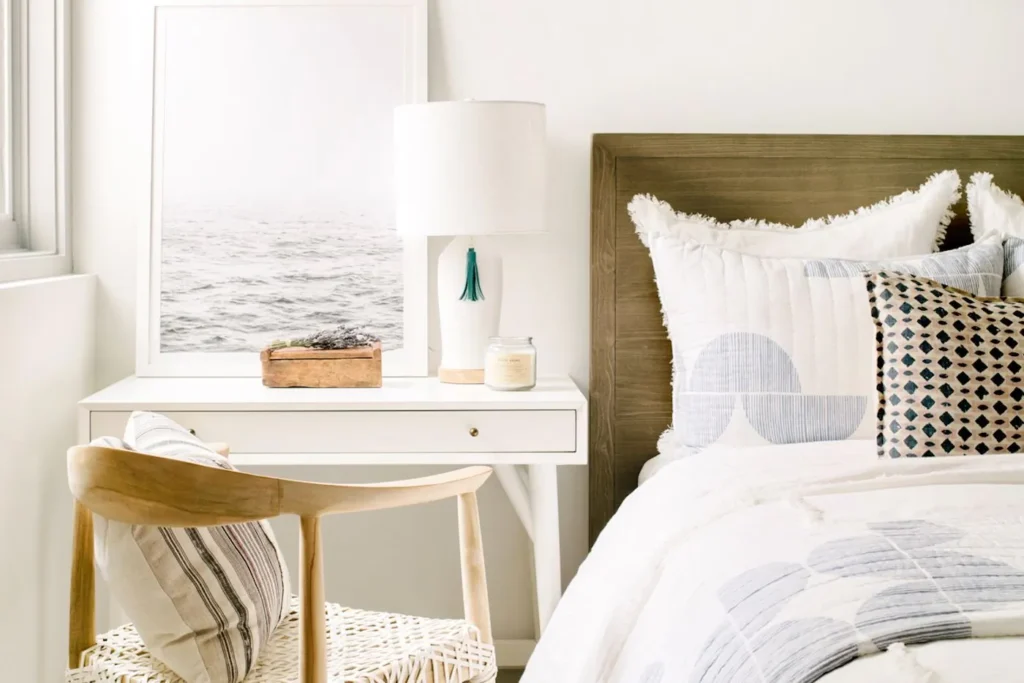
Center your bed on the longest unbroken How to Organize Furniture in Small Bedroom, leaving at least 24 inches of walkway on both sides. This arrangement takes about two hours and works best for single adults or couples living in standard apartments who need clear paths to doors and closets.
What you’ll need
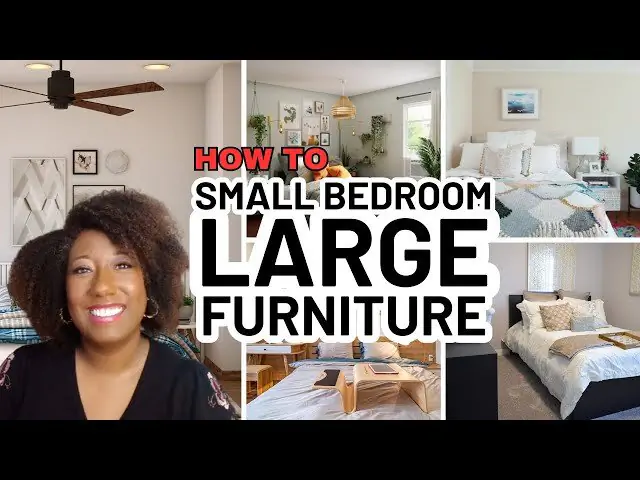 Photo: www.youtube.com on Google
- Metal tape measure (at least 16 feet long; cloth sewing tapes stretch and cause wrong measurements).
- Blue painter’s tape to mark furniture layouts directly on the floor.
- Furniture sliders rated for your floor type (plastic for carpets, felt-bottomed for hardwood).
- Graph paper and pencil, or a simple room layout app.
- Stud finder and drywall anchors for tall storage pieces.
You can substitute heavy cardboard pieces for commercial sliders on carpet, but you can’t use plastic sliders on wood because they scratch the finish. If you need to mount large, heavy wall units into metal studs, hire a licensed carpenter to avoid damaging hidden electrical wires.
Step-by-step
- Measure the room’s length, width, and every door swing with your tape measure, noting heat vents and window sills.
- Place your bed frame against the primary wall with 24 to 30 inches of walking clearance on each side. For rooms under 9 feet wide, push one side flush against a corner wall instead to open up central floor area. Careful: Don’t push a headboard directly over a heating vent or baseboard radiator, which blocks warmth and dries out wooden frames.
- Slide a tall, narrow dresser into an unused alcove or beside the closet door. If you choose between a wide horizontal bureau and a vertical chest, always pick the vertical unit to save precious footprint.
- Position one floating nightstand or slim side table beside the bed, keeping its surface height within 2 inches of your mattress top.
- Use blue painter’s tape to trace the outline of any remaining piece, like a desk or chair, before you bring it in. Tip: If you walk into your room and stub your toe on the tape line, that extra piece doesn’t belong in the space.
- Install high wall shelves at least 6 feet above the floor to store books and off-season bins without eating floor space.
- Secure your tall dresser directly to wall studs using metal safety brackets. Careful: Unanchored furniture can tip forward when top drawers open fully; check wall anchor hardware instructions carefully to match your wall type.
Layout Options by Room Size
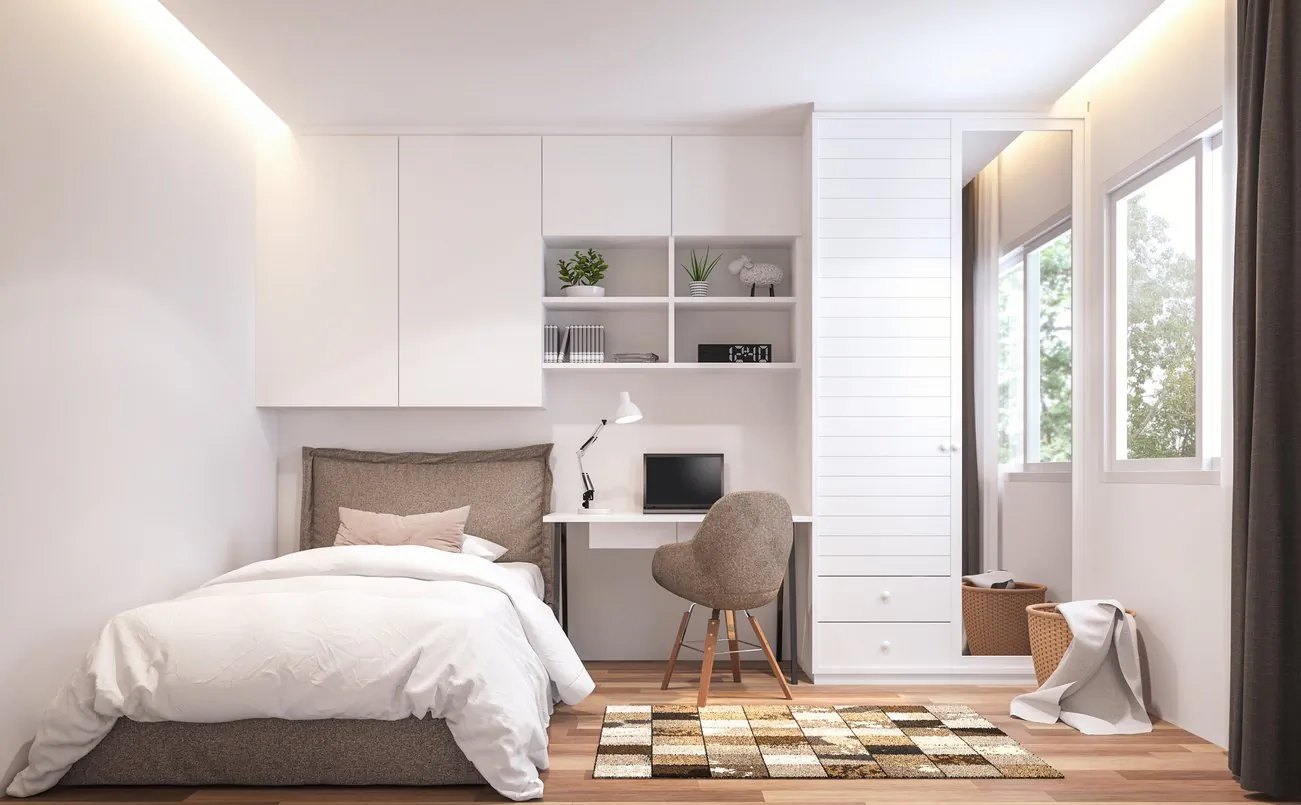 Photo: www.xyzstorage.com on Google
Here is how layout demands shift based on your floor area:
| Bedroom Type | Setup Time | Primary Strategy | What to Watch |
|---|---|---|---|
| Square Box (8×8 ft) | 2 to 3 hours | Single corner bed, wall-hung shelving | Entry door hitting the mattress edge |
| Narrow Tunnel (7×11 ft) | 3 to 4 hours | Bed across far short wall | Wardrobe doors blocking the main path |
| Standard (10×10 ft) | 2 hours | Centered bed with floating side tables | Walkway between bed foot and dresser |
| Shared Studio Nook | 4 hours | Lofted bed with work desk underneath | Ceiling clearance when sitting upright |
It’s safer to start with just the bed and one drawer unit than to crowd the floor with accent pieces on day one.
How to tell you did it right
You did it right if you can walk from the doorway to your bed in total darkness without your shins hitting wood. Drawers should extend completely without scraping the mattress edge, and closet doors must swing open freely. The common quality problem in tight rooms is visual clutter, which makes small quarters feel suffocating. This happens because dark, bulky furniture blocks sightlines toward the window. You can prevent this trapped feeling by leaving your window wall clear, choosing leggy frames that show floor underneath, and keeping bedroom walkways at a minimum width of 24 inches. This layout isn’t for people who collect large armoires or need California King mattresses, as those pieces swallow compact spaces entirely.
Clearance Standards and Upkeep
The Consumer Product Safety Commission requires anchor kits on clothing storage units to prevent tip-over accidents. Once your furniture is set, clear out moving blankets, sweep under the new positions, and screw those anchors firmly into wood studs. This configuration lasts until your storage needs change. If you own heavy antique dressers that lack mounting hardware, hire an insured handyman to bolt them securely. This varies by model — check the label on your furniture for specific anchor weight limits.
Other Layout Approaches
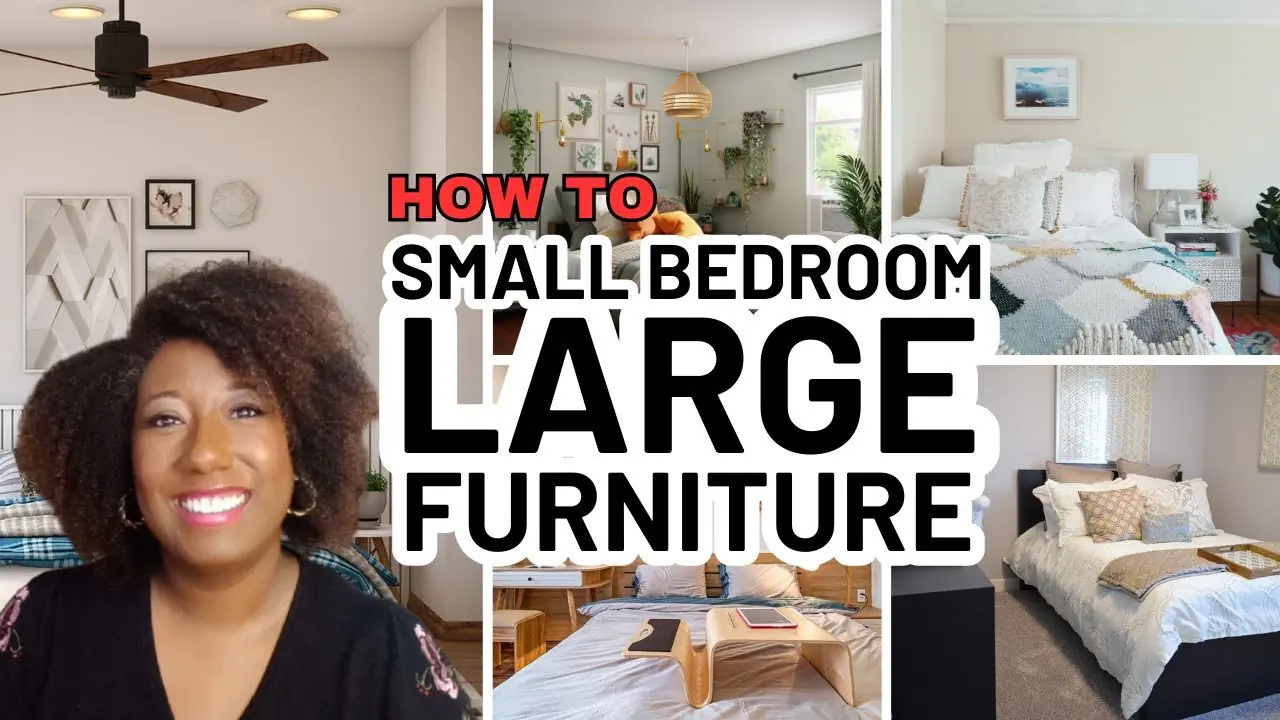 Photo: www.youtube.com on Google
The Wall-to-Wall Corner Setup
Push your bed tightly into the corner, sacrificing dual-sided access to free up open center floor. This cuts setup time down to an hour, but changing fitted bed sheets becomes significantly harder whenever you do it.
The Loft Bed Configuration
Elevate the mattress high enough to place a compact desk or clothes rail underneath. This doubles your usable room area, though buying a sturdy loft frame costs more upfront than keeping standard frames.
Built-in Modular Wall Systems
Install shallow cabinets completely around the head of the bed from baseboard to ceiling. This maximizes every vertical inch of storage, though installing it requires specialized carpentry tools and advanced wall mounting skills.
Frequently asked questions
Can I put my bed directly under a window?
Yes, you can place your bed under a window if no other long wall exists. Just leave a 2-inch gap between the headboard and sill so you can reach window latches and keep drapes hanging straight down.
How much space do I need around a bed?
You need at least 24 inches of clear space on each open side of a bed. If your walkways measure under 20 inches, you’ll bump your hips against furniture edges while dressing or making the bed.
Where should a dresser go in a small room?
A dresser belongs against the wall directly opposite the bed foot, or inside an open closet nook. Make sure you have at least 30 inches between the dresser front and any obstacle so drawers pull out fully.
Is a queen bed too big for an 8×10 bedroom?
No, a queen bed fits inside an 8×10 room, but it takes up almost half the total floor area. You must place it against the back wall and eliminate bulky side tables to maintain an open walking path.
What furniture pieces should I remove first from a crowded room?
Remove bedroom accent chairs, bulky nightstands, and wide horizontal bureaus first. Swap those items for wall hooks, hanging sconce lamps, and vertical dressers that use open wall height instead of precious floor space.