The Best Plants for Outdoor Planters: The Ultimate Guide to Creating a Thriving Oasis on Your Patio, Balcony or Deck
In today’s fast-paced world, the idea of creating a personal green sanctuary has never been more appealing. The answer is outdoor planters, perfect for the gardener with limited space, the renter who can’t dig into the ground or anyone looking to add instant kerb appeal and beauty to their surroundings. Container gardening allows you to grow a wide variety of plants that will provide colour, fragrance, texture and even fresh food right at your door, from a large patio in the backyard to a tiny balcony in the city to a sunny front porch.
In this in-depth 2600 word guide, we take a look at the best plants for outdoor planters, including bright flowers, tough perennials, fragrant herbs, productive vegetables and eye-catching foliage plants. We’ll cover selection criteria based on climate zones, sun exposure and maintenance levels; get design ideas using the “thriller, filler, spiller” technique; and share expert care tips so your containers bloom season after season. By the end, you’ll be equipped with the skills to create stunning planter arrangements that will elevate your outdoor living space.
For good reason, container gardening has exploded in popularity. Potted plants are portable, so you can relocate them to the best light or to protect them from bad weather. They are faster to heat up in the spring, extending the growing season, and provide better drainage to prevent root rot in heavy soils. And you can mix up soil mixes for specific plants, so it’s perfect for growing anything from Mediterranean herbs to tropical blooms even if your native soil isn’t right.
But success depends on the right plant choice. Not all varieties do well in the small confines of a planter, with limited root space, sooner drying out of the soil and faster depletion of nutrients. This guide is for proven performers that are tough, beautiful and rewarding for both the beginning and experienced gardeners.
Things to Keep in Mind When Picking Plants for Outdoor Planters
Before choosing plants, assess your specific conditions. This step prepares you to avoid disappointment and wasted effort.
Climate and USDA Hardiness Zones: The minimum winter temperatures in your area dictate plant survival. Determine your zone with the USDA Plant Hardiness Zone Map ( e.g., Zone 5 for much of the Midwest has winters of -20°F to -10°F). In colder areas, use hardy perennials or treat tender plants as annuals. Try out tropicals and citrus in warmer zones (8-11). Always check plant tags to see if they are suitable for your zone.
Sunlight: Petunias, lantana, and tomatoes require full sun (6+ hours direct sunlight). Coleus, hostas and lettuce all like partial shade (4-6 hours). Impatiens and ferns like deep shade. Watch your space throughout the day. Buildings and trees can create microclimates.
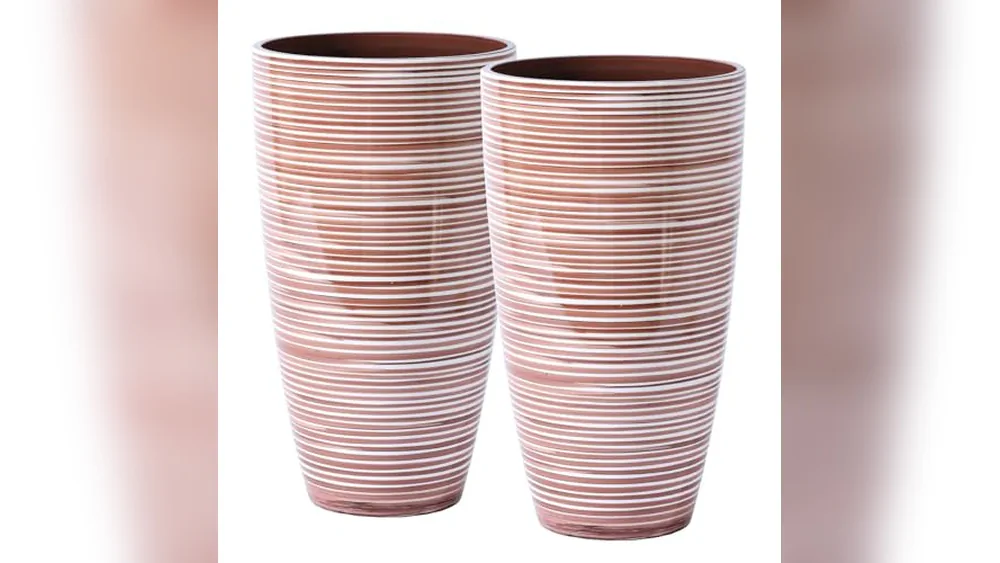
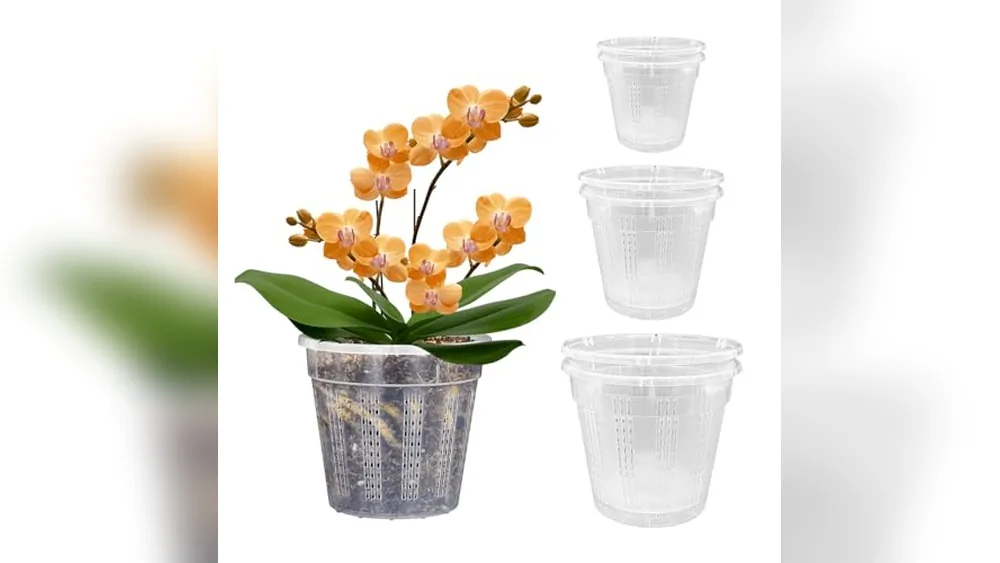
Size and Material of Planter: Larger pots (a minimum of 12-18 inches wide/deep) will accommodate larger root systems and hold more water. Terracotta breathes but dries fast; plastic or glazed ceramic holds water longer. Provide drainage holes to avoid waterlogged roots.
Needs and Maintenance for Watering: Containers dry out faster, especially in windy or hot weather. If you want a low-maintenance setup, opt for drought-tolerant plants such as lavender, succulents, or ornamental grasses. Hydrangeas and other plants that like wet feet need consistent moisture.
Soil and Fertiliser: Use well-draining potting mix with added perlite or vermiculite. Not garden soil, it compacts. Feed every 2-4 weeks with a balanced fertiliser during growth.
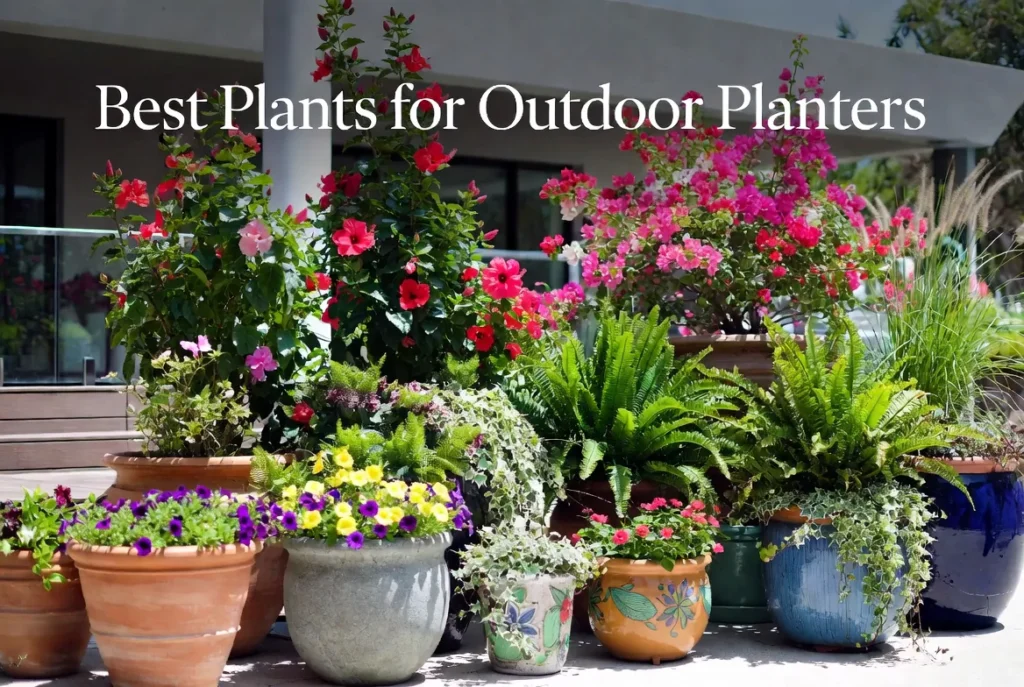
Planting Style: Use “thriller, filler, spiller” (tall, dramatic plants in the middle, mounding fillers around and spillers over edges) for lush, professional-looking containers.
Other considerations are wind exposure (select hardy plants), resistance to pests and attracting pollinators. Keeping these in mind, let’s explore top plant recommendations across categories.
The Top Flowering Plants for Outdoor Containers
Flowers instantly brighten and brighten containers. These are great picks that work super well.
Petunias and Calibrachoa (Million Bells) These prolific bloomers are container superstars. Petunias put out wave after wave of trumpet-shaped flowers in every colour imaginable and calibrachoa is a smaller version with non-stop blooms on trailing stems. They both love full sun and well drained soil. Supertunia and Superbells varieties are resistant to disease and weather. For cascading displays, plant in large hanging baskets or window boxes. Deadhead regularly for continuous bloom from spring through frost.
Geraniums (Pelargonium) Zonal geraniums are the classic planter favourite with bold clusters of red, pink or white blooms and scented foliage. Once established, they are tolerant of heat and drought. Ivy geraniums droop exquisitely. Best in full sun or partial shade.
Lantana: A tropical that loves heat and produces clusters of tiny flowers in bright multicolours (often changing shades on a single plant). It’s drought tolerant, a butterfly magnet and blooms all summer long. Great as a thriller, or a filler.
Begonias and Impatiens: Wax begonias or New Guinea impatiens are good for shade with glossy leaves and constant colour. Sunpatiens need more light. Rieger begonias offer graceful double flowers.
Dahlias: For pots, go for smaller varieties like those in the City Lights or Happy Days series. The dramatic focus points are the stunning dinner-plate or pom-pom flowers. Give them rich soil and stake their taller types.
Salvia and Angelonia: Spiky salvia (e.g. ‘Victoria Blue’) adds vertical interest and pollinator appeal. Angelonia, or summer snapdragon, is heat-tolerant and blooms like an orchid.
Verbena & Osteospermum: Verbena trailing softens edges with bright clusters of blooms. African daisies (Osteospermum). Daisy-like flowers in cool colours that close at night.
Other notable plants include marigolds for their pest-repelling properties, zinnias for cut flowers and fuchsias for hanging baskets in partial shade. Combine them for some striking combos – think red geraniums with trailing petunias and silver dichondra spillers.

These flowering plants beautify and support local ecosystems by attracting bees, butterflies and hummingbirds. With proper deadheading and feeding you will get months of blooms.
Eye-Catching Foliage and Ornamental Grasses for Texture and Interest Year-Round
While flowers may steal the show, foliage plants hold the structure and longevity.
Coleus. Grown in sun or shade, coleus plants are plants with multicoloured leaves in burgundy, lime and gold. Pinch tips for bushiness. Great fillers.
Heuchera (Coral Bells): Evergreen or semi-evergreen perennials with ruffled foliage in purple, caramel or chartreuse. Delicate flower spikes provide height. Hardy in many zones and great for part shade.
Hostas: Like shade and have broad, architectural leaves in various greens and variegations. Dwarf varieties work well in smaller pots. Beware of slugs.
Succulents and Hens-and-Chicks Sunny, well-drained planters are perfect for low-water options such as echeveria, sedum or sempervivum. Perfect for hot, dry patios or that rock garden feel.
Ornamental Grasses: these give movement and elegance. Purple fountain grass (Pennisetum) displays burgundy plumes and arching foliage. Japanese blood grass or carex add colour and texture. Low-maintenance and deer-resistant.
Elephant Ears (Colocasia / Alocasia) Big tropical leaves make jungle drama. Choose dwarf varieties for containers. Keep moist and in partial shade.
Sweet Potato Vine — Fast growing trailers in chartreuse, black or variegated tones. Bright flowers go beautifully with.
These foliage stars are the perfect way to keep your planters looking good between bloom cycles, for four-season appeal in milder climates.
Aromatic Herbs: Flavour, Fragrance and Function in Planters
Herbs are among the most rewarding container plants—useful, aromatic and lovely.

Basil: Genovese and Thai types need full sun and warm soil. Pinch to push. Harvest for pesto or stir-frying. Serve with tomatoes.
Rosemary: Evergreen shrub with needle-like leaves. Drought tolerant once established. Great for topiaries or upright thrillers Tuscan Blue is a patio favourite.
Thyme, Oregano and Sage are Mediterranean herbs, which enjoy sunny, dry conditions. Creeping thyme tumbles over edges, upright types give height. Sage has beautiful fuzzy leaves.
Mint: Hardy and invasive. Plant separately. Chocolate mint or peppermint for scent. Leaves for teas or garnishes.
Parsley, Cilantro and Chives Cool-season, partial sun. Chives have edible flowers. Cilantro bolts quickly in the heat but self seeds.
Lavender: English or Spanish types scented, full sun. Deer resistant and pollinator friendly.
Place herbs with similar water needs (e.g. Mediterranean herbs) together in a sunny spot near the kitchen. They keep bugs away and make meals better. Harvesting regularly keeps them productive.
Productive Planting of Edible Vegetables and Fruits
You don’t need a big garden to grow food. There are lots of vegetables that do very well in a container.
Tomatoes: Best are dwarf or determinate cherry varieties such as ‘Tiny Tim’ or ‘Patio Princess’. Use large pots ( 5+ gallons ) , stakes or cages , and consistent watering to avoid blossom end rot . Sun.
Peppers. Compact sweet bells or hot chillies. Love heat and grow well with fertiliser.
Leafy Greens Lettuce, spinach, kale and Swiss chard grow quickly in partial shade. Constant supply is assured by picking outer leaves. Perfect for spring/fall.
Radishes and Carrots: Fast growing for small pots. Select baby carrot varieties.
Cucumbers and Beans: bush or compact vining types on small trellises Companion nasturtiums add edibility and beauty.
Dwarf fruit trees & berries: Meyer lemon, fig or Raspberry Shortcake in large tubs. Afford winter protection in colder zones.
Strawberries: Try ever bearing types in hanging baskets or strawberry pots for a cascade of fruit.
Combine edibles with flowers for “edible landscaping” that tastes as good as it looks–marigolds with tomatoes or basil with peppers.
Shrubs, Small Trees & Perennials for Form
For long-term displays:
Dwarf Evergreens: Emerald Green arborvitae or boxwood for privacy screens and year-round greenery.
Hydrangeas. Big blooms in small pots. Dwarf varieties such as ‘Little Quick Fire’ are ideal.
Japanese Maples: Small varieties with brilliant autumn colour. Part shade and sheltered from wind.
Lavender and Perennial Salvias: Fragrant repeat bloomers.
These are the backbone to seasonal annual displays.
Design inspiration, frequent mistakes and care tips
Watering. In hot weather check the soil daily and water when the top inch is dry. Watering in the morning means less evaporation. Self-watering pots help.
Feeding: Slow release granules or liquid feeds. Over-fertilizing burns the roots.
Pests and Diseases: Look out for aphids, spider mites or powdery mildew. Neem Oil or Insecticidal Soap will do it. “Good air circulation prevents problems.
Overwintering: Bring tender plants indoors or insulate pots. With protection, hardy perennials can stay.
Seasonal Rotation: Fall/spring, refresh with cool-season plants.
Design ideas: theme gardens (herb or butterfly), vertical stacking, matching pots for cohesion, or monochromatic schemes (all pink). Employ an odd number of plants for visual balance.
Common mistakes: Under-potting, poor drainage, ignoring microclimates, or incompatible species planted together.
Conclusion: Start Your Container Garden Now
The world of outdoor planters is full of creativity and rewards. The best plants can transform ordinary spaces into extraordinary ones, from colourful petunias and fragrant herbs to dramatic grasses and fresh tomatoes. Play around, try, watch and enjoy, container gardening is forgiving and fun.
Choose wisely and look after your planters and they will thrive, providing beauty, food and happiness for years to come. From this guide get good soil, pots and your favourite plants. Your green thumb adventure awaits you!