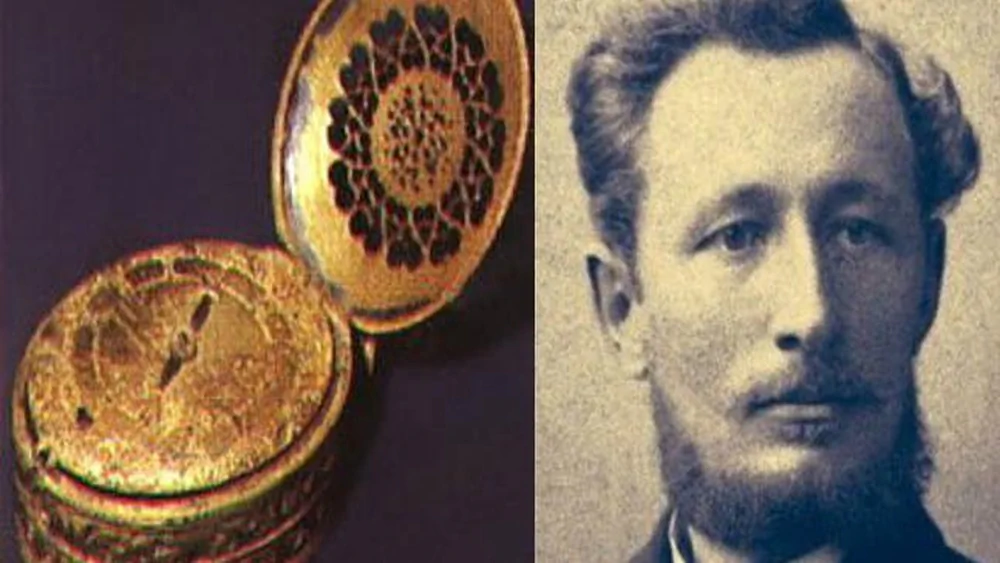
The story behind who found the clock is more than just a simple tale. It touches on curiosity, discovery, and the importance of time in human history. Today, clocks are everywhere, but the journey of finding and inventing clocks is filled with fascinating twists.
Let’s explore how the clock was found, who played a key role, and why this discovery changed our world.
The First Clock: Who Found It?
When people ask, “Who found the clock?” they usually mean, “Who invented the first mechanical clock?” The answer is not one person, but a group of inventors working across centuries. The concept of measuring time started long before mechanical clocks. Ancient civilizations used sundials, water clocks, and even candle clocks.
The mechanical clock, which we recognize today, was first developed in Europe during the 13th century. Most historians agree that the earliest mechanical clocks appeared in monasteries. These clocks helped monks keep track of prayer times. Monks wanted a way to signal the time for prayers without relying on sunlight or weather. Their need pushed inventors to experiment with new technologies.
Key figures:
- Richard of Wallingford (England, 14th century): Built the famous Clock of St. Albans. His work included not only telling the hour but also showing the positions of the moon and stars.
- Giovanni de Dondi (Italy, 14th century): Created the Astrarium, a complex astronomical clock. De Dondi’s clock could show the movement of planets, which was a huge step for science at the time.
While it is hard to name one person as “the founder,” these inventors made huge steps forward. Their inventions were often the result of many smaller experiments by unknown craftsmen. Sometimes, the builders were not famous, but their ideas became the foundation for later advances.
Early Timekeeping Devices
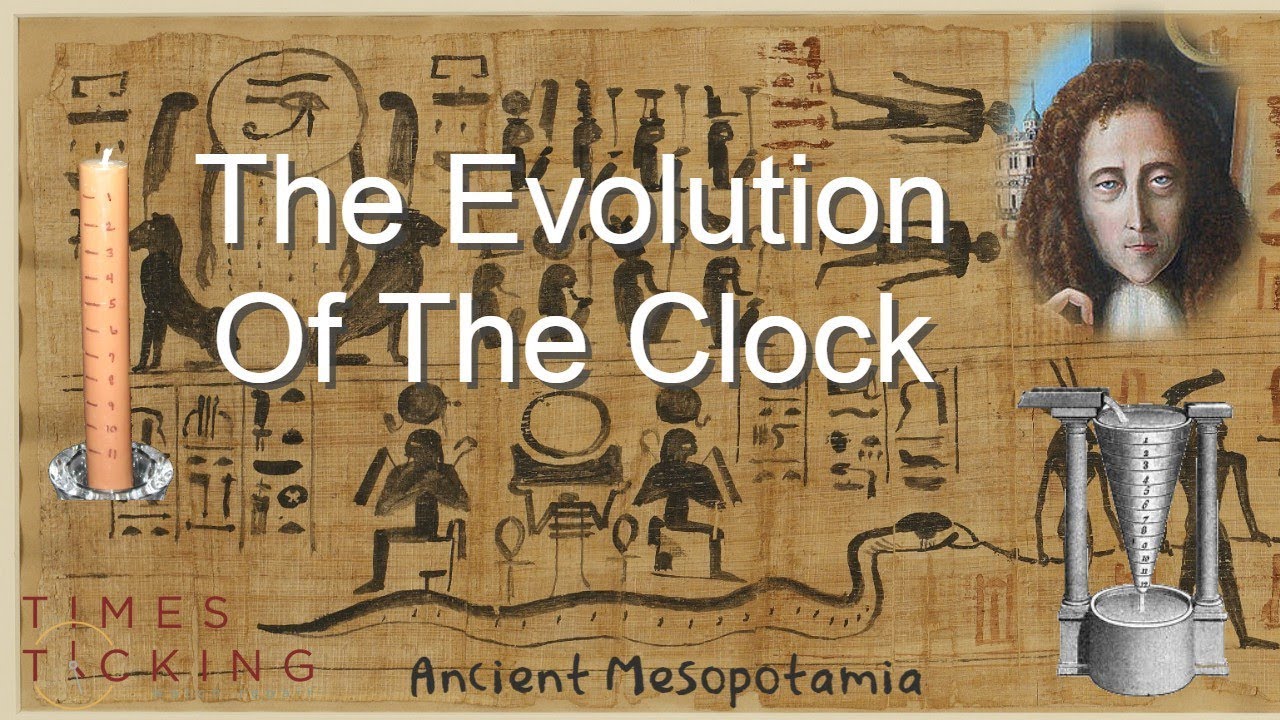
Before mechanical clocks, humans used simple tools to track time. Here are some early devices:
- Sundial: Used the sun’s shadow to show time. Sundials were reliable in sunny regions and were often placed in public spaces for everyone to use.
- Water clock (Clepsydra): Measured time by water flow. Water clocks were used in temples and courts, especially in ancient Greece, Egypt, and China.
- Hourglass: Used sand to measure short periods. Hourglasses became popular for tasks like timing speeches, cooking, or church ceremonies.
Each device had limits. Sundials only worked in daylight. Water clocks needed constant care. Hourglasses measured only a set amount of time and could not be reset easily for longer periods.
| Device | Inventor/Origin | Main Limitation |
|---|---|---|
| Sundial | Ancient Egypt | Only works with sunlight |
| Water clock | Ancient Greece & China | Needs water, not precise |
| Hourglass | Europe (8th century) | Fixed duration |
Some early societies also used candle clocks and incense clocks. Candle clocks measured time by burning candles at a steady rate. In Asia, incense clocks burned special sticks with markings to show the passage of time. These methods show how creative humans were in solving the problem of measuring hours.

The Mechanical Clock Revolution
Mechanical clocks brought big changes. They used weights, gears, and escapements to measure time more accurately. This was a leap forward compared to earlier tools. The invention of the escapement mechanism allowed clocks to tick regularly, turning continuous motion into measured intervals.
Major Developments
- Escapement mechanism: This device allowed clocks to “tick,” dividing time into equal parts. The earliest escapements were simple, but they made it possible to build clocks that could run for days without needing to be reset.
- Tower clocks: First appeared in churches and city halls. These public clocks helped whole communities. Towns relied on the sound of bells to organize daily routines and special events.
| Year | Location | Type of Clock | Key Feature |
|---|---|---|---|
| 1283 | England | Tower Clock | Used weights and gears |
| 1336 | Milan, Italy | Tower Clock | Struck bells every hour |
| 1386 | Salisbury, England | Cathedral Clock | Oldest working mechanical clock |
Mechanical clocks were often large and built for public spaces. They became symbols of progress and wealth. Some cities competed to build the most impressive clock towers. The sound of bells ringing every hour brought a sense of order that was new to many communities.
How Clocks Changed Lives
The invention of the mechanical clock made life more organized. People could schedule work, meetings, and events with accuracy. Here are some ways clocks changed society:
- Work schedules: Factories and offices needed precise time. As cities grew, workers and bosses relied on clocks to know when to start and finish tasks.
- Public life: Towns could coordinate activities. Festivals, markets, and religious ceremonies all depended on accurate timekeeping.
- Navigation: Sailors used clocks for sea travel. Knowing the exact time helped them calculate longitude, making ocean journeys safer and more reliable.
Non-obvious insight: Early clocks did not have hands or faces. They rang bells to mark hours. Only later did inventors add faces and hands for visual timekeeping. The addition of a clock face allowed people to see the time, not just hear it, making clocks more useful for daily life.
Another detail many miss: Early mechanical clocks could not be moved easily. They were fixed in towers or buildings, unlike today’s portable watches and phones.
Famous Clocks And Their Inventors
Some clocks are famous for their design and history. Here are a few:
- Big Ben (London): Designed by Edmund Beckett Denison in 1859. Big Ben is known for its loud chimes and accuracy, even in harsh weather.
- Astronomical Clock (Prague): Created by Mikuláš of Kadan and Jan Šindel in 1410. This clock shows not only the hour, but also the movement of the sun, moon, and zodiac signs.
- Clock of St. Albans: Built by Richard of Wallingford in the early 14th century. This clock was advanced for its time, showing both standard time and astronomical events.
| Clock Name | Inventor | Location | Year |
|---|---|---|---|
| Big Ben | Edmund Beckett Denison | London, England | 1859 |
| Astronomical Clock | Mikuláš of Kadan & Jan Šindel | Prague, Czech Republic | 1410 |
| Clock of St. Albans | Richard of Wallingford | St. Albans, England | 1326 |
Some clocks are also famous for their artistry. For example, the Strasbourg Cathedral clock in France combines engineering and beautiful decorations, attracting visitors from around the world.
Common Myths About Who Found The Clock
Many people believe one person invented the clock. This is not true. The mechanical clock was a group effort across many countries and years. Another myth is that clocks were always accurate. In fact, early clocks could be off by 15 minutes or more each day. People often needed to reset them daily to keep time close to correct.
Non-obvious insight: Some early inventors were not scientists, but craftsmen or monks with practical skills. They often learned by trial and error, using simple materials like wood and iron.
Another common myth is that clocks were expensive and rare. While early mechanical clocks were costly, over time, smaller and cheaper clocks became available, allowing ordinary people to own them.
The Modern Clock
Today, clocks are everywhere—from phones to computers to satellites. Modern clocks use quartz crystals or atomic technology. Quartz clocks rely on the vibration of crystals, making them much more accurate than mechanical ones. The most accurate clock, the atomic clock, can measure time to billionths of a second.
Atomic clocks are so precise that they are used for scientific research, GPS navigation, and even keeping world time standards. Without atomic clocks, technologies like global positioning and internet time sync would not work properly.
If you want to read more about the history and science of clocks, visit Wikipedia.
Frequently Asked Questions
Who Invented The First Mechanical Clock?
The first mechanical clocks were made in Europe during the 13th century. No single person invented them, but Richard of Wallingford and Giovanni de Dondi were key inventors. Many smaller inventors and craftsmen also contributed important parts.
What Was Used Before Clocks?
People used sundials, water clocks, and hourglasses to measure time before mechanical clocks. In Asia, incense clocks were also common, showing the creativity of different cultures.
Why Did Monks Build Early Clocks?
Monks needed clocks to keep prayer schedules. These clocks helped organize daily life in monasteries. The regular ringing of bells marked important moments, helping monks focus on their duties.
How Accurate Were Early Clocks?
Early mechanical clocks were not very accurate. They could lose or gain up to 15 minutes per day. Improvements like the pendulum and spring made clocks more reliable later.
What Is The Most Accurate Clock Today?
The atomic clock is the most accurate, used in science and GPS technology. It is so precise, it can measure tiny fractions of a second, helping keep world time standards.
The journey of finding the clock is a story of invention, teamwork, and progress. From simple sundials to atomic clocks, humans have always searched for ways to measure time. This discovery shaped our world, giving us structure and precision in everyday life.
By understanding who found the clock and how it evolved, we see how creative thinking and persistence can solve big problems and change society forever.