How Can You Get Planters Warts? Plantar warts can show up suddenly and make walking uncomfortable. They often appear on the soles of your feet and might look like rough, grainy growths. Many people wonder how these warts form and why some get them while others don’t.
Understanding the causes and risks can help you avoid this common foot problem.
What Are Plantar Warts?
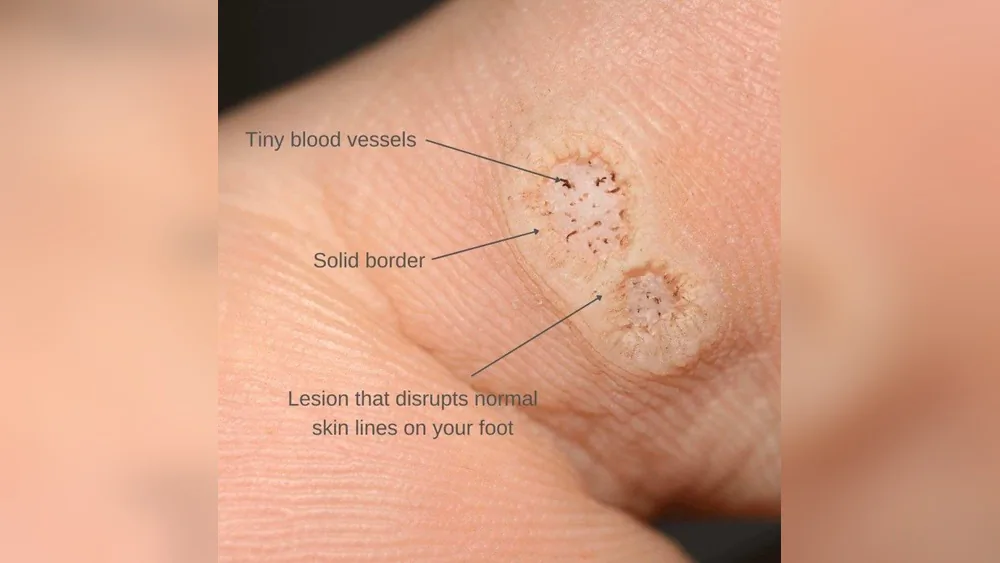
Plantar warts are small, rough growths that usually develop on the bottom of the feet. They are caused by the human papillomavirus (HPV), a very common virus. Plantar warts may look like calluses, but they often have tiny black dots inside them. These dots are actually small, clotted blood vessels.
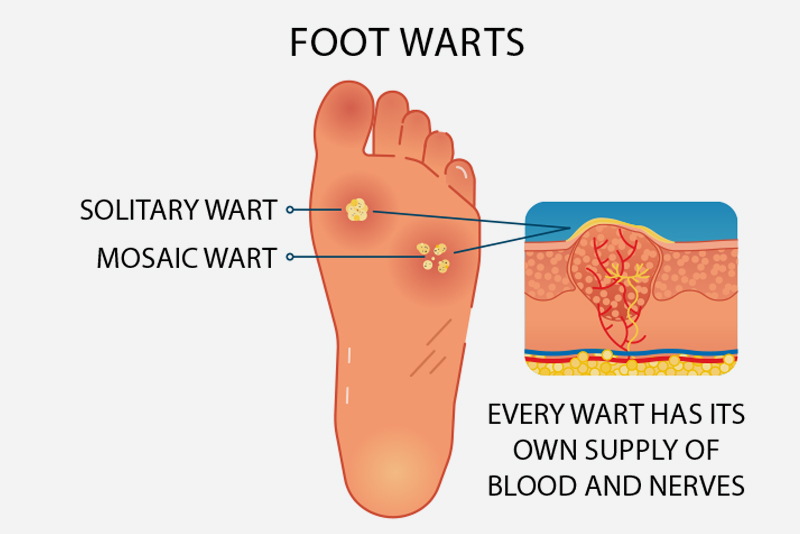
Unlike warts on other body parts, plantar warts grow inward because of the pressure from standing or walking. Sometimes, they come alone, but often, they appear in clusters called “mosaic warts. They can be painful, especially when walking or standing for long periods.
How Do You Get Plantar Warts?
The HPV virus that causes plantar warts enters the body through small cuts or weak spots on the bottom of your feet. You cannot get plantar warts just by touching someone else’s wart. However, the virus spreads easily in certain environments.
Common Ways You Can Catch The Virus
1. Public Showers And Locker Rooms
Warm, moist places like public showers, swimming pools, and locker rooms are breeding grounds for HPV. Walking barefoot in these areas increases your risk.
2. Direct Contact With The Virus
Touching surfaces or objects contaminated with HPV, such as towels, shoes, or floors, can transfer the virus to your skin.
3. Skin Injuries Or Cracks
If you have small cuts, scrapes, or dry, cracked skin on your feet, the virus can enter more easily.
4. Weakened Immune System
People with a weaker immune system are more likely to get plantar warts, as their bodies have a harder time fighting off the virus.
Who Is Most At Risk?
Anyone can get plantar warts, but some groups are more likely than others. Children and teenagers are more at risk because they often walk barefoot in shared spaces. People with conditions like diabetes or those who take immunosuppressive drugs may also be more susceptible.
Plantar Warts Vs. Other Foot Problems
It’s easy to confuse plantar warts with other common foot issues, like corns or calluses. Here’s how they compare:
| Feature | Plantar Wart | Corn | Callus |
|---|---|---|---|
| Cause | HPV infection | Pressure/friction | Pressure/friction |
| Appearance | Rough, with black dots | Hard, raised center | Thick, rough area |
| Pain | Painful when squeezed | Painful when pressed | Usually painless |
| Location | Sole of foot | Toes, top of foot | Weight-bearing areas |
Why Do Some People Get Plantar Warts More Easily?
Even if two people walk barefoot in the same pool area, only one may get a wart. This is partly due to differences in immune system strength and skin health. Also, some people may have natural resistance to certain HPV types.
Less Obvious Risk Factors
- Foot sweating: Constantly sweaty feet create a moist environment where HPV thrives.
- Sharing shoes or socks: Using someone else’s footwear or towels increases exposure.
- Frequent minor injuries: Athletes, dancers, or those with foot deformities may have more small cuts, increasing their risk.

Preventing Plantar Warts
You can take simple steps to reduce your risk:
- Wear shower shoes or flip-flops in public showers and pool areas.
- Keep your feet clean and dry.
- Avoid sharing towels, socks, or shoes.
- Treat cuts or scrapes on your feet quickly.
- Change socks daily to prevent moisture buildup.
Here’s a quick comparison of prevention habits and their effectiveness:
| Prevention Method | Effectiveness (1-5) |
|---|---|
| Wearing shower shoes | 5 |
| Daily foot washing | 4 |
| Avoiding shared towels | 4 |
| Changing socks often | 3 |
| Disinfecting shoes | 3 |
What To Do If You Get A Plantar Wart
Most plantar warts go away on their own, but it can take months or even years. Over-the-counter treatments with salicylic acid can help, but you need to use them consistently. If warts are painful, spreading, or not improving, see a podiatrist or dermatologist. Treatments include:
- Cryotherapy (freezing the wart)
- Prescription creams
- Minor surgery to remove the wart
- Laser treatment
Many people try to remove warts at home, but picking or cutting them increases infection risk and can make things worse. Always follow safe, proven methods.
Non-obvious Insights About Plantar Wart Transmission
- The virus can live for weeks on moist surfaces. This means HPV may still be present long after a person with a wart has used a shower or pool.
- You can “self-infect”: If you touch a wart on your own foot, then scratch or touch another part of your foot, you may help the virus spread.
When To See A Doctor
If a plantar wart changes in appearance, bleeds, grows rapidly, or becomes extremely painful, seek medical advice. This is especially important for people with diabetes or weak immune systems.
For more information on HPV and warts, you can visit the Centers for Disease Control and Prevention.

Frequently Asked Questions
What Causes Plantar Warts?
Plantar warts are caused by certain types of human papillomavirus (HPV). The virus enters through tiny cuts or weak spots on the feet.
Can You Get Plantar Warts From Someone Else?
Yes, but not directly. You usually get the virus from contaminated surfaces, not from direct skin-to-skin contact.
How Long Can Hpv Survive On Surfaces?
HPV can survive for days to weeks on moist surfaces like locker room floors and pool decks.
Are Plantar Warts Dangerous?
Most plantar warts are not dangerous, but they can be painful and may spread if untreated. They are more serious for people with diabetes or poor circulation.
Will Plantar Warts Go Away On Their Own?
Many plantar warts eventually disappear as the body fights off the virus, but this can take a long time. Treatment can speed up the process and reduce pain.
Plantar warts are common and can be frustrating, but knowing how you get them makes prevention much easier. Protect your feet in public places, keep them clean and dry, and don’t ignore small injuries. If you suspect a plantar wart, act early to prevent spread and discomfort.