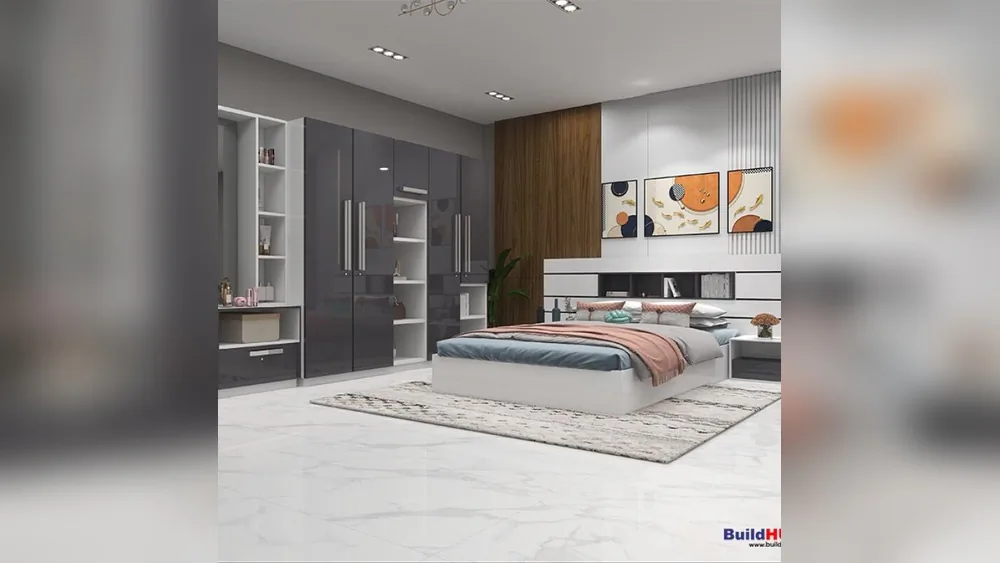
Designing your bedroom furniture is more than just picking pieces—it’s about creating a space where comfort meets style, and where every item feels just right for you. Whether you want your bedroom to be a cozy retreat or a sleek, modern haven, knowing how to design your furniture layout and choose the right elements can transform the entire room.
In this guide, you’ll discover simple yet powerful tips to avoid common design mistakes, achieve perfect balance, and create a bedroom that feels both functional and inviting. Ready to turn your bedroom into the space you’ve always dreamed of? Let’s dive in and make your vision come to life.
Common Bedroom Design Mistakes
Designing bedroom furniture involves more than picking stylish pieces. Many people make simple mistakes that hurt the room’s look and feel. Avoiding common errors helps create a cozy, functional space that feels just right.
These mistakes often cause clutter, imbalance, and poor use of space. Knowing them helps you plan better and enjoy your bedroom more.
Overcrowding The Room
Adding too much furniture makes the room feel small and messy. Choose only essential pieces that fit well. Leave enough space to move around freely. Crowded rooms reduce comfort and calmness.
Ignoring Scale And Proportion
Select furniture that matches the room size. Large beds or dressers can overwhelm small rooms. Small furniture in big spaces looks lost. Balance size and shape to create harmony.
Poor Furniture Placement
Placing furniture without planning blocks pathways and windows. Avoid putting beds under low windows or doors. Arrange pieces to allow easy walking and natural light flow.
Lack Of Storage Solutions
Skipping storage options leads to cluttered surfaces and floors. Include dressers, nightstands, or shelves for neatness. Good storage keeps the room clean and organized.
Choosing The Wrong Colors
Bright, bold colors can make the room feel busy or stressful. Soft, neutral tones create calm and relaxation. Match colors to the room’s size and lighting for best effect.
Using Odd Number Groupings
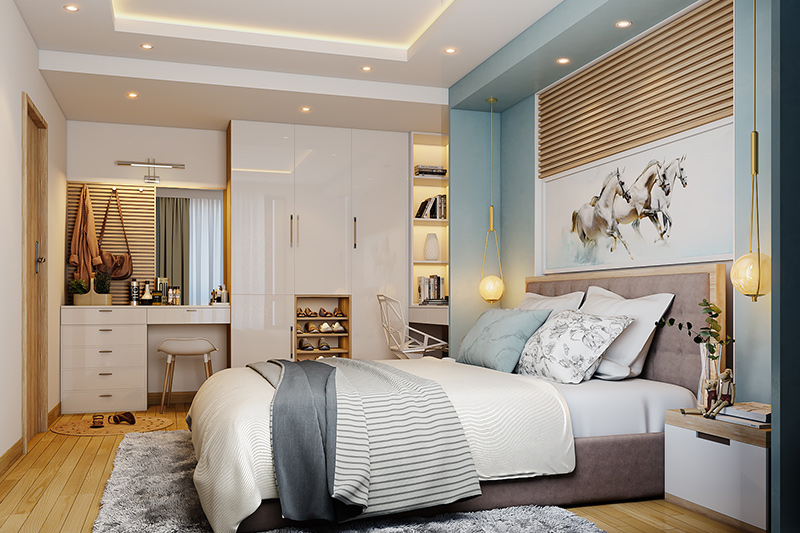
Using odd number groupings in bedroom furniture design adds charm and life to your space. Grouping items in threes, fives, or sevens creates natural and pleasing arrangements. This method breaks the monotony and invites the eye to explore the setting. It helps avoid stiff or overly symmetrical designs, making the room feel more relaxed and curated.
Visual Interest And Energy
Odd numbers create a dynamic look in any space. The eye moves smoothly around the group, avoiding a flat or boring feel. This energy keeps the room lively. It helps to showcase each piece without overwhelming the senses. Odd groupings make your furniture and decor feel intentional and thoughtful.
Creating Balance With Asymmetry
Balance does not mean perfect symmetry. Odd numbers allow for asymmetrical balance, which feels more natural. For example, placing two chairs on one side and a single table on the other balances the room. This type of balance adds depth and interest. It prevents the setup from looking too forced or uniform.
Establishing A Focal Point
An odd number of items often centers around one main piece. This piece acts as a focal point that draws attention. Surrounding it with other items adds layers and depth. The focal point helps anchor the room’s design. It directs how people experience the space.
Examples For Different Surfaces
On a nightstand, group a lamp, a small plant, and a book. On a dresser, place a vase, a photo frame, a candle, and two small trays. A long console table can hold seven items of different heights and textures. Wall art looks great in groups of three or five frames. These combinations fit well on various bedroom surfaces.
Choosing Variety And Scale
Mix items with different textures, shapes, and heights. Variety makes the group more interesting and rich. Scale matters too; three items suit small spaces like nightstands. Five or seven items fit better on larger surfaces like dressers or console tables. Keeping the scale right ensures the group feels balanced and not crowded.
Balancing Elements With The Two-thirds Rule
Balancing elements with the two-thirds rule helps create a calm and inviting bedroom. This design principle means a main piece takes up about two-thirds of the space. The remaining one-third offers room to breathe visually. This balance prevents overcrowding and makes the room feel intentional and neat. Applying this rule to furniture, art, rugs, and accessories brings harmony and style to your bedroom.
Furniture Placement Guidelines
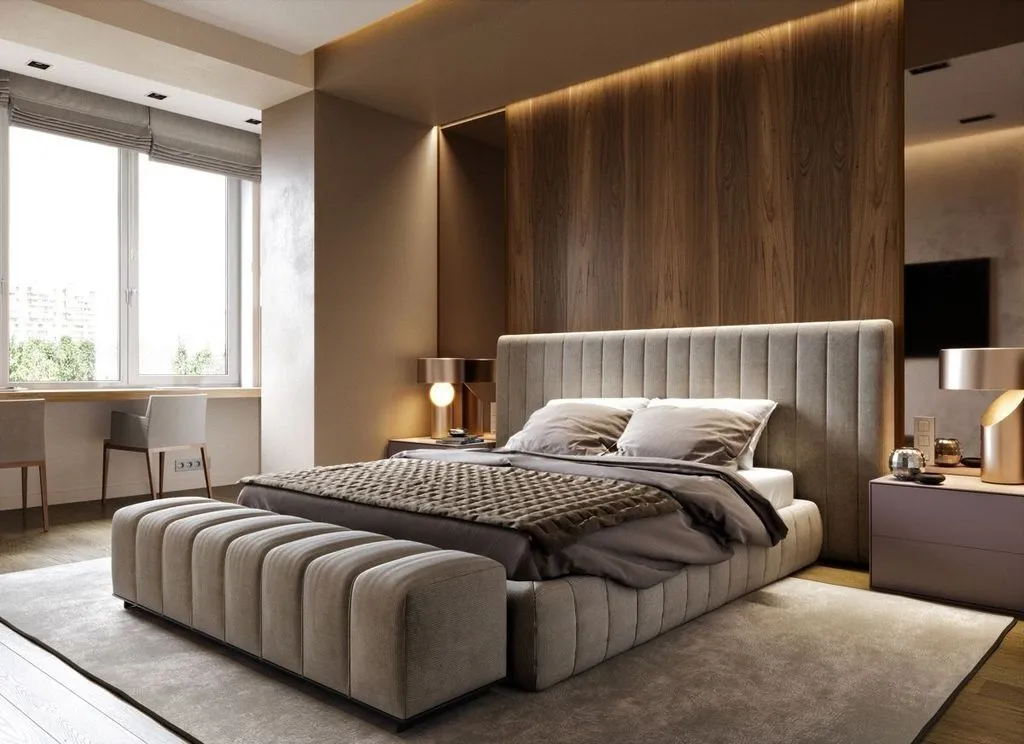
Place large furniture so it fills about two-thirds of a wall or floor area. Avoid pushing pieces to cover the entire space. Give each item enough room to stand out. For example, a bed might take up two-thirds of the wall behind it. Side tables or dressers fill the rest. This method keeps the room balanced and organized.
Proper Scale For Tables And Art
Choose tables about two-thirds the length of nearby furniture like the bed or sofa. This size ratio looks natural and fits the space well. Wall art should also follow this rule. Artwork occupying two-thirds of the wall above furniture creates focus. Smaller or larger art can feel off-balance or cramped. Keep pieces proportional for a clean, pleasing look.
Rug And Accessory Sizing
Select rugs that cover two-thirds of the floor area under furniture. This size anchors the room without overpowering it. Accessories such as lamps or decor items should also fit the space. Group items in odd numbers like three or five for natural appeal. Keep accessories within the two-thirds visual space to avoid clutter.
Benefits Of Visual Balance
Visual balance makes your bedroom feel peaceful and welcoming. It draws the eye comfortably across the space. Balanced rooms look well-planned and stylish without effort. This harmony helps reduce stress and makes the room more relaxing. The two-thirds rule supports this balance by controlling furniture and decor size.
Enhancing Flow And Proportion
Flow improves when furniture fits well and leaves space to move. Proportion links all elements in size and style. Using the two-thirds rule keeps proportions consistent. It stops the room from feeling crowded or empty. This balance improves comfort and usability in your bedroom.
Mixing Patterns And Textures
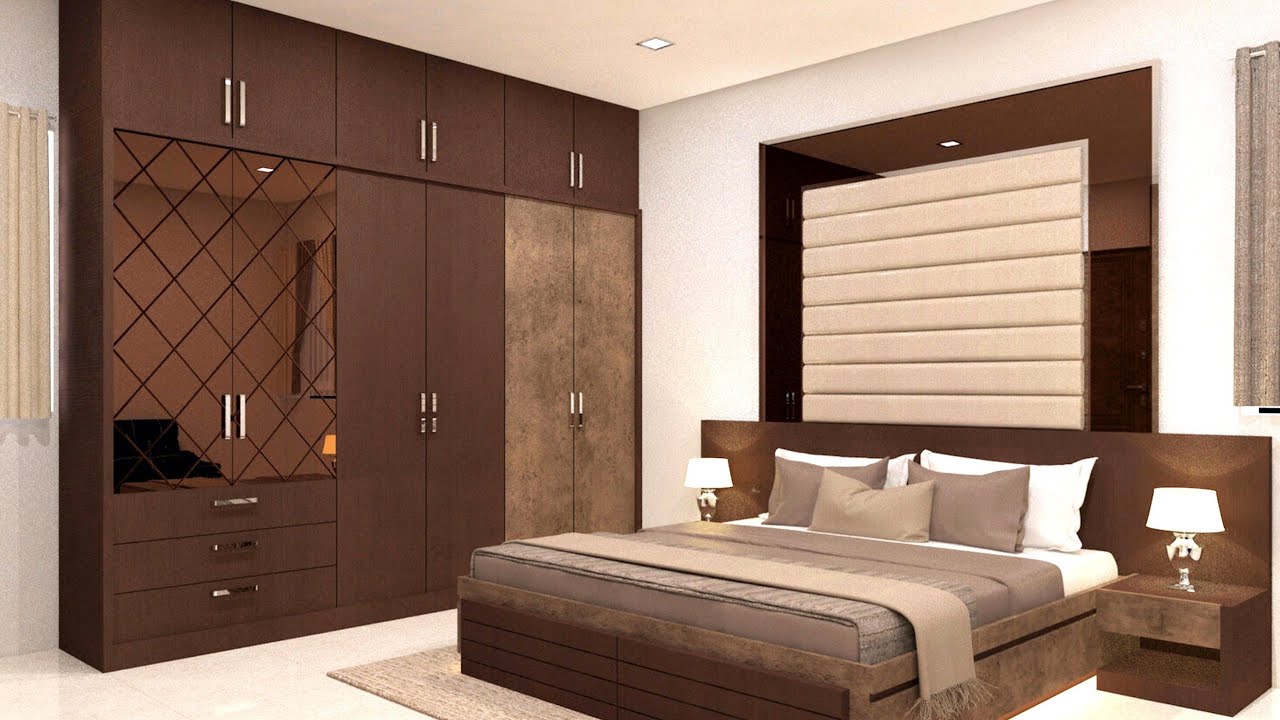
Mixing patterns and textures brings depth and personality to bedroom furniture design. It breaks the monotony of a single style, creating a lively and inviting space. Thoughtful combinations add charm without overwhelming the room. Simple techniques help balance these elements for a stylish finish.
Combining Multiple Patterns
Start by choosing patterns that share a color palette. Stripes, florals, and geometric shapes work well together if colors match. Use different scales—small prints paired with larger ones create harmony. Limit the number of patterns to three for a balanced look. Introduce solids between patterns to give the eyes a rest.
Blending Design Periods
Mix modern and vintage furniture pieces to add contrast. Pair a sleek, contemporary bed with a rustic wooden nightstand. Blend mid-century chairs with classic dressers for a fresh feel. This approach adds character and tells a story. Keep shapes simple to avoid visual chaos.
Incorporating Colors And Materials
Choose colors that complement each other for cohesion. Warm tones like beige and brown feel cozy with textured fabrics like wool or leather. Cool colors like blue pair well with smooth materials like glass or metal. Mix soft textiles with hard surfaces to add interest and comfort. Use natural materials for an earthy touch.
Achieving A Curated Eclectic Look
Layer patterns and textures thoughtfully to create a collected style. Add vintage rugs with bold prints under a modern bed frame. Use cushions of varied fabrics and patterns on the same chair. Group decor items in odd numbers to enhance visual appeal. This look feels personal and welcoming without clutter.
Frequently Asked Questions
What Is The 3 5 7 Rule In Interior Design?
The 3-5-7 rule in interior design means grouping decor items in odd numbers—three, five, or seven—for balanced, dynamic, and natural-looking arrangements. It enhances visual interest, creates focal points, and offers asymmetrical balance in any space.
What Is The 2/3 Rule Furniture?
The 2/3 rule in furniture means a main piece occupies about two-thirds of a space. This creates balance, flow, and proper scale in room design. For example, a sofa should cover two-thirds of a wall, and a coffee table should be two-thirds the sofa’s length for visual harmony.
What Is The 3 4 5 Rule In Interior Design?
The 3-4-5 rule in interior design uses odd-numbered groupings (3, 4, or 5 items) for balanced, dynamic decor arrangements. It creates visual interest, asymmetrical balance, and natural focal points, enhancing room aesthetics and flow.
What Is The 70/30 Rule In Interior Design?
The 70/30 rule in interior design means a main element occupies 70% of space, while 30% remains open. This creates balance, flow, and visual comfort.
Conclusion
Designing bedroom furniture takes thoughtful choices and balance. Use odd numbers in decor for a natural look. Keep main pieces about two-thirds of the space for balance. Mix different textures and heights to add interest. Leave some empty space to avoid clutter and keep it calm.
Simple, well-planned furniture helps create a cozy and functional bedroom. Enjoy making your space comfortable and stylish with these easy tips. Your bedroom can become a peaceful retreat you love.