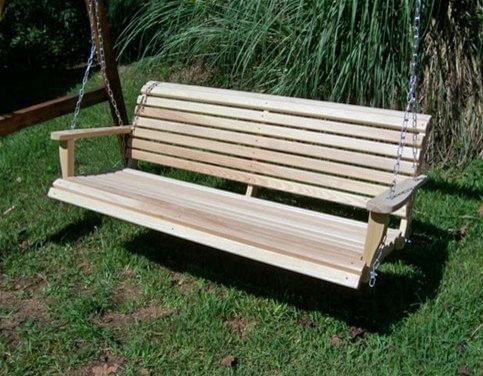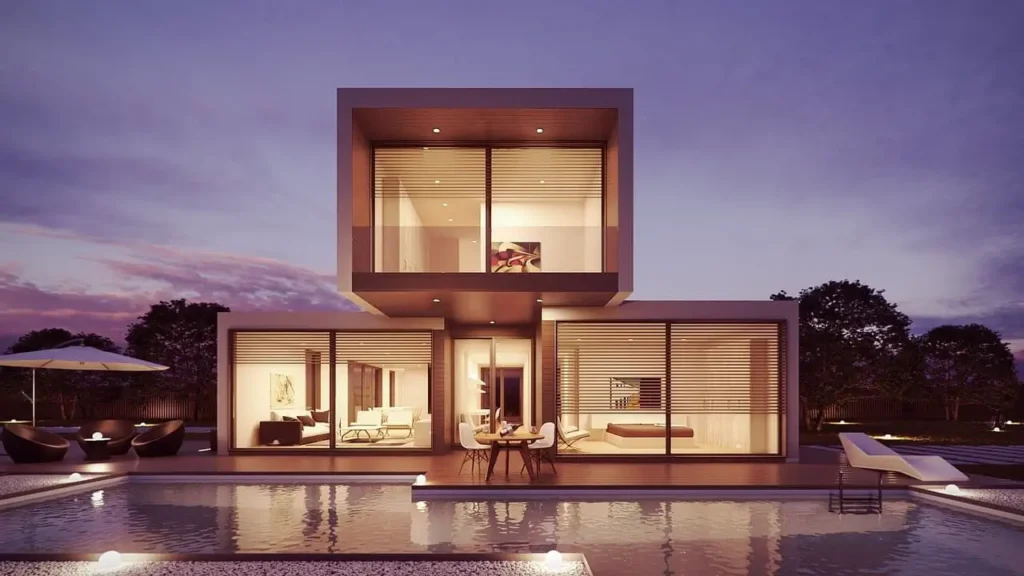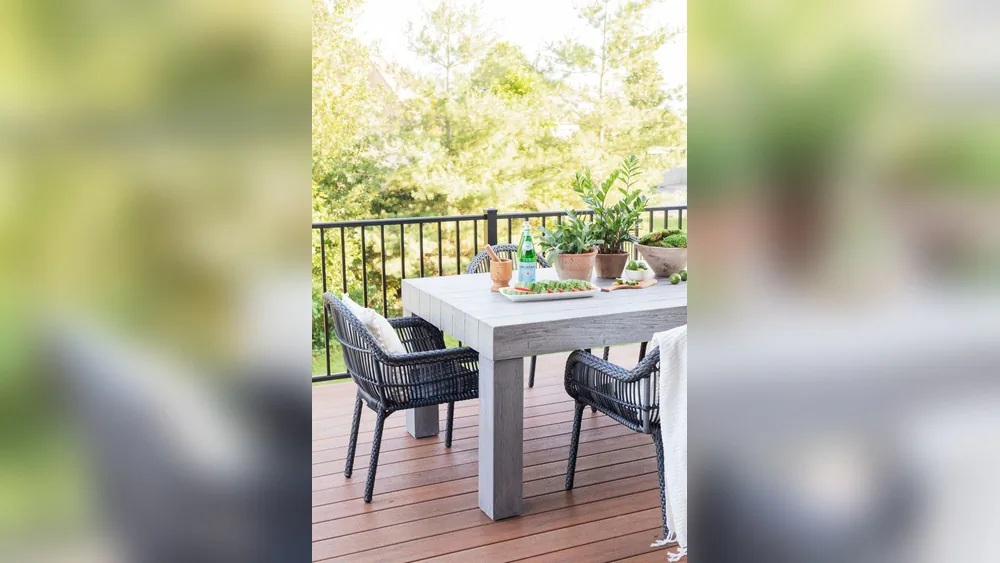
What Wood is Best for Outdoor Furniture, you probably imagine relaxing on a sturdy wooden bench, enjoying a meal at a picnic table, or lounging under the sun on a deck chair. But not all wood is the same, especially when it comes to outdoor use.
The weather, insects, and time can turn a beautiful piece of furniture into a worn-out object if you choose the wrong wood. So, what wood is best for outdoor furniture? Let’s dive into the qualities, options, and expert tips to help you make the right choice and enjoy your outdoor space for years.
Why Wood Choice Matters For Outdoor Furniture
Wood is a living material. It expands and contracts as the temperature and humidity change. Outdoors, wood faces rain, sun, wind, and sometimes snow. If you use the wrong type of wood, your furniture can warp, crack, rot, or get eaten by bugs.
That’s why it’s important to understand which woods work best outside.
Some woods are naturally strong against these outdoor challenges. Others need special treatments or finishes. Many people make the mistake of picking wood just because it looks nice or is cheap, but that often leads to disappointment. Picking the right wood is the first step in making sure your outdoor chairs, tables, and benches last for many seasons.
Qualities Of Good Outdoor Wood
Before you look at specific types of wood, it helps to know what makes a wood good for outdoor use.
1. Natural Resistance To Decay
Decay resistance means the wood can fight off fungus, mold, and rot. Some woods have natural oils or chemicals inside that protect them. Others, like pine, rot quickly unless you treat them.
2. Resistance To Insects
Termites and other insects love to eat wood. Some woods are naturally too dense, oily, or bitter for bugs. Others need chemical treatments to be protected.
3. Strength And Hardness
Outdoor furniture gets a lot of use. Hardwoods like teak or iroko are less likely to dent or get damaged.
4. Stability
Outdoor wood should not warp or twist easily. Stable woods expand and contract less with changes in moisture.
5. Maintenance Needs
Some woods require regular oiling or sealing. Others can be left alone and still last for decades. Think about how much time you want to spend on upkeep.
6. Appearance Over Time
Some woods, like teak, turn a beautiful silver-grey with age. Others lose their color or get patchy. Decide whether you like the look of aged wood or want your furniture to stay the same color.
Top Woods For Outdoor Furniture
Let’s look at the best woods you can use for outdoor furniture, their pros and cons, and what makes each unique.
1. Teak
Teak is often called the king of outdoor woods. It’s famous for its golden-brown color and smooth texture.
- Natural oils: Teak is full of oils that protect it from water, insects, and rot.
- Durability: Furniture made from teak can last 50 years or more outdoors.
- Low maintenance: You can leave it unfinished, and it will develop a silver patina.
- Drawbacks: Teak is expensive and sometimes hard to find. Some teak comes from unsustainable logging, so look for certified sources.
2. Ipe (Brazilian Walnut)
Ipe is a very dense and hard wood from South America.
- Strength: Ipe is so tough it’s used for decking in public parks.
- Rot and insect resistance: Almost as good as teak.
- Appearance: Dark brown, sometimes with greenish or reddish tones.
- Drawbacks: Very heavy and hard to work with. Needs special tools for cutting and drilling.
3. Eucalyptus
Eucalyptus is a fast-growing, renewable hardwood.
- Natural resistance: Not as strong as teak, but still good against decay.
- Eco-friendly: Often grown on plantations.
- Affordable: Much cheaper than teak.
- Drawbacks: Needs regular oiling to prevent cracking and maintain color.
4. Acacia
Acacia is another popular hardwood for outdoor furniture.
- Durability: Withstands outdoor conditions well.
- Attractive: Warm color and interesting grain patterns.
- Affordable: Less expensive than teak or ipe.
- Drawbacks: Needs oiling to prevent drying out or cracking.
5. Cedar
Cedar, especially Western Red Cedar, is a softwood but is widely used outdoors.
- Natural oils: Protect against moisture, rot, and insects.
- Lightweight: Easy to move and work with.
- Aromatic: Pleasant smell.
- Drawbacks: Softer than hardwoods; can dent and scratch easily.
6. Redwood
Redwood comes from the California redwood tree.
- Decay resistance: Excellent, thanks to natural chemicals.
- Appearance: Rich reddish color that looks great when new.
- Workability: Easy to cut and shape.
- Drawbacks: Expensive and not always available outside the U.S.
7. White Oak
White oak is different from red oak. Only white oak is suitable for outdoor use.
- Density: Very strong and hard.
- Water resistance: Tight grain makes it good for boats and outdoor furniture.
- Drawbacks: Heavy and can be costly.
8. Mahogany
Mahogany is a classic choice for outdoor furniture.
- Decay resistance: Good, but varies by species.
- Looks: Deep reddish-brown color.
- Workability: Easy to shape and sand.
- Drawbacks: Quality and durability depend on the specific type of mahogany.
9. Shorea
Shorea is less known but similar to teak.
- Durability: Very resistant to rot and insects.
- Eco-friendly: Often from sustainable sources.
- Drawbacks: Can be heavy.
10. Cypress
Cypress is a softwood with natural preservative oils.
- Decay resistance: Good, especially the heartwood.
- Workability: Easy to shape.
- Drawbacks: Needs regular sealing for best results.
How Popular Woods Compare
To help you see the differences, here’s a comparison of some top choices:
| Wood Type | Durability | Maintenance | Cost | Appearance Over Time |
|---|---|---|---|---|
| Teak | Excellent | Low | High | Silvery-grey patina |
| Ipe | Excellent | Low | High | Darkens with age |
| Eucalyptus | Good | Medium | Medium | Fades to silver |
| Cedar | Good | Low | Medium | Greys over time |
| Acacia | Good | Medium | Low | Fades unless oiled |
Lesser-known Woods For Outdoor Furniture
Besides the main options, there are some lesser-known woods that work well outdoors. They might be available in your region or offer a unique look.
1. Roble
Roble is a South American wood, sometimes called South American oak.
- Durability: Similar to teak but more affordable.
- Appearance: Pale yellow color that ages well.
- Drawbacks: Not as widely available.
2. Iroko
Iroko is sometimes called “African teak” because it shares many qualities with teak.
- Weather resistance: Very good for outdoor use.
- Workability: Easier to work with than ipe.
- Drawbacks: Some pieces can have wild grain, making them harder to sand.
3. Jarrah
Jarrah is an Australian hardwood.
- Color: Rich red tones.
- Durability: Highly resistant to rot and insects.
- Drawbacks: Can be expensive outside Australia.
4. Black Locust
Black Locust grows in North America and Europe.
- Rot resistance: One of the best among native woods.
- Sustainability: Fast-growing and renewable.
- Drawbacks: Can be hard to find large pieces.
Pressure-treated Wood: A Budget Option
If you want something more affordable, pressure-treated pine is often used for outdoor furniture. The wood is treated with chemicals to resist rot and insects.
- Benefits: Inexpensive, widely available.
- Downsides: Can look less attractive, sometimes feels rough, and chemicals may be a concern for some people.
If you use pressure-treated wood, always use paint or an outdoor sealant to protect the surface and make it look better.

How To Choose The Right Wood For Your Needs
Picking the best wood is not just about durability. Your personal needs, style, and budget are important.
Consider Your Climate
- Wet climates: Choose woods with excellent decay resistance, like teak, ipe, or cypress.
- Dry, sunny areas: Most hardwoods work, but oils and finishes can help prevent cracking.
- Cold/snowy regions: Woods that don’t absorb much water, like white oak or teak, are best.
Think About Maintenance
- If you want no maintenance, pick teak, ipe, or cedar.
- If you enjoy caring for your furniture, acacia, eucalyptus, and other hardwoods offer good value, but need oiling.
Style Preferences
- Modern look: Teak, ipe, or white oak with clean lines.
- Rustic style: Cedar, cypress, or redwood.
- Classic elegance: Mahogany, shorea, or jarrah.
Budget
Hardwoods like teak and ipe cost more but last longer. Eucalyptus, acacia, and pressure-treated pine are budget-friendly.
Sustainability
Look for woods certified by organizations like the Forest Stewardship Council (FSC). Sustainably harvested wood helps protect forests.
Common Mistakes When Buying Outdoor Wood Furniture
Many buyers make mistakes that shorten the life of their outdoor furniture or lead to disappointment.
- Choosing the wrong wood for the climate. For example, using untreated pine in a wet area will lead to quick rot.
- Ignoring maintenance needs. Some woods need oiling or sealing. If you want low-maintenance, avoid high-care woods.
- Not checking for sustainable sources. Some popular woods come from unsustainable logging, which harms forests.
- Buying based only on price. Cheap furniture often uses low-quality wood or poor construction.
- Overlooking construction quality. Good joints and stainless steel fasteners are as important as the wood itself.
How To Care For Outdoor Wooden Furniture
Even the best wood benefits from care. Here’s how to help your outdoor furniture last longer.
Cleaning
Use a soft brush and mild soap to clean dirt and bird droppings. Avoid harsh chemicals that can harm the wood’s surface.
Oiling And Sealing
- Teak: Optional. Oiling keeps the golden color; otherwise, it turns silver-grey.
- Acacia/Eucalyptus: Regular oiling prevents cracking and fading.
- Cedar/Redwood: Sealing once a year helps keep moisture out.
Cover Or Store In Bad Weather
Use furniture covers or move pieces indoors during winter or heavy rain. Even durable wood lasts longer with protection.
Tighten Screws And Bolts
Check hardware once a year. Tighten loose screws or bolts to keep joints strong.
Sanding And Refinishing
If your furniture gets rough or stained, lightly sand and apply a new finish or oil.
Longevity: How Long Do Different Woods Last Outdoors?
Here’s how long you can expect outdoor furniture to last, if well cared for:
| Wood Type | Expected Lifespan (Years) | Maintenance Needed |
|---|---|---|
| Teak | 50+ | Low |
| Ipe | 40-50 | Low |
| Cedar | 20-25 | Low |
| Acacia | 10-20 | Medium |
| Pressure-Treated Pine | 10-15 | Medium |
Non-obvious Insights For Outdoor Wood
Many people miss these important points when choosing wood for outdoor furniture:
- Moisture content matters. Always buy wood that is properly dried (“kiln-dried”). Wet wood will shrink and crack as it dries outside.
- Fastener choice is critical. Use stainless steel or brass screws and bolts. Regular steel will rust and stain your wood.
- End grain absorbs water fastest. If possible, pick designs that cover or seal the end grain of boards.
- Movement with seasons. All wood expands and contracts a little, but some woods (like white oak and teak) move less, reducing cracks.
- Mixing woods can be risky. Different woods expand at different rates; this can cause joints to fail.
Environmental Impact And Certification
Choosing sustainably harvested wood helps protect forests for the future. Look for FSC or PEFC certification labels. These guarantee that the wood comes from well-managed forests.
Some woods, like teak and ipe, have been overharvested in the wild. Today, much of the legal supply comes from managed plantations, but illegal logging still exists in some areas. Always ask your supplier about the source.
If you want an eco-friendly option, consider locally grown woods like black locust, cypress, or plantation-grown eucalyptus.
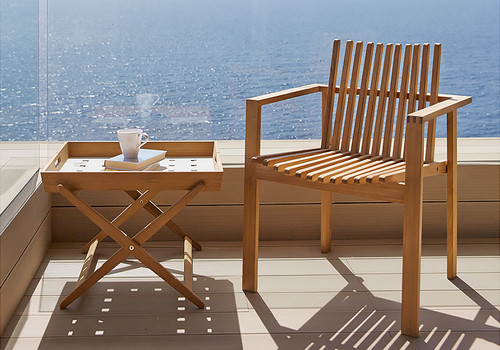
Alternatives To Solid Wood
Sometimes, solid wood is not the only choice for outdoor furniture. Here are other materials often used:
- Engineered wood: Like marine plywood, treated for outdoor use.
- Composite lumber: Made from wood fibers and plastic. Very durable, but lacks the natural look of real wood.
- Metal and wood combos: Frames made from aluminum or steel with wooden slats or arms.
These options can be worth considering if you want lower maintenance or a modern look.
Real-world Examples: How The Right Wood Performs
- In city parks, benches made from teak or ipe have lasted for decades with little care.
- In coastal homes, cypress is used for outdoor trim and furniture because it stands up to salt and humidity.
- For budget-conscious buyers, pressure-treated pine picnic tables are common in backyards, but they need more care and don’t last as long as hardwoods.
- In high-end resorts, mahogany and shores are chosen for their classic beauty and resistance to decay.
Where To Learn More
For more scientific information about wood properties, you can visit the Wood Database, which covers technical details and comparisons for different woods.
Frequently Asked Questions
What Is The Most Durable Wood For Outdoor Furniture?
Teak is often considered the most durable wood for outdoor furniture. Its natural oils make it highly resistant to water, insects, and rot. Ipe and other tropical hardwoods are also extremely tough and long-lasting.
Does Outdoor Wood Furniture Need To Be Sealed Or Oiled?
Some woods, like teak and ipe, can be left untreated and will still last for decades. Other woods, such as acacia and eucalyptus, benefit from regular oiling or sealing to prevent drying, cracking, and color loss.
What Is The Best Budget Wood For Outdoor Furniture?
Eucalyptus and acacia are good choices if you want a balance between price and durability. Pressure-treated pine is the most affordable but requires more maintenance and doesn’t last as long as hardwoods.
How Can I Make My Outdoor Wood Furniture Last Longer?
Keep your furniture clean, oil or seal it as needed, cover it during bad weather, and use stainless steel fasteners. Storing it indoors during winter or heavy rain can extend its life even more.
Is It Safe To Use Pressure-treated Wood For Outdoor Furniture?
Modern pressure-treated wood uses safer chemicals than in the past, but it’s best to use it for tables, benches, or structures where there is little direct food contact. Always finish it with paint or an outdoor sealant.
Choosing the right wood for your outdoor furniture is a smart investment. It means you’ll spend more time relaxing and less time worrying about repairs or replacements. Whether you choose classic teak, eco-friendly eucalyptus, or a lesser-known wood, understanding your options will help you create a beautiful and lasting outdoor space.