What is the Best Canvas for Printing? The Ultimate 2026 Guide to Choosing the Perfect Material for Stunning, Long-Lasting Prints
Canvas printing has exploded in popularity over the past decade. Whether you’re a photographer turning family snapshots into gallery-worthy wall art, a digital artist reproducing limited-edition giclée prints, or a homeowner looking to transform blank walls with vibrant, textured masterpieces, canvas offers a warmth and depth that paper simply can’t match. But with dozens of materials, weights, coatings, and brands available in 2026, one question dominates every conversation: What is the best canvas for printing?
The short answer? It depends on your needs—but poly-cotton blends consistently rise to the top for most users. In this comprehensive 2,700-word guide, we’ll break down every factor, compare materials side-by-side, review top products, and share pro tips so you can make an informed decision. We’ll include real product examples with visuals so you can see the difference yourself. By the end, you’ll know exactly which canvas will make your prints pop for decades.
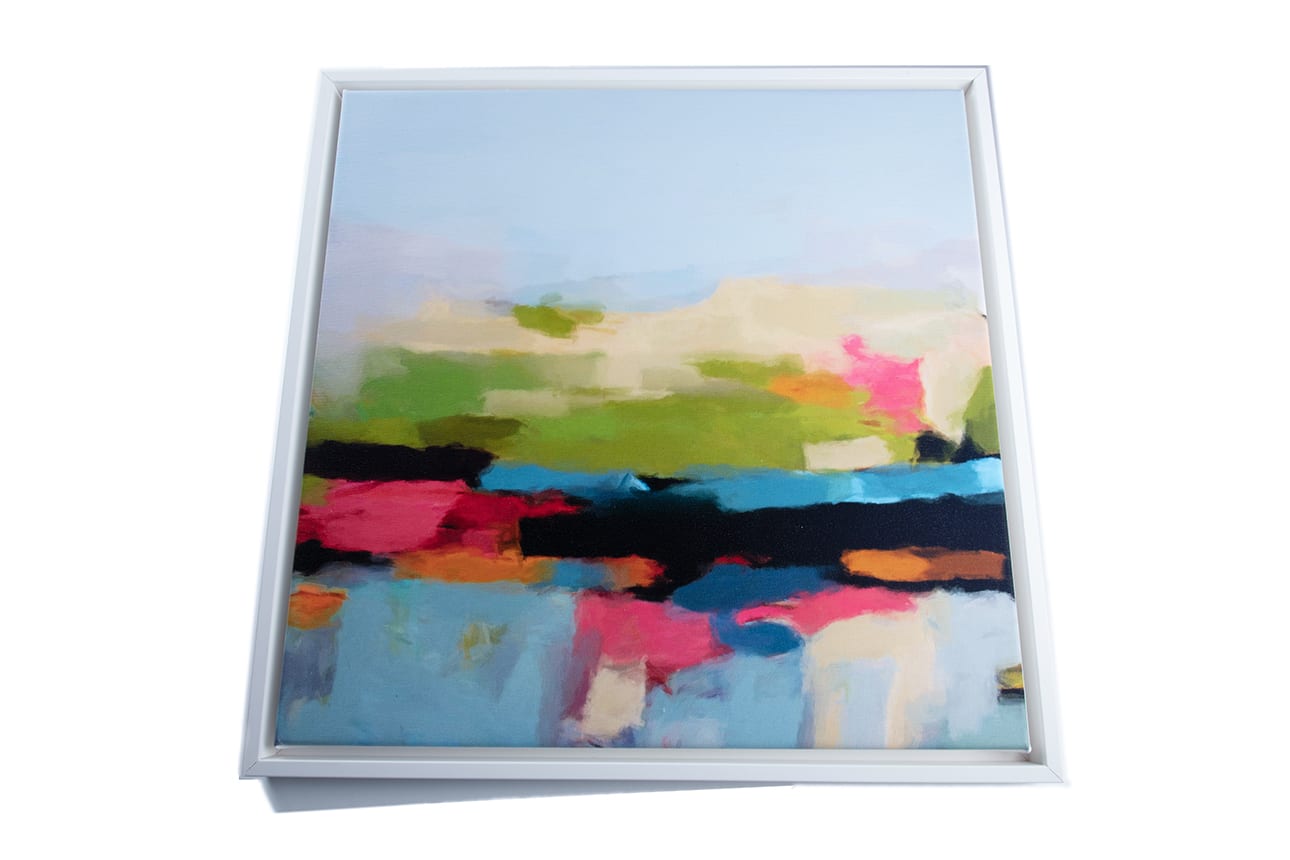
The Rise of Canvas Printing: From Traditional Art to Digital Mastery
Canvas printing isn’t new, but digital inkjet technology has revolutionized it. Traditional artists stretched linen or cotton and painted with oils; today, wide-format printers use pigment inks on specially coated canvases to create museum-quality reproductions that last 100+ years.
In 2025–2026, the market favors archival, eco-friendly options. Professional labs like Nations Photo Lab and Frameology dominate consumer reviews for their hand-stretched, museum-grade results. Printer manufacturers such as Epson and Canon push solvent and aqueous systems optimized for specific canvases. The result? Prints that feel like original paintings—rich textures, deep blacks, and colors that resist fading even in bright rooms.
Why canvas over paper or metal? Texture. The woven surface scatters light naturally, reducing glare and adding dimension. Stretched canvases arrive ready-to-hang with no frame needed, making them ideal for modern interiors. But not all canvases are created equal. Choosing the wrong one can lead to dull colors, cracking, or premature fading.
Understanding Canvas Basics: Inkjet vs. Artist Canvas and Why It Matters
Before diving into materials, clarify two categories:
- Traditional artist canvas (for painting): Often unprimed or gesso-primed cotton/linen. Not optimized for inkjet inks—it absorbs unevenly and may bleed.
- Inkjet canvas (for printing): Pre-coated with a receptive layer (matte, satin, or gloss) that bonds pigment or dye inks. These are acid-free, often OBA-free (no optical brighteners that yellow over time), and engineered for stretchability.
Key specs to watch:
- Weight: Measured in GSM (grams per square meter) or ounces per square yard. 260–350 GSM is standard; heavier (400+ GSM) resists sagging on large prints.
- Coating: Determines ink absorption and finish. Aqueous coatings for home Epson/Canon printers; solvent or latex for commercial durability.
- Weave: Tight for smooth detail; loose for artistic texture.
Properly coated inkjet canvas ensures sharp detail without the weave overpowering fine lines—crucial for photos but perfect for impressionist-style art.
Types of Canvas Materials: Pros, Cons, and Real-World Performance
1. 100% Cotton Canvas – The Classic Choice for Fine Art Feel
Cotton remains a favorite for its natural, warm texture that mimics traditional paintings. It absorbs ink beautifully for rich, matte colors and offers excellent archival properties when acid-free.
Pros:
- Authentic artistic look and feel.
- Superior ink absorption for deep blacks and subtle tones.
- Highly archival (100+ years with pigment inks).
- Flexible and easy to stretch.
Cons:
- Can shrink slightly with humidity changes.
- Less tear-resistant than synthetics.
- May require more careful handling during printing.
Best for: Fine art reproductions, portraits, and landscapes where a painterly quality enhances the image. Many labs use premium cotton for museum collections.
Product Example: Look for heavy 400 GSM cotton rolls from brands like Fredrix or Breathing Color Lyve. A stretched 20×30″ cotton print feels substantial yet elegant.

2. Polyester Canvas – Durability Meets Vibrancy
Polyester (sometimes called “synthetic canvas”) excels in stability. It’s lightweight, wrinkle-resistant, and produces ultra-vibrant colors because ink sits on the surface rather than soaking in.
Pros:
- Extremely durable and tear-proof.
- Minimal shrinkage or warping.
- Bright whites and punchy colors—ideal for photos.
- Water-resistant options for semi-outdoor use.
- Cost-effective for large runs.
Cons:
- Can feel “plasticky” or less warm than natural fibers.
- Lower texture depth compared to cotton.
- May show more reflections without proper coating.
Best for: High-volume commercial prints, photo canvases, banners, and any piece exposed to handling or slight moisture. In 2026, solvent-printed polyester dominates outdoor signage but shines indoors too.
Product Example: Rolls of bright white 21-mil polyester sheets work perfectly with Canon/Epson printers. Here’s a close-up of polyester canvas material—notice the smooth, consistent weave.

3. Poly-Cotton Blends (60/40, 65/35, 70/30) – The Sweet Spot for Most Users
This hybrid is the 2026 consensus “best overall.” It combines cotton’s texture and ink absorption with polyester’s strength and color pop.
Pros:
- Balanced texture and durability.
- Excellent color gamut and sharpness.
- Archival when OBA-free.
- Resists cracking when stretched.
- Versatile across printers (aqueous, latex, solvent).
Cons:
- Slightly higher cost than pure polyester.
- Availability varies by brand.
Experts and labs (including Mpix and Nevada Art Printers) call poly-cotton the go-to for 90% of projects. It stretches beautifully without sagging and holds up in homes with fluctuating humidity.
Why it’s often the best: Real-world testing shows blends outperform pure cotton on large formats (no warping) and pure polyester on artistic feel. A 350–450 GSM poly-cotton with satin finish delivers gallery results at reasonable prices.
4. Linen Canvas – Premium Luxury Option
Linen (flax-based) is the high-end choice for serious artists. Its irregular weave adds character.
Pros: Ultra-premium texture, natural archival quality, elegant drape. Cons: Expensive, heavier, and can be brittle if not high-quality.
Best for: Limited-edition giclée prints or when you want museum authenticity. Less common for everyday photo printing due to cost.
5. Specialty Canvases (Metallic, Gloss, Eco-Friendly)
- Metallic/Satin: Hahnemühle Metallic Canvas adds shimmer for dramatic photos.
- Glossy: High sheen for modern, high-contrast images.
- Eco Options: Recycled or OBA-free lines from Epson and Breathing Color appeal to green consumers.
Key Factors to Consider When Choosing Canvas (Don’t Skip These!)
- Intended Use Photos? Go poly-cotton for vibrancy. Fine art? 100% cotton or linen for texture.
- Printer & Ink Compatibility Home users: Aqueous pigment inks pair best with coated cotton/poly blends (Epson SureColor or Canon imagePROGRAF recommended).Commercial: Solvent/latex for polyester durability.
- Weight & Thickness Under 300 GSM: Good for small prints. 350–450 GSM: Ideal for 24×36″+—prevents sagging. Heavier canvases cost more but feel premium.
- Finish (Matte, Satin, Gloss) Matte: No glare, artistic. Satin: Balanced sheen. Gloss: Maximum color pop but reflective.
- Archival Quality & Longevity Look for acid-free, lignin-free, OBA-free certifications. Pigment inks + proper coating = 100–200 years indoors.
- Stretchability & Framing Quality canvas stretches tightly over 1.5–2″ bars without cracking. Many services offer gallery-wrapped edges with mirrored image continuation.

- Budget Entry-level poly: $5–10 per sq ft. Premium cotton: $15–25 per sq ft. Professional stretching adds $20–50.
- Environmental Factors: UV-resistant coatings and varnishing extend life in sunny rooms.
Best Canvas Recommendations by Use Case (2026 Edition)
- Family Photos & Home Décor: Poly-cotton blend, satin finish, 350+ GSM. Example services: Frameology or Nations Photo Lab deliver hand-stretched results.
- Fine Art Giclée Prints: 100% cotton or Hahnemühle Artist Canvas—matte for authenticity.
- Large-Scale or Commercial: Polyester or heavy poly-cotton for stability.
- Budget-Friendly: Pure polyester from Amazon rolls + DIY stretching.
- Premium/Museum: Linen or Breathing Color Crystalline (satin poly-cotton).
- Epson PremierArt Satin Inkjet Canvas: Water/fade-resistant, archival—perfect for home printers.
- Hahnemühle Canvas: Legendary quality, available in matte and metallic.
- Breathing Color 800M or Lyve: Bright white poly-cotton, OBA-free, professional favorite.
- Canon or generic poly-cotton sheets: Affordable starter option.
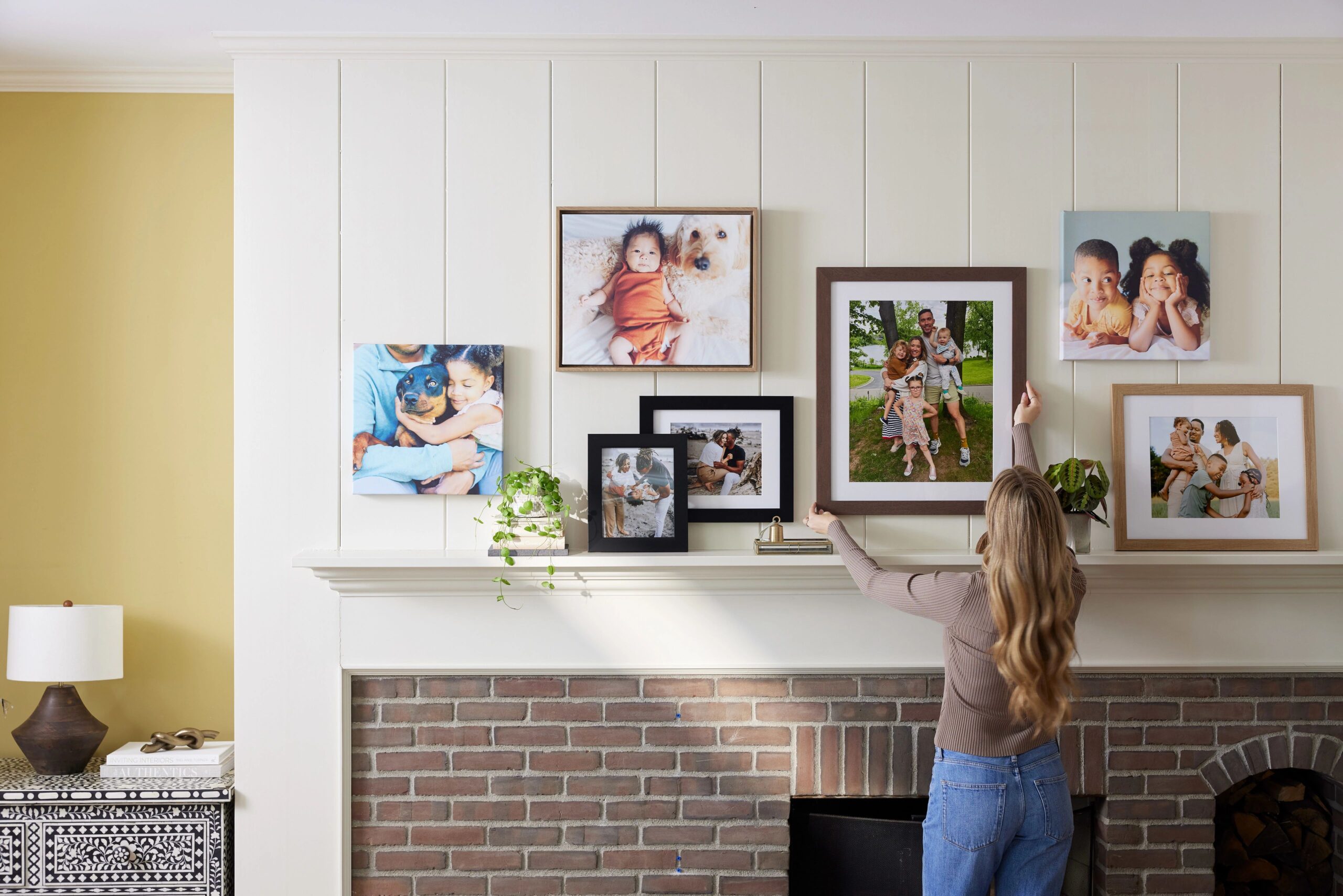
Visual of a stretched canvas print in a living room: See how it transforms a space.
The Printing Process: DIY vs. Professional Labs
DIY Route: Buy a roll (e.g., Epson PremierArt), load into a wide-format printer, profile correctly, and stretch yourself. Great for control and cost savings on small runs—but requires skill and equipment.
Professional Labs: Upload files to CanvasDiscount, Mpix, or Frameology. They handle color correction, printing on premium stock, stretching, and hardware. Faster, higher quality, and often cheaper per print for one-offs. Many guarantee 100-year display life.
Pro tip: Always request a proof or use soft-proofing software.
Stretching, Framing, and Finishing Touches
Gallery-wrapped (1.5–2″ depth) is most popular—no frame needed. Add UV varnish for extra protection. Hanging hardware comes standard on quality orders.

Caring for Your Canvas Print
Dust with a soft cloth. Avoid direct sunlight. For longevity, stay away from heat vents and humidity sources. Varnish if not pre-coated.
Conclusion: The Best Canvas for Printing in 2026 Is…
There is no single “best” canvas—but a high-quality poly-cotton blend (350–450 GSM, satin or matte finish) wins for the vast majority. It delivers the perfect mix of texture, color vibrancy, durability, and value. For pure fine art, choose 100% cotton or linen. For photos or high-traffic areas, polyester or blends shine.
Invest in archival materials from reputable brands like Hahnemühle, Epson, or Breathing Color, and use a trusted lab for stretching. Your prints will look stunning and last for generations.
Ready to print? Start with a poly-cotton sample from your favorite supplier and see the difference. Your walls (and your art) will thank you.