

Have you ever walked into a room and instantly felt comfortable, inspired, or energized? That feeling is no accident—it’s What is Interior Decoration
But what exactly is interior decoration, and how can it transform your living or working space? Interior decoration is all about enhancing the look and feel of your home or office by carefully choosing colors, furniture, artwork, and accessories that reflect your style and personality.
Unlike interior design, which involves structural changes and technical planning, interior decoration focuses on the surface elements that make a space visually appealing and inviting. If you want to learn how to create a space that truly feels like yours, keep reading—this guide will help you understand the essentials of interior decoration and how it can bring your vision to life.
Interior Decoration Basics
Interior decoration basics are the foundation of creating beautiful spaces. This field focuses on enhancing the look and feel of a room. It uses colors, furniture, and accessories to transform ordinary spaces into inviting ones.
Understanding the basics helps anyone improve their home or office environment. Simple changes can make a big difference in comfort and style.
Definition And Purpose
Interior decoration is the art of arranging and styling indoor spaces. It aims to make rooms attractive and comfortable. The goal is to reflect personal taste and create harmony in the area.
It involves selecting colors, furniture, lighting, and decor items. Each choice enhances the room’s mood and function. Decoration does not change the structure but improves its appearance.
Key Elements
Several key elements form the base of interior decoration. Color sets the tone and affects the room’s energy. Furniture provides comfort and style. It must fit the space well.
Lighting highlights the room’s best features and affects mood. Accessories like rugs, curtains, and art add personality. Balance and harmony keep the space pleasing to the eye.
Interior Design Vs Decoration
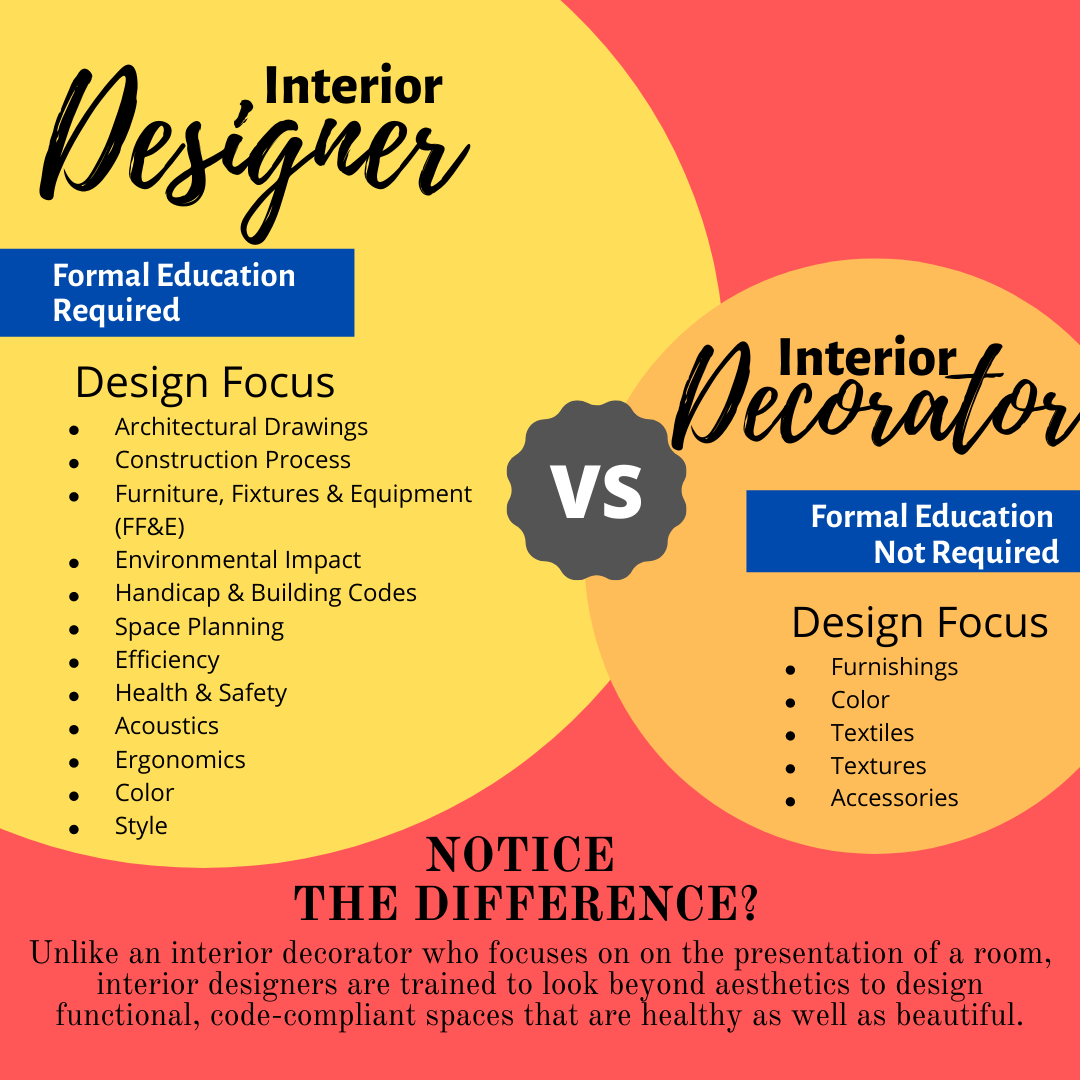
Understanding the difference between interior design and interior decoration helps you choose the right approach for your space. Both fields improve interiors but focus on different aspects. Interior design involves the structure and function of a space, while decoration focuses on style and appearance. Knowing these distinctions guides your decisions for a home or office makeover.
Differences In Scope
Interior design covers the entire space from structure to layout. Designers work on walls, floors, lighting, and plumbing. They create functional and safe environments that meet building codes. Interior decoration focuses only on surface elements. Decorators choose colors, furniture, fabrics, and accessories. Their goal is to enhance the look without changing the structure.
Education And Skills
Interior designers need formal education and training. They study architecture, space planning, and safety regulations. Many must be licensed to practice professionally. Interior decorators do not require formal degrees. They rely on a strong eye for color, style, and trends. Good communication and creativity are important skills for decorators.
When To Hire Each
Hire an interior designer for major projects or remodels. They can handle technical details and coordinate with contractors. Choose a decorator for smaller updates or style changes. They help select decor and arrange furnishings. Both professionals improve your space but serve different needs and budgets.
Popular Decoration Styles
Interior decoration transforms spaces by adding style and personality. Various popular styles guide the choices in colors, furniture, and accessories. Each style creates a unique atmosphere, reflecting different tastes and moods. Understanding these styles helps to decorate homes or offices beautifully and comfortably.
Modern And Contemporary
Modern style uses clean lines and simple forms. It favors neutral colors and natural materials like wood and metal. Spaces feel open and uncluttered. Contemporary style is similar but changes with current trends. It mixes soft curves and bold shapes. Both styles focus on function and minimalism.
Traditional And Classic
Traditional decoration draws from history and classic art. It features rich colors, detailed woodwork, and elegant fabrics. Furniture often includes curves and ornate carvings. This style feels warm and timeless. Classic style values symmetry and balanced layouts. It creates a cozy and inviting space.
Eclectic And Bohemian
Eclectic style blends different periods and cultures. It mixes patterns, colors, and textures freely. This style shows creativity and personality. Bohemian style is more relaxed and artistic. It uses bright colors, vintage items, and natural elements. Both styles invite bold choices and personal stories.
Color And Materials
Color and materials shape the soul of interior decoration. They influence mood, style, and the overall feel of a space. Choosing the right colors and materials can turn a simple room into a warm, inviting retreat or a sleek, modern area. These elements work together to create harmony and balance within any environment.
Choosing Color Schemes
Color sets the tone of a room instantly. Soft, light colors make spaces feel larger and calm. Darker shades bring coziness and depth. A well-planned color scheme blends walls, furniture, and accents smoothly. Using two or three main colors keeps the space balanced and easy on the eyes. Accent colors add personality and interest without overwhelming the room.
Selecting Flooring And Fabrics
Flooring provides the foundation of any room’s design. Wood, tile, and carpet each bring unique textures and warmth. Fabrics add softness and comfort to chairs, sofas, and curtains. Natural fabrics like cotton and linen offer breathability and ease. Synthetic fabrics resist stains and wear better. Mixing textures between flooring and fabrics creates visual appeal and tactile contrast.
Furniture And Accessories
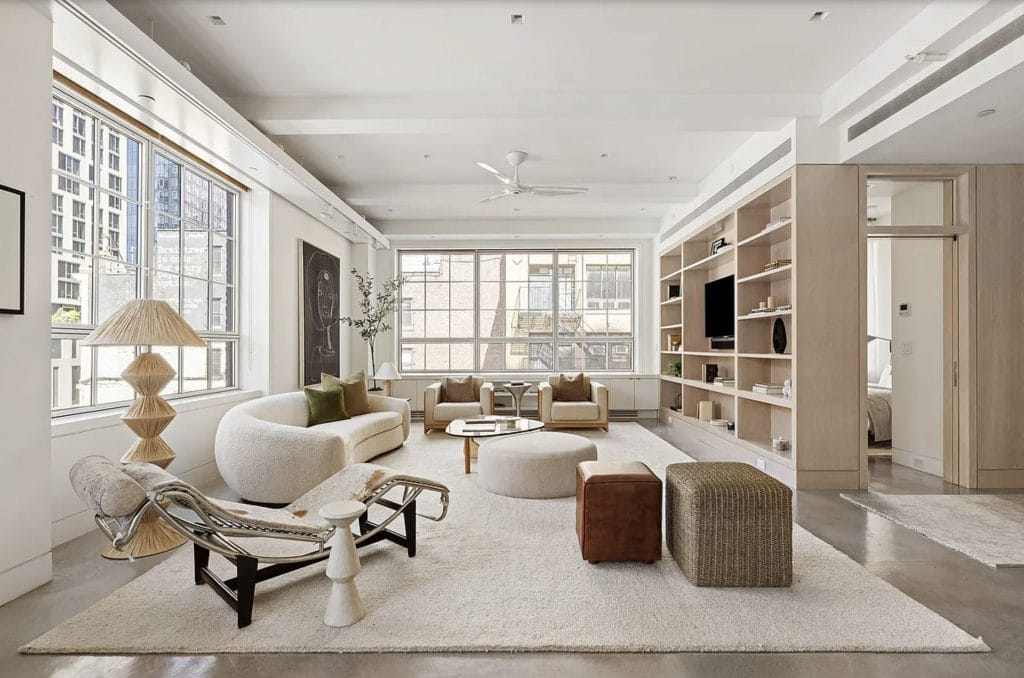
Furniture and accessories play a vital role in interior decoration. They bring personality and comfort to any space. Choosing the right pieces can transform a room from plain to inviting. These elements reflect your style and enhance the overall mood.
Careful selection of furniture ensures functionality and beauty. Accessories like cushions, lamps, and rugs add texture and color. Together, they create a balanced and cohesive look that feels complete.
Furniture Selection Tips
Select furniture that fits the room size and layout. Avoid overcrowding to keep the space open and comfortable. Choose durable materials that suit daily use and your lifestyle. Focus on pieces that match your style, whether modern, classic, or rustic. Consider comfort, especially for sofas and chairs. Mix shapes and textures to add interest and depth. Keep a consistent color palette for harmony across the room.
Using Artwork And Decor
Artwork brings life and personality to walls. Pick pieces that inspire or calm you. Use mirrors to reflect light and make rooms look bigger. Decor items like vases, candles, and plants add charm and warmth. Group smaller items to create focal points. Balance large art with smaller decorations for visual appeal. Change accessories seasonally to refresh the space without major changes.
Creating Ambiance
Creating ambiance is a key part of interior decoration. It sets the mood and feeling of a room. The right ambiance makes spaces feel warm, inviting, or calm. Interior decorators use many tools to shape this atmosphere. Two important elements are lighting techniques and window treatments. Both influence how a room looks and feels. Small changes in these areas create big effects.
Lighting Techniques
Lighting controls how we see and experience a space. Bright lights make rooms feel lively and active. Soft lighting adds warmth and comfort. Layering lights with ceiling lamps, table lamps, and wall sconces brings depth. Using dimmers lets you adjust brightness for different times or moods. The color of light bulbs also changes ambiance. Warm bulbs create coziness. Cool bulbs make a room feel fresh and clean. Proper lighting highlights furniture and artwork. Shadows and light shapes add interest to interiors.
Window Treatments
Windows let in natural light and connect indoors to outdoors. Window treatments like curtains, blinds, and shades control this light. Sheer curtains soften sunlight and create a gentle glow. Heavy drapes block light and provide privacy. Patterns and colors of window fabrics add style and personality. Choosing the right fabric affects the room’s warmth and texture. Window treatments also help with temperature control. They keep rooms cooler in summer and warmer in winter. Well-chosen window coverings complete the room’s look and improve comfort.
Practical Tips For Stylish Spaces
Creating stylish spaces requires more than just choosing pretty colors and furniture. Practical tips help transform any room into a comfortable and attractive place. These tips focus on smart planning and balancing looks with usefulness. Following these steps makes decorating easier and more effective.
Space Planning And Flow
Good space planning starts with understanding the room’s size and shape. Arrange furniture to allow easy movement and avoid clutter. Leave enough space between pieces for walking paths. Think about how people will use the room and plan accordingly. A clear flow makes a room feel open and welcoming.
Consider focal points like windows, fireplaces, or artwork. Place key furniture near these spots to highlight them. Use rugs or lighting to define different areas in open spaces. Proper space planning creates harmony and improves daily comfort.
Balancing Function And Aesthetics
Stylish spaces work well and look good. Choose furniture that fits the room’s purpose and style. For example, a cozy sofa in a living room invites relaxation. Select colors and textures that create a pleasing atmosphere. Mix soft and hard materials for contrast and interest.
Remember, beauty should not block use. Keep storage solutions practical but attractive. Use decorative items sparingly to avoid overcrowding. Balance helps a room feel both inviting and efficient. This approach leads to spaces that are easy to live in and enjoy.
Frequently Asked Questions
What Is The Meaning Of Interior Decorations?
Interior decoration means enhancing a space’s appearance by choosing colors, furniture, artwork, and accessories. It reflects personal style without structural changes.
What’s the Difference Between Interior Design and Interior Decoration?
Interior design plans functional, safe spaces, addressing structure and codes. Interior decoration enhances aesthetics using furniture, colors, and accessories without structural changes. Designers require formal education; decorators focus on style and need no certification.
What Does an Interior Decorator Do?
An interior decorator enhances a space’s visual appeal by selecting colors, furniture, fabrics, and accessories. They focus on style and ambiance without altering structure. Decorators create cohesive looks that reflect clients’ tastes, refreshing rooms without major renovations or technical planning.
What Is Interior Decoration Also Called?
Interior decoration is also called interior decorating. It involves enhancing a space’s visual appeal using colors, furniture, and accessories.
Conclusion
Interior decoration brings personality and style to any space. It focuses on colors, furniture, and accessories. Anyone can create a cozy, beautiful room with it. Small changes often make a big difference. Choose elements that reflect your taste and mood.
A well-decorated room feels welcoming and comfortable. Enjoy the process of making your space unique. Interior decoration adds charm without complex renovations. It’s an easy way to refresh your home or office. Simple ideas can transform any room instantly.
Pingback: 10 Best Table Lamps for Living Rooms of 2026