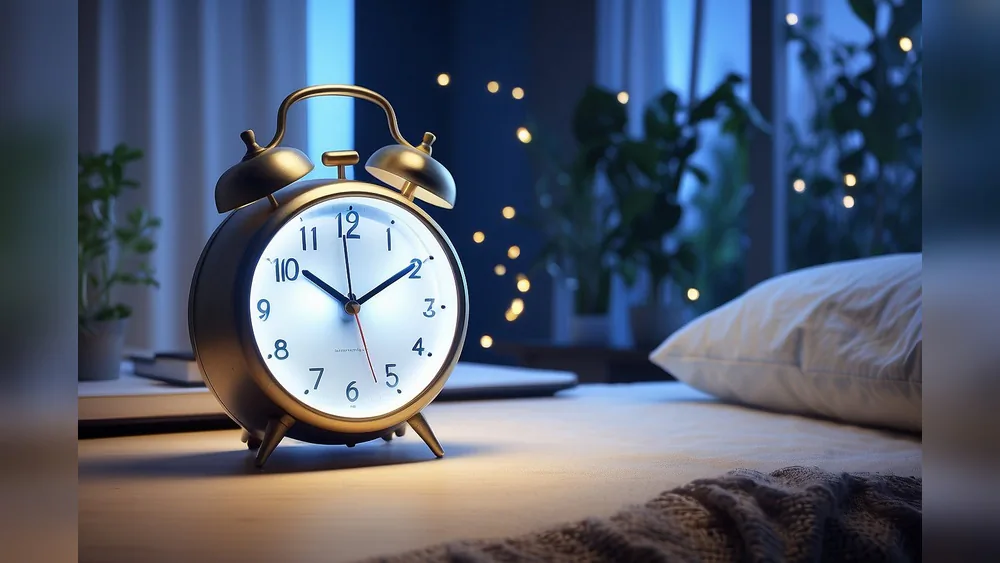
Have you ever wondered what color of What Color Alarm Clock is Best for sleeping? It might sound surprising, but the light your clock emits can play a big role in your sleep quality.
Choosing the right color can help you fall asleep faster, stay asleep longer, and wake up feeling refreshed. You’ll discover which alarm clock colors are best for promoting restful sleep and why some colors might be keeping you awake without you even realizing it.
Keep reading to learn how a simple change in your alarm clock’s color could transform your nights and mornings.
Color Impact On Sleep
Colors influence how well we sleep. Light from alarm clocks can affect sleep quality. Choosing the right color helps maintain restful sleep. Some colors calm the mind, while others may cause alertness. Understanding color impact guides better alarm clock choices.
Light color affects brain signals that control sleep cycles. Using soft, warm colors can reduce sleep disruption. Bright or blue light may delay sleep onset. Let’s explore how light and color interact with sleep patterns.
How Light Affects Circadian Rhythm
The circadian rhythm is the body’s natural clock. It controls sleep and wake times. Light is the main signal for this rhythm. Blue light signals daytime to the brain. It can suppress sleep hormones and keep you awake. Warm colors, like red or amber, have less effect. They help maintain the natural sleep cycle. Using soft colors on alarm clocks supports better circadian rhythms.
Melatonin And Color Exposure
Melatonin is a hormone that helps you sleep. Its production rises in darkness and falls with light. Blue and white lights reduce melatonin levels. This can make falling asleep harder. Red and amber lights do not lower melatonin as much. Green light may also help regulate melatonin positively. Choosing alarm clocks with red or amber displays protects melatonin. This leads to deeper, more restful sleep.
Best Colors For Alarm Clocks
Choosing the right color for your alarm clock’s light can improve your sleep quality. The color affects how your brain reacts to light during the night. Some colors help you relax, while others can disturb your sleep cycle. Here are the best colors to consider for your alarm clock.
Benefits Of Red And Amber Lights
Red and amber lights have a warm, soft glow. These colors do not reduce melatonin, the hormone that helps you sleep. They create a calm environment, making it easier to fall asleep. Red and amber lights are less likely to cause eye strain at night. Many people find these colors comforting and soothing before bed.
Advantages Of Green LED
Green LED lights can help regulate your body’s internal clock. This regulation improves your sleep pattern and may reduce insomnia. Green light is less harsh than blue light but still bright enough for easy reading. It supports a healthy circadian rhythm, which controls your sleep-wake cycle. Using green light on your alarm clock can promote better rest.
Why Blue Light Should Be Avoided
Blue light tricks your brain into thinking it is daytime. This effect stops melatonin production and delays sleep. Exposure to blue light from alarm clocks can cause difficulty falling asleep. It raises alertness and may increase heart rate at night. Avoid blue light to keep your sleep cycle healthy and restful.
Color Choices For Bedroom Lighting
Choosing the right color for your bedroom lighting can improve your sleep quality. The color of your alarm clock’s light plays a key role in how well you relax before bedtime. Different colors affect your mind and body in unique ways. Some colors soothe your senses, while others can cause alertness. Understanding these effects helps you pick the best color for your alarm clock light.
Warm Tones For Pre-sleep Relaxation
Warm colors like red, amber, and orange create a cozy atmosphere. These tones help your body prepare for sleep by reducing melatonin disruption. They produce a soft glow that feels gentle on the eyes. Using warm light before bed signals your brain to wind down. This makes falling asleep easier and faster.
Cool Tones For Calm And Restfulness
Cool colors such as blue and green promote calmness and rest. These colors lower heart rate and blood pressure, making your body feel more relaxed. Soft blue or green light can help improve sleep quality by calming your nervous system. Avoid bright or harsh blues, as they may cause alertness instead of relaxation.
Neutral Shades And Their Effects
Neutral colors like beige, cream, and soft gray create a peaceful environment. These shades do not overstimulate your senses and provide a balanced light. Neutral lighting helps maintain a calm mood without being too warm or cool. They are ideal if you prefer subtle lighting that blends well with your bedroom decor.

Visibility And Comfort
Choosing the right alarm clock color affects both visibility and comfort during sleep. The clock must be easy to read without disturbing your rest. Bright or harsh colors can cause eye strain or keep your brain alert. Soft, gentle colors balance clarity and relaxation. This section explores how LED colors influence visibility and comfort at night.
Visibility Of Different LED Colors
Red LEDs are the easiest to see in the dark. They do not cause much glare or strain. Green LEDs are also visible but a bit softer on the eyes. Blue LEDs tend to be very bright and can disrupt sleep patterns. Amber lights fall between red and green, offering good clarity with less intensity. Choose a color that stands out without being too harsh. This helps you check the time quickly without waking fully.
Reducing Distraction While Sleeping
Bright lights can stop your body from producing melatonin. Melatonin controls your sleep-wake cycle. Avoid alarm clocks with bright blue or white lights. These colors can trick your brain into thinking it is daytime. Dim red or amber lights reduce this risk. They create a calming environment that supports deep sleep. Covering or dimming the clock’s light also helps reduce distractions. This keeps your room dark and cozy for better rest.
Choosing The Right Alarm Clock Color
Choosing the right color for your alarm clock can impact your sleep quality and bedroom atmosphere. The color you select affects both your mood and how light influences your rest. Thoughtful color choices can help you wake up refreshed and minimize sleep disruptions.
Consider how the alarm clock’s color blends with your room and how it affects your eyes during the night. The ideal color should support calmness and avoid harsh brightness that disturbs your sleep cycle.
Matching Alarm Clock Color With Bedroom Decor
Pick an alarm clock color that fits your bedroom’s style. Soft, neutral colors like beige or gray work well in most rooms. Blue or green clocks add a calming touch and promote relaxation. Bright colors might stand out but could feel distracting in a peaceful space.
Choose colors that create harmony and balance in your room. Avoid colors that clash with your decor, as this might cause visual discomfort at night.
Personal Preferences And Sleep Quality
Everyone reacts differently to colors and light. Some people find red or amber lights soothing because they do not interfere with melatonin production. Others prefer green or blue tones to feel calm and relaxed. Test different colors to see which helps you fall asleep and wake up better.
Pay attention to how your eyes feel after seeing the alarm clock light. A soft, dim glow usually works best for most sleepers.
Tips For Minimizing Light Disruption
Use an alarm clock with adjustable brightness settings. Dim the display to the lowest comfortable level before sleep. Avoid blue or white LED lights that can confuse your brain’s natural clock.
Place the clock away from your direct line of sight. Cover the display lightly if it is too bright. Choose warm colors like red or amber for a night light, as they reduce sleep disturbances.


Frequently Asked Questions
What Is The Best Color For An Alarm Clock?
The best alarm clock colors are amber or red for evening use, as they calm and don’t disrupt sleep. Green also supports better sleep by regulating circadian rhythms. Avoid blue light, which can interfere with melatonin and disrupt rest.
What Color Clock Light Is Best For Sleep?
Amber or red clock lights are best for sleep as they mimic sunset and do not disrupt melatonin production. Avoid blue light because it hinders sleep. Green light may also improve sleep quality by regulating the circadian rhythm.
What Color Of Light Is Better For Sleeping?
Warm colors like red or amber are best for sleeping as they do not disrupt melatonin production. Avoid blue light, which hinders sleep by signaling alertness to the brain. Dim, soft lighting in these warm tones helps maintain a calm, restful environment for better sleep.
What Is The Healthiest Color To Sleep In?
The healthiest colors to sleep in are cool, soft tones like blue and green. They calm the mind, lower heart rate, and reduce blood pressure. Neutral shades like beige and cream also create a cozy, peaceful environment. Avoid bright, bold colors that can stimulate and disrupt sleep.
Conclusion
Choosing the right alarm clock color can improve your sleep quality. Soft colors like red, amber, and green create a calm environment. Avoid blue lights as they can keep you awake. Green light helps regulate your body’s internal clock. Warm tones like amber reduce sleep disruptions.
Pick colors that make you feel relaxed and ready to rest. A calm bedroom light supports better sleep and waking up refreshed. Small changes in your alarm clock’s color can make a big difference. Sleep well and start your day peacefully.