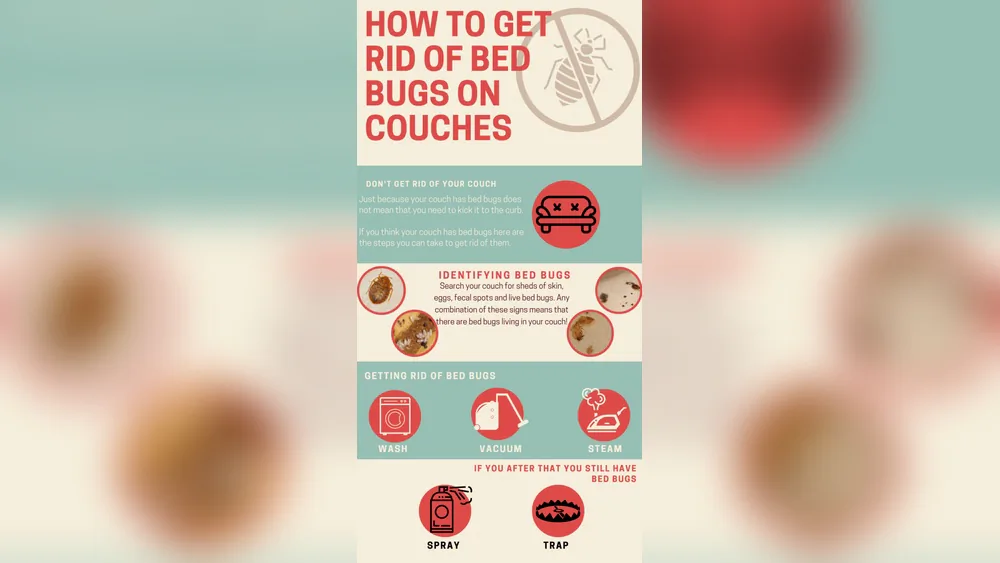
How to Get Rid of Bedbugs in Your Sofa
Bedbugs are tiny, flat insects. They are brown or reddish and about the size of an apple seed. Bedbugs feed on blood, usually at night when you are sleeping or relaxing. They do not fly, but they crawl quickly.
Sofas are perfect hiding places for bedbugs. Sofas have small cracks, seams, and folds. Bedbugs hide in these spots during the day and come out at night. Sofas are also warm and close to people, so bedbugs can feed easily.
Many people think bedbugs only live in beds, but they can hide almost anywhere. Sofas, chairs, carpets, and even behind walls are common places. If you see bites on your body or small blood stains on your sofa, it may mean bedbugs are present.
Common Signs Of Bedbugs In Your Sofa
- Small brown or red stains on the fabric
- Tiny white eggs or shed skins in sofa seams
- Musty smell coming from the sofa
- Itchy bites on your skin, often in lines or clusters
One insight many beginners miss is that bedbugs rarely live alone. If you find one, there are probably more nearby. Checking your entire sofa, including underneath and inside cushions, is important.
How To Inspect Your Sofa For Bedbugs
Before you start cleaning, you need to confirm if bedbugs are really in your sofa. Careful inspection helps you find all hiding spots. Here’s how to check your sofa step by step:
- Wear gloves and use a flashlight.
- Remove all cushions and pillows.
- Look closely at seams, folds, and under the cushions.
- Check the frame, especially for any cracks or screw holes.
- Examine the underside of the sofa, including any fabric lining.
If you see small bugs, eggs, or stains, you likely have bedbugs. Take photos if you can. This helps you remember where you found them and shows professionals later if needed.
Helpful Tools For Inspection
- Flashlight: Helps you see in dark corners.
- Magnifying glass: Useful for spotting eggs or tiny bugs.
- Vacuum cleaner: Picks up bugs and eggs during inspection.
- Plastic bags: Store any infested items safely.
Many beginners forget to check the underside of the sofa. Bedbugs love dark, hidden areas. Checking every part of the sofa is necessary.

Preparing Your Sofa For Bedbug Removal
Once you confirm bedbugs, preparation is key. Cleaning your sofa will be easier if you follow these steps:
- Move the sofa away from the walls and other furniture.
- Remove all items (blankets, pillows, covers) and place them in sealed plastic bags.
- If possible, take the sofa apart (remove cushions, detach parts).
- Open windows for ventilation.
Bedbugs can spread quickly. Sealing infested items and keeping them away from other furniture helps stop the problem from getting worse.
What Not To Do
- Do not spray insecticide randomly. This can make bedbugs scatter.
- Avoid moving infested items through your home without sealing them.
- Do not ignore other furniture. Bedbugs can move from your sofa to nearby chairs or rugs.
A common mistake is not preparing the area before cleaning. This can make bedbugs spread and make removal harder.
Cleaning Methods To Get Rid Of Bedbugs In Your Sofa
There are several ways to clean your sofa and remove bedbugs. Each method has benefits and drawbacks. You can use one method or combine several for the best results.
1. Vacuuming
Vacuuming is a simple way to remove bedbugs, eggs, and debris. Use a vacuum with strong suction and a narrow nozzle.
- Vacuum all surfaces, seams, and cracks.
- Pay extra attention to corners and folds.
- After vacuuming, seal the vacuum bag in a plastic bag and throw it away outside.
Vacuuming removes many bugs, but it does not kill them all. It works best as the first step.
2. Steam Cleaning
Bedbugs die at temperatures above 120°F (49°C). Steam cleaning is effective because it heats the fabric and kills bugs and eggs.
- Use a steam cleaner with a high heat setting.
- Slowly move the steam nozzle over all surfaces.
- Focus on seams, folds, and deep cracks.
Steam cleaning is safe for most sofas, but check the fabric label first. Some materials (like leather) may be damaged by steam.
3. Washing Removable Covers
If your sofa has removable covers, wash them in hot water (at least 60°C or 140°F). Dry them on high heat.
- Remove covers and place them in a sealed bag before washing.
- Wash and dry at the highest safe temperature.
- Iron covers after drying for extra heat.
Washing kills bedbugs and eggs. Always follow care instructions for your sofa fabric.
4. Using Bedbug Sprays
There are special sprays for bedbugs. Look for sprays with pyrethrin or pyrethroid ingredients.
- Spray directly into seams, cracks, and corners.
- Let the spray dry completely before using the sofa.
- Use sprays only as directed.
Bedbug sprays can help, but should not be your only method. Some bugs may be resistant to chemicals.
5. Diatomaceous Earth
Diatomaceous earth is a natural powder that kills bedbugs by drying them out.
- Sprinkle a light layer on seams, cracks, and under cushions.
- Leave for several hours or overnight.
- Vacuum up the powder.
Diatomaceous earth is safe for humans and pets, but avoid breathing the dust.
6. Heat Treatment
If you live in a warm climate, you can use heat to kill bedbugs. Bedbugs die when exposed to temperatures above 120°F (49°C) for at least 90 minutes.
- Place the sofa outside in direct sunlight (if possible).
- Cover with plastic to trap heat.
- Leave for several hours.
This method works best in summer or in hot climates. Not all sofas can be moved outside, so check before trying this.
7. Cold Treatment
Bedbugs are killed by freezing temperatures below 0°F (-18°C). If your sofa is small, you can use cold treatment.
- Place cushions or small parts in a freezer for 4-7 days.
- Make sure the temperature stays below 0°F.
Cold treatment is slow but effective. It works best for cushions, not large sofas.
8. Professional Pest Control
If your sofa has a severe infestation, you may need help from professionals.
- Pest control companies use special chemicals and equipment.
- They can treat your sofa and other areas at the same time.
- Professional treatment costs more but is often more effective.
Choose a company with experience in bedbug removal. Ask about their methods and guarantees.

Comparing Cleaning Methods For Sofas
Different cleaning methods have pros and cons. Here is a comparison to help you choose:
| Method | Effectiveness | Safety | Cost |
|---|---|---|---|
| Vacuuming | Moderate | Safe | Low |
| Steam Cleaning | High | Safe (for most fabrics) | Medium |
| Washing Covers | High | Safe | Low |
| Bedbug Sprays | Varies | Use with caution | Low-Medium |
| Diatomaceous Earth | Moderate | Safe | Low |
| Heat Treatment | High | Safe | Low |
| Cold Treatment | High | Safe | Low |
| Professional Pest Control | Very High | Safe (with experts) | High |
Steam cleaning and professional pest control are usually most effective. Vacuuming and diatomaceous earth are good for mild infestations.
How To Prevent Bedbugs From Returning
Getting rid of bedbugs is only part of the solution. Preventing them from coming back is just as important. Here are steps you can take:
- Regular inspection: Check your sofa and other furniture every week.
- Clean surroundings: Keep your room tidy. Bedbugs like clutter.
- Wash covers: Wash sofa covers and blankets often.
- Seal cracks: Fix any cracks or holes in your sofa and walls.
- Avoid second-hand furniture: Used sofas may carry bedbugs.
- Use bedbug-proof covers: Special covers can stop bugs from hiding in cushions.
Many people miss the importance of sealing cracks and washing covers regularly. These steps make your home less attractive to bedbugs.
Comparison: Prevention Vs. Treatment
Here’s how prevention and treatment compare:
| Aspect | Treatment | Prevention |
|---|---|---|
| Time Required | Several hours to days | Ongoing, weekly |
| Cost | Medium to High | Low |
| Effort | Intense, short-term | Easy, long-term |
| Effectiveness | Solves current issue | Stops new infestations |
Prevention is easier and cheaper than dealing with a new infestation.
What To Do If Bedbugs Spread Beyond Your Sofa
Sometimes bedbugs move from your sofa to other parts of your home. If this happens, you need to act quickly.
- Inspect all furniture, beds, and carpets.
- Use the same cleaning methods (vacuum, steam, wash, spray).
- Seal infested items in plastic bags.
- Consider calling professionals if the problem is severe.
Bedbugs can spread fast. Acting quickly stops them from taking over your home.
Practical Tips For Long-term Success
Here are some practical tips that many people miss:
- Bedbugs can survive without food for months. Even if you do not see bites, keep checking your sofa for signs.
- Pets can carry bedbugs from room to room. Wash pet bedding often.
- Traveling increases risk. If you travel often, check your luggage and clothes for bedbugs before sitting on your sofa.
Many beginners think bedbugs are gone after one cleaning. In reality, bedbugs may return if you do not follow up. Checking your sofa every week is the best way to stay bedbug-free.
Common Mistakes To Avoid
Some mistakes can make bedbug removal harder:
- Ignoring small signs: Small stains or bites should not be ignored.
- Using too much spray: Overusing chemicals can harm your health and make bugs scatter.
- Forgetting to clean nearby furniture: Bedbugs rarely stay in one place.
- Throwing away infested sofas: This spreads bedbugs to other areas or homes.
- Not sealing vacuum bags: Bugs can crawl out of open bags.
Avoiding these mistakes will make your bedbug removal more effective and safer.
When To Replace Your Sofa
In some cases, replacing your sofa is the best option. If your sofa is old or heavily infested, cleaning may not be enough.
- If bedbugs keep returning after treatment.
- If the sofa is damaged or hard to clean (lots of cracks, deep folds).
- If you cannot remove all eggs or bugs.
Before throwing away your sofa, seal it in plastic and label it as “bedbug-infested. ” This prevents others from picking it up and spreading bedbugs.

Bedbug Facts And Statistics
Understanding bedbugs helps you deal with them better. Here are some facts:
- Bedbugs can live up to six months without feeding.
- A female bedbug lays 200–500 eggs in her lifetime.
- Bedbugs can crawl up to four feet per minute.
- Bedbug infestations have increased by over 500% in some cities since 2000.
- Bedbugs do not spread disease, but bites can cause itching and allergic reactions.
For more scientific information, see CDC Bedbug Facts.
Frequently Asked Questions
What Kills Bedbugs Instantly In A Sofa?
High heat kills bedbugs instantly. Steam cleaning at temperatures above 120°F (49°C) can kill bugs and eggs. Some sprays also kill bedbugs quickly, but heat is safest and most reliable.
Can I Use Regular Insect Sprays On My Sofa?
Regular insect sprays may not work well on bedbugs. Many bedbugs are resistant to common chemicals. Use sprays made for bedbugs, and always follow instructions.
How Long Does It Take To Get Rid Of Bedbugs In A Sofa?
Getting rid of bedbugs usually takes several days to weeks. You need to clean, treat, and check your sofa several times. Follow-up is important because eggs can hatch and create new bugs.
Are Bedbug Bites Dangerous?
Bedbug bites are not dangerous for most people. They can cause itching, redness, and allergic reactions. In rare cases, bites may lead to infection. See a doctor if bites are severe or cause allergic symptoms.
Will Bedbugs Come Back After Treatment?
Bedbugs can return if eggs are missed or if new bugs enter your home. Regular inspection and cleaning help prevent new infestations. Seal cracks, wash covers, and avoid second-hand furniture to keep your sofa safe.
Getting rid of bedbugs in your sofa takes patience and care. With the steps above, you can remove bedbugs, prevent new ones, and enjoy a safe, comfortable home. Remember to inspect regularly and follow up after treatment. Bedbugs are common, but with the right approach, they do not have to ruin your peace of mind.