which material is best for outdoor furniture is a decision that lasts for years. It’s not just about looks. You want something beautiful, strong, and able to survive the weather. With so many types of wood available, it’s easy to feel overwhelmed.
Each wood has its own strengths and weaknesses. Some are great against rain and sun, while others need a lot of care. This article explains everything you need to know before buying or building your next outdoor piece. You’ll learn which woods last the longest, which are best for different climates, and how to make a smart investment for your garden or patio.
Why Wood Choice Matters For Outdoor Furniture
Outdoor furniture faces tough conditions. Rain, sun, humidity, and even insects test the durability of any material. Not all woods can handle these challenges. Some warp, crack, or rot quickly outside. Others stay strong and beautiful for decades with little care.
The right wood can:
- Resist rot and decay
- Withstand sun and moisture
- Keep its shape without splitting
- Look attractive over time
If you choose the wrong wood, you may spend more on repairs or replacements. You might also waste time on maintenance. That’s why smart buyers learn about their options before making a choice.
What Makes A Wood Good For Outdoors?
There are a few key qualities that make certain woods ideal for outdoor use:
1. Natural Oils Or Resins
Woods with lots of natural oils, like teak and ipe, repel water and resist decay. These oils also protect against insects.
2. Density And Hardness
Dense woods are less likely to absorb moisture. Hard woods can handle wear and tear better than soft woods.
3. Stability
Stable woods don’t warp or crack easily, even when the weather changes.
4. Grain Structure
Tight grain patterns help keep out water and slow down damage from the elements.
5. Sustainability
Choosing certified or responsibly harvested wood helps protect forests and the environment.
You should also think about the look you want, how much work you’re willing to do, and your budget.
The 10 Best Woods For Outdoor Furniture
Some woods stand out for outdoor use. Here are the ten most popular and reliable types, along with what makes each special.
1. Teak
Teak is often called the king of outdoor woods. There’s a reason it’s used for ship decks and luxury garden furniture.
- Durability: Teak is full of natural oils that protect it from water, rot, and insects.
- Weather Resistance: Handles rain, sun, and snow without much trouble.
- Color: Starts as golden brown; weathers to a classic silvery-gray if left untreated.
- Maintenance: Needs very little care—just occasional cleaning. Oil if you want to keep the brown color.
- Cost: One of the most expensive options, but it lasts for decades.
Non-obvious insight: Even untreated teak rarely splinters or cracks, making it very comfortable for seating.
2. Ipe (brazilian Walnut)
Ipe is an extremely hard wood from South America. It’s a favorite for high-end decks and furniture.
- Durability: Lasts 25–50 years outdoors, even without treatment.
- Resistance: Nearly immune to rot, insects, and mold.
- Color: Deep brown with hints of red; fades to gray if not oiled.
- Maintenance: Needs annual oiling to keep color, but will last untreated.
- Cost: Very expensive, and can be hard to work with due to density.
Non-obvious insight: Ipe is so dense it sometimes needs pre-drilling for screws, which adds to labor costs.
3. Acacia
Acacia is a fast-growing hardwood common in Asia and Australia. It’s affordable and attractive.
- Durability: Good resistance to rot and insects, but not as tough as teak or ipe.
- Weather Resistance: Handles most climates, but should not sit in standing water.
- Color: Ranges from light to dark brown, often with unique grain patterns.
- Maintenance: Needs sealing or oiling once or twice a year.
- Cost: Much more affordable than teak or ipe.
Tip: Use furniture covers or store acacia pieces indoors during heavy rain or snow for longer life.
4. Eucalyptus
Eucalyptus is a sustainable alternative to teak, often grown in managed forests.
- Durability: Naturally rich in oils, making it resistant to moisture and insects.
- Weather Resistance: Performs well in most conditions, but benefits from sealant.
- Color: Reddish-brown; develops a silvery patina with age.
- Maintenance: Oil or seal once a year to prevent cracks and color loss.
- Cost: Cheaper than teak; a good value for those on a budget.
Non-obvious insight: Eucalyptus furniture can last up to 25 years if well cared for, making it a smart long-term choice.
5. Cedar
Cedar is popular in North America for outdoor benches, tables, and garden boxes.
- Durability: Naturally resists decay and insects, though softer than teak or ipe.
- Weather Resistance: Handles moisture well, but can dent or scratch more easily.
- Color: Reddish or pinkish when new; weathers to gray.
- Maintenance: Stain or seal to keep color and prevent surface roughness.
- Cost: Affordable and widely available.
Tip: Cedar’s scent comes from its oils, which also help keep bugs away.
6. Redwood
Redwood is valued for its beauty and natural weather resistance, especially in western North America.
- Durability: Contains tannins that resist rot and insects.
- Weather Resistance: Performs well in wet climates, but sun can fade its color.
- Color: Rich red to deep brown.
- Maintenance: Needs annual staining or sealing for best results.
- Cost: More expensive than cedar, but less than teak.
Non-obvious insight: Redwood is often used for hot tubs and garden structures because it handles constant moisture.
7. Mahogany
Mahogany gives a classic, elegant look to outdoor spaces. Not all types are equally durable, though.
- Durability: High resistance to rot and decay, if you choose true mahogany (e.g., Honduran).
- Weather Resistance: Good, but benefits from regular oiling.
- Color: Deep reddish-brown; darkens with age.
- Maintenance: Needs oil or sealer to prevent cracking.
- Cost: High, and quality can vary widely.
Tip: Many woods are sold as “mahogany.” For outdoor use, look for genuine, sustainably harvested types.
8. Shorea
Shorea is lesser-known but similar to teak in many ways. It comes from Southeast Asia.
- Durability: Dense and oily, resists insects and rot.
- Weather Resistance: Suitable for wet and dry climates.
- Color: Ranges from yellow-brown to red-brown.
- Maintenance: Oiling helps preserve color and prevent drying.
- Cost: Less expensive than teak, but just as strong.
Non-obvious insight: Shorea is often used for park benches and public outdoor seating because of its strength.
9. White Oak
White oak is a traditional choice for boat building and outdoor furniture.
- Durability: Closed grain and high tannins resist water and decay.
- Weather Resistance: Can handle rain and humidity if properly finished.
- Color: Light to medium brown; finishes well.
- Maintenance: Needs sealant or paint for longest life.
- Cost: Mid-range, widely available.
Tip: Red oak is not the same—only white oak is suitable for outdoors.
10. Black Locust
Black locust is a North American hardwood gaining popularity for outdoor use.
- Durability: Naturally rot-resistant, even when in contact with soil.
- Weather Resistance: Handles extreme weather, very stable.
- Color: Pale yellow to light brown; ages to gray.
- Maintenance: Minimal; oiling optional.
- Cost: Less expensive than teak, but harder to find.
Non-obvious insight: Black locust is one of the few woods that can be set directly in the ground without rotting.
Comparison Of Popular Outdoor Woods
To help you compare, here’s a quick look at how these woods stack up in terms of key factors.
| Wood Type | Durability (Years) | Maintenance Level | Cost | Weather Resistance |
|---|---|---|---|---|
| Teak | 50+ | Low | High | Excellent |
| Ipe | 25–50 | Medium | High | Excellent |
| Acacia | 10–20 | Medium | Low | Good |
| Eucalyptus | 15–25 | Medium | Low–Medium | Good |
| Cedar | 15–20 | Medium | Low | Good |
| Redwood | 20–30 | Medium | Medium | Very Good |
| Mahogany | 20–40 | Medium–High | High | Very Good |
| Shorea | 20–30 | Medium | Medium | Very Good |
| White Oak | 20–25 | High | Medium | Very Good |
| Black Locust | 30–40 | Low | Low–Medium | Excellent |
How Climate Affects Your Wood Choice
Not every wood is right for every climate. Here’s what you need to know:
- Humid or Wet Climates: Teak, ipe, and black locust are best. Cedar and redwood do well, but need more care.
- Hot and Dry Climates: Hardwoods with stable grain, like ipe and shorea, resist cracking.
- Cold or Snowy Climates: Teak and black locust can handle freeze-thaw cycles. Avoid woods that absorb water.
If you live near the ocean, choose woods with high oil content, as salt air can damage softer woods.
Sustainability: Making An Ethical Choice
Many outdoor woods come from tropical regions. Over-harvesting can harm forests and wildlife. Look for:
- FSC certification (Forest Stewardship Council)
- Local or reclaimed wood options
- Fast-growing, plantation-grown species like eucalyptus or acacia
Choosing sustainably harvested wood protects the environment and supports responsible forestry.
Maintenance Tips For Outdoor Wood Furniture
How you care for your furniture affects how long it lasts. Here are key tips:
- Clean Regularly: Use mild soap and water. Avoid harsh chemicals.
- Oil or Seal: Apply teak oil, linseed oil, or a suitable sealant once a year unless you want a natural gray patina.
- Cover or Store: Use covers in harsh weather. Store indoors during winter if possible.
- Check for Damage: Repair cracks or splinters quickly to prevent bigger problems.
- Avoid Direct Ground Contact: Raise furniture on pads or feet to prevent moisture damage.
Non-obvious insight: Even “maintenance-free” woods will look better and last longer with some basic care.
Pros And Cons Of Popular Outdoor Woods
Here’s a quick summary to help you weigh your options.
| Wood | Pros | Cons |
|---|---|---|
| Teak | Extremely durable, low maintenance, beautiful grain | Very expensive, can be heavy |
| Ipe | Long-lasting, highly resistant to rot and insects | Difficult to work with, expensive |
| Acacia | Affordable, attractive, sustainable | Needs regular sealing, less durable in wet climates |
| Eucalyptus | Eco-friendly, strong, good value | Requires annual maintenance, can crack if neglected |
| Cedar | Lightweight, naturally bug-resistant, affordable | Softer, can dent or scratch easily |
| Redwood | Weather-resistant, attractive, stable | Color fades, supply can be limited |
| Mahogany | Elegant, stable, long-lasting | Expensive, quality varies |
| Shorea | Strong, similar to teak, affordable | May require oiling, less common |
| White Oak | Strong, traditional, good weather resistance | Needs finishing, heavier maintenance |
| Black Locust | Rot-resistant, sustainable, minimal care needed | Hard to find, limited color range |
Common Mistakes When Choosing Wood For Outdoor Furniture
Many buyers make the same errors. Here’s what to avoid:
- Confusing Softwood and Hardwood: Not all hard-looking woods are suitable. For example, pine is a hardwood but does not last outdoors.
- Ignoring Maintenance Needs: Some woods need regular oiling or sealing. If you want low maintenance, pick teak or black locust.
- Forgetting About Weight: Dense woods like ipe and teak are heavy. Consider if you’ll move your furniture often.
- Overlooking Sustainability: Always check for certification or ask about the source.
- Choosing Based on Price Alone: Cheap woods may cost more in the long run if you have to replace them quickly.
Non-obvious insight: Some “outdoor” furniture is made from untreated or poorly finished wood. Always check for proper finishing before buying.
Best Finishes For Outdoor Wood
The right finish protects your furniture and keeps it looking good:
- Oil Finishes: Teak oil, tung oil, or linseed oil soak into the wood and highlight the natural grain. They must be reapplied every year.
- Sealants: Polyurethane or marine varnish create a protective barrier. Great for high-moisture areas.
- Paints: Good for woods like white oak. Choose exterior-grade paints for the best results.
- Stains: Add color and protection. Choose UV-resistant formulas to prevent fading.
Tip: Test any finish on a hidden area first to see how it affects color.
Outdoor Wood Furniture: Styles And Uses
Different woods work better for different styles:
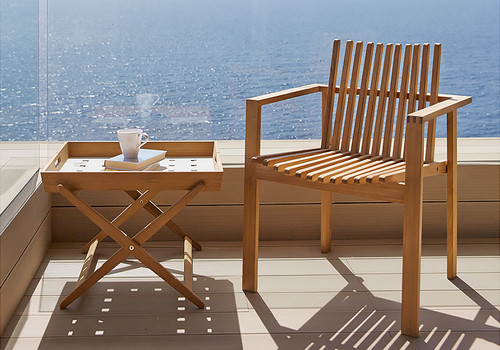
- Teak or Shorea: Best for modern, minimalist, or luxury designs.
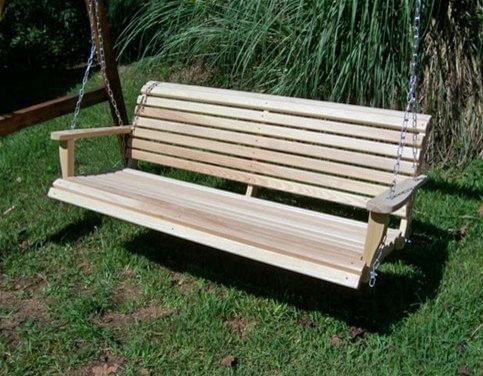
- Cedar or Redwood: Great for rustic or natural-looking pieces.
- Acacia or Eucalyptus: Good for folding chairs, casual tables, or budget sets.
- Ipe or Black Locust: Strong enough for benches and heavy-use furniture.
Think about the look you want and how you’ll use your furniture before choosing.
How To Spot Quality Outdoor Wood Furniture
Not all wooden outdoor furniture is created equal. Here’s what to check before you buy:
- Joinery: Mortise-and-tenon or doweled joints are stronger than screws or nails alone.
- Finish: Look for smooth, even finish with no rough spots or splinters.
- Hardware: Stainless steel or brass hardware resists rust.
- Weight: Heavier often means denser, more durable wood.
- Labels: Check for certifications (FSC, Rainforest Alliance) to ensure sustainability.
Non-obvious insight: Some sellers use cheaper woods and “finish” them to look like teak or mahogany. Ask for the species and origin before buying.
Cost Breakdown: What To Expect
Outdoor wood furniture ranges in price. Here’s a quick overview:
- High End (Teak, Ipe, Mahogany): $500–$5,000+ per set. Lasts decades, minimal upkeep.
- Mid-Range (Eucalyptus, Shorea, Redwood): $250–$1,500. Good durability and value.
- Budget (Acacia, Cedar, Black Locust): $100–$800. Great for entry-level or temporary use.
If you’re handy, buying raw wood and building your own can save money, but be sure to use quality finishes.
When To Choose Alternatives To Wood
Wood is classic, but sometimes it’s not the best choice. Consider:
- Metal or Aluminum: Lighter, often more affordable, no risk of rot.
- Synthetic Wicker or Resin: Weatherproof, low maintenance, variety of styles.
- Recycled Plastic Lumber: Eco-friendly, durable, but lacks natural beauty.
Still, nothing matches the warmth and style of real wood for many people.
How To Extend The Life Of Outdoor Wood Furniture
You can double or triple the lifespan of your furniture by following these steps:
- Keep it Clean: Dirt and mold break down finishes. Clean at least twice a year.
- Raise Off the Ground: Use rubber or plastic feet under legs to keep wood dry.
- Reapply Finishes: Don’t wait until the wood looks dry or faded.
- Store in Winter: Even tough woods last longer when protected from snow and ice.
- Repair Early: Small cracks can turn into big splits if ignored.
A little effort goes a long way with quality wood.
Outdoor Wood Furniture And Health
Certain woods can cause allergies or skin irritation. For example, teak and ipe contain natural chemicals that may cause mild reactions in sensitive people. Always wear gloves when sanding or finishing, and wash hands after handling.
For most people, outdoor wood furniture is safe and comfortable. If you have allergies, choose finished pieces and avoid unfinished surfaces.

Real Examples: Outdoor Wood Furniture That Lasts
- Teak benches in public parks: Some are over 50 years old and still in use.
- Ipe decks: Used on famous boardwalks like the Coney Island Boardwalk, surviving heavy foot traffic and harsh weather for decades.
- Black locust fence posts: Common in American farms for over a century due to natural rot resistance.
These real-world examples show the value of investing in quality wood.
Where To Learn More
If you want detailed technical data, the Wood Database has in-depth articles on wood species, their properties, and common uses.
Frequently Asked Questions
What Is The Most Weather-resistant Wood For Outdoor Furniture?
Teak is widely considered the most weather-resistant wood. Its natural oils protect against water, rot, and insects, allowing it to last decades even in harsh climates.
Is Acacia Wood Good For Outdoor Furniture?
Yes, acacia is a good budget-friendly option. It resists rot and insects but needs regular oiling or sealing and should be protected from standing water for a longer lifespan.
How Often Should I Oil Or Seal My Outdoor Wood Furniture?
Most outdoor woods benefit from oiling or sealing once a year. This helps keep the wood from drying, cracking, and fading. Some woods, like teak and black locust, can be left untreated, but their color will change.
Can I Leave My Wood Furniture Outside All Year?
It depends on the wood. Teak, ipe, and black locust can stay outside year-round. Softer woods like cedar or acacia last longer if stored during harsh winter months or covered when not in use.
Is Painted Wood Furniture Good For Outdoors?
Paint can protect outdoor wood, especially species like white oak. Use high-quality, exterior-grade paint and maintain it regularly to prevent peeling and water damage.
No matter where you live or your budget, choosing the right wood for outdoor furniture makes a big difference. With the right knowledge, care, and a little planning, you can enjoy beautiful, durable pieces that last for years in your outdoor space.