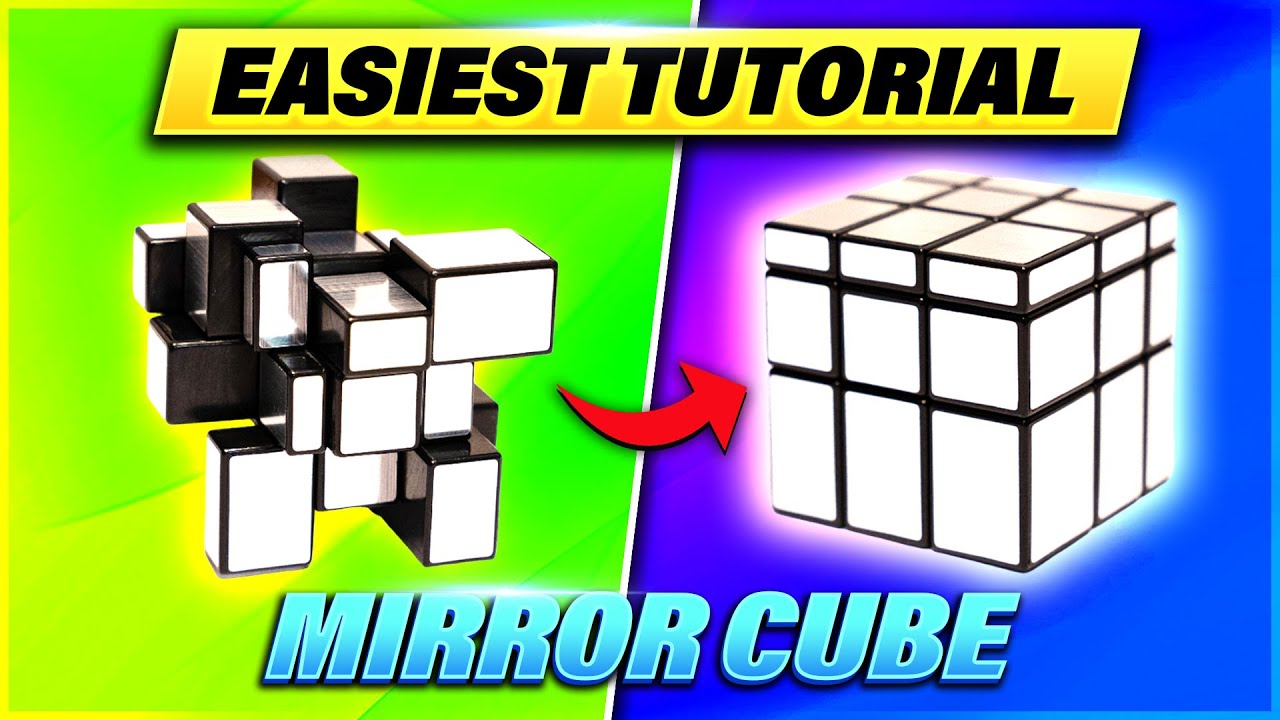
How to Solve Mirror Cube and wondered how anyone could possibly solve it? Unlike the classic Rubik’s Cube, the Mirror Cube hides its secrets not in colors, but in shapes and sizes.
This makes it tricky—every piece looks unique, and you can’t just match colors to figure out where they go. But here’s the good news: if you know how to spot patterns and follow simple steps, you can solve the Mirror Cube too.
In this guide, you’ll discover clear, easy-to-follow tips that turn confusion into clarity. Ready to impress yourself and others with your puzzle-solving skills? Let’s dive in and unlock the mystery of the Mirror Cube together!

Mirror Cube Basics
Before you dive into solving the Mirror Cube, it’s important to understand its basics. Unlike the traditional Rubik’s Cube, the Mirror Cube challenges you to think differently. Its unique design shifts your focus from colors to shapes and sizes, which can be tricky at first but rewarding once you get the hang of it.
Shape And Size Instead Of Color
The Mirror Cube is a single-colored puzzle, often metallic gold or silver. You can’t rely on colors to identify pieces. Instead, each piece has a distinct shape and size.
When scrambled, the cube looks like a jumbled block with uneven edges. Your goal is to restore it to a perfect cube shape by matching pieces according to their dimensions. Have you ever tried solving a puzzle where the pieces don’t show clear patterns? This is exactly the kind of challenge the Mirror Cube offers.
Internal Mechanism Similarity To Rubik’s Cube
Despite the unusual appearance, the Mirror Cube shares the same internal mechanism as a classic 3×3 Rubik’s Cube. This means it twists and turns in the same way, and the solving methods you know for a Rubik’s Cube still apply.
This similarity can be an enormous help. If you’re comfortable solving a Rubik’s Cube, you already have a solid foundation. Your challenge is to apply those moves while focusing on shape instead of color. How will you adjust your thinking to fit this new visual puzzle?
Centerpieces as Size References
The centerpieces on the Mirror Cube are key to solving it. Unlike edge and corner pieces, center pieces stay fixed relative to each other and help you understand the cube’s layout.
Each centerpiece has a unique size and acts as a reference point. Starting with the largest centerpiece helps you build the rest of the cube around it. Think of these centers as your anchor points when piecing together the puzzle.
Preparing To Solve
Preparing to solve the Mirror Cube requires a clear understanding of its unique features. Unlike a traditional Rubik’s Cube, the Mirror Cube uses different-sized pieces instead of colors. This makes the solving process focus on shapes and sizes rather than colors. Getting familiar with these differences helps you solve the cube faster and with confidence.
Identifying The Largest Centerpiece
The largest center piece is the key starting point for the Mirror Cube. It usually measures bigger than other pieces. This piece sets the scale and helps you understand the cube’s structure. Locate this piece first and place it in front of you. It acts as the anchor for solving the rest of the cube.
Recognizing Edge And Corner Pieces By Shape
Edge and corner pieces look different in size and shape. Edges are longer and thinner. Corners have three visible sides and are generally bigger than edges. Study each piece carefully to see these differences. Sorting the pieces by shape makes the solving process easier. This step reduces confusion and speeds up your progress.
Building The First Layer
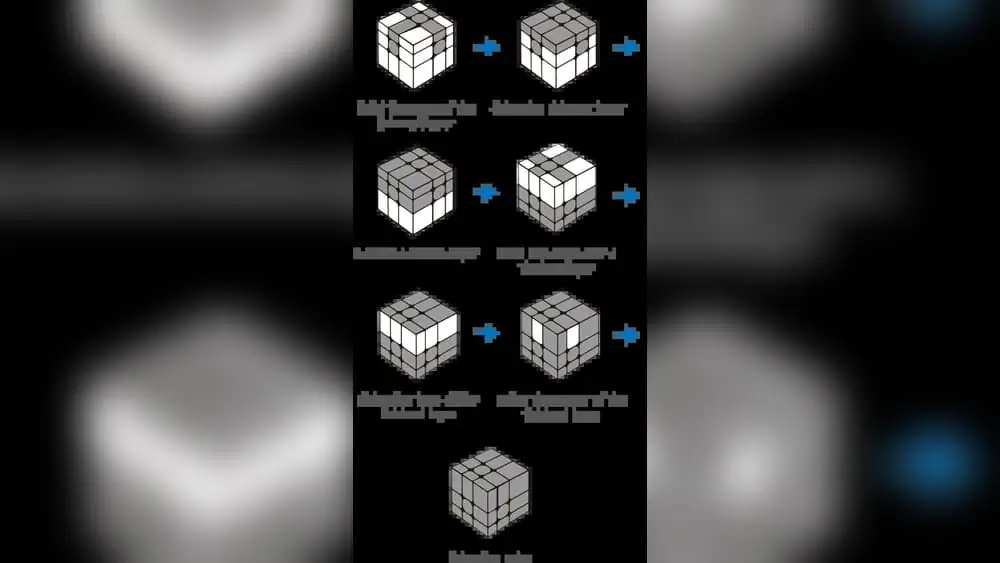
Building the first layer of the Mirror Cube is the first key step in solving the puzzle. Unlike a regular Rubik’s Cube, the Mirror Cube uses piece size and shape instead of color. This approach makes solving more about matching heights and widths. Focus on creating a flat, smooth surface on one side. This side will be your base for the rest of the solutions.
Start by identifying the largest centerpiece. It stays fixed and helps guide your moves. Around this center, place the edge pieces to form a cross. After the cross, add the corner pieces. Each piece must fit perfectly because of shape, not color. Let’s break down these tasks.
Creating The Cross With Edge Pieces
Look for the four edge pieces that fit around the center piece. These edges have unique shapes and sizes. Place them around the center so their heights match perfectly. The goal is to make a smooth cross shape. Verify that the edges align well with the center and with each other.
Use simple twists to move each edge into place. Watch the height and length of each piece closely. Avoid forcing pieces if they don’t fit easily. Adjust other pieces to open space for correct placement. Keep the cross flat and even.
Placing Corner Pieces Accurately
After the cross, identify the four corner pieces for the first layer. Corners are the tallest pieces with two visible faces. Match each corner’s height and shape with the edges it touches. Place corners one by one in the right spots. Turn the cube gently to avoid disturbing the cross.
Use simple algorithms from the regular cube to slide corners into place. Verify that each corner creates a flat, smooth surface with the edges. The first layer is done when the whole side looks even and solid. This layer sets the foundation for solving the rest of the cube.

Solving The Middle Layers
Solving the middle layers of the Mirror Cube requires careful observation. Unlike a regular Rubik’s Cube, you cannot rely on colors. Instead, focus on the size and shape of each piece. This step brings the puzzle closer to completion by aligning the middle layer edges correctly.
Precision matters here. Each piece has a unique size that fits only in its correct spot. This technique makes the middle layer the foundation for the final steps.
Aligning Pieces By Size And Shape
Look closely at the middle layer pieces. Notice their height and width differences. These differences help you decide where each piece belongs.
Start by finding a piece that matches the height of the center piece on the middle layer. Please move this piece to the appropriate edge slot. Use gentle twists and turns to avoid disturbing the solved parts.
Keep checking the piece’s shape against the surrounding pieces. If it fits perfectly, move to the next. This careful matching ensures the middle layer forms a smooth surface.
Avoiding Common Misplacements
Misplacing a piece in the middle layer can cause frustration. Watch out for pieces that look similar but differ slightly in size.
Do not force a piece into a slot if it does not fit naturally. Forcing leads to scrambled sections and extra work later.
Double-check the piece’s height and width before locking it in place. This habit prevents mistakes and saves time during solving.
Completing The Top Layer
Completing the top layer of the Mirror Cube is a key step in solving this unique puzzle. Unlike a regular Rubik’s Cube, the Mirror Cube uses different shapes instead of colors. This means you focus on the size and form of each piece to finish the top layer. Patience and careful observation help to identify the correct piece placement.
This part requires forming a flat surface on top, making sure all pieces fit perfectly by their shape. Once the top layer is complete, the puzzle will look smooth and even. The process involves three main actions: forming the cross, orienting and permuting the final pieces, and applying specific algorithms for shape matching.
Forming The Cross
Start by finding the largest centerpiece on the top layer. This piece sets the base for the cross. Then, place the edge pieces around it. These edges must align by their height and width, not color. Make sure the edges form a flat cross shape. The goal is to create a smooth top face with no bumps or gaps.
Use simple moves to bring edges to the top layer. Rotate pieces carefully to match their height with the center. Avoid rushing. Check each piece’s shape before placing it.
Orienting And Permuting Final Pieces
After the cross is complete, focus on the corner pieces. These pieces finish the top layer. First, orient them so the shapes match the edges. Each corner must fit perfectly without sticking out. Next, permute the corners by moving them to the correct spot.
Use small twists and turns to rotate the corners. Watch how the shapes line up after each move. The goal is a smooth, even surface on the top. Take time to observe and adjust.
Applying Algorithms For Shape Matching
Solving the Mirror Cube’s top layer needs specific algorithms. These are step-by-step moves that help place pieces correctly. The algorithms focus on shape, not color. Learn a few basic sequences to orient and permute pieces.
Practice the algorithms slowly. Notice how each move changes the puzzle’s shape. Repeat until the top layer becomes a smooth, flat surface. Algorithms help solve tricky positions faster and with less guesswork.
Common Challenges
Solving the Mirror Cube brings unique challenges different from the classic Rubik’s Cube. The puzzle does not rely on colors to guide moves. Instead, it depends on the shape and size of each piece. This can confuse many solvers at first. Recognizing and overcoming these common obstacles helps improve solving skills. Understanding these challenges prepares you for a smoother solving experience.
Dealing With Visual Confusion
The Mirror Cube looks irregular and uneven. Pieces vary in height and width, breaking the usual cube shape. This makes it hard to see where pieces belong. Your eyes may struggle to track pieces while turning the cube. The lack of uniformity causes confusion during the solving process. It takes practice to train your eyes to recognize shapes, not colors. Focus on the height and width differences between pieces. Observing pieces carefully reduces mistakes and speeds up solving.
Adjusting To Lack Of Color Cues
Unlike the Rubik’s Cube, the Mirror Cube uses only one color. No color guides help identify piece positions. You must rely on piece size and shape alone. This shift can feel difficult and slow. Beginners often try to solve it like a colored cube, leading to frustration. Learning to trust the differences in shapes is key. Start by sorting pieces by height or width. Practice recognizing pieces’ unique shapes. Over time, your brain adapts to this new way of solving.
Tips For Mastery
Mastering the Mirror Cube requires more than just knowing the moves. It demands focus, patience, and smart practice. Using the right tips can make your learning faster and more enjoyable. The following strategies will help you improve step by step.
They guide you on how to practice, use tutorials well, and adapt familiar techniques. Each tip builds your confidence and skill with the Mirror Cube.
Practice Strategies
Practice regularly, but keep sessions short to avoid frustration. Focus on one part at a time, like solving the cross or edges. Repeat difficult sections until you feel comfortable. Use a timer to track your progress and set small goals. Stay patient and consistent; skill grows with steady practice.
Using Video Tutorials Effectively
Choose clear and simple tutorials that match your skill level. Watch videos multiple times to understand each step fully. Pause and rewind to follow along at your pace. Please aim to replicate the moves precisely before incorporating your own style. Combining watching and doing helps you learn faster.
Adapting Rubik’s Cube Techniques
Use your Rubik’s Cube knowledge as a base for the Mirror Cube. Many moves and algorithms are similar but watch for shape differences. Focus on piece size and shape instead of colors. Adjust your methods to fit the Mirror Cube’s unique look. This approach makes solving easier and more intuitive.
Advanced Techniques
Advanced techniques for solving the Mirror Cube push your skills beyond the basics. These methods improve speed and precision. You will learn new ways to handle the puzzle’s unique challenges. The focus shifts from just solving to solving efficiently.
Understanding complex methods can reduce solve times. They also help you adapt to the Mirror Cube’s shape-based nature. Mastery of these techniques comes with practice and patience.
Speed Solving With the CFOP Method
The CFOP method is popular among speedcubers. It stands for Cross, F2L, OLL, and PLL. This method breaks down the solve into clear steps. You start by making a cross on one face.
Next, you solve the first two layers simultaneously. Then, you orient the last layer pieces. Finally, you permute the last layer to complete the cube. Using CFOP on a Mirror Cube means focusing on piece shapes, not colors. You identify and match blocks by size and height.
This method requires memorizing many algorithms. It also demands quick recognition of piece positions. With practice, CFOP helps cut down your solving time drastically.
Solving With Robots And Automation
Robots can solve the Mirror Cube very fast. They use cameras and sensors to detect piece sizes. Then, they calculate the best moves to solve the puzzle. This process uses special software and hardware.
Automation helps analyze solving patterns. It shows efficient ways to manipulate the cube. Robots also inspire new solving techniques for humans. Watching a robot solve the Mirror Cube can be very educational.
Using automation encourages a more profound understanding of the puzzle’s mechanics. It also highlights the importance of precise moves and minimal rotations. These lessons apply directly to manual solving efforts.
Frequently Asked Questions
How to Solve Mirror Cube Step by Step?
Start by identifying the largest centerpiece. Build a flat cross around it using edge pieces. Insert corner pieces matching their shapes. Solve the top layer by forming a cross and orienting pieces with standard cube algorithms. Focus on shapes, not colors, throughout the process.
Is Mirror Cube Easy To Solve?
The Mirror Cube is harder than a standard Rubik’s Cube. You solve it by matching shapes and sizes, not colors. It requires practice and patience to master.
How Does a Mirror Cube Work?
A Mirror Cube works like a Rubik’s Cube but uses piece size and shape, not color, to solve each side’s flat surface.
Is There An App To Solve A Mirror Cube 3×3?
Yes, several apps and tutorials help solve the Mirror Cube 3×3 using standard Rubik’s Cube algorithms adapted for shape recognition.
Conclusion
Solving the Mirror Cube takes patience and careful observation. Focus on matching pieces by shape and size, not color. Practice helps you recognize how pieces fit together. Use simple steps and repeat moves to improve your skills. With time, solving the Mirror Cube becomes easier and more fun.
Keep trying, and enjoy the challenge of this unique puzzle.