When you step outside to relax in your garden, balcony, or patio, the right outdoor furniture makes a huge difference. Good outdoor furniture can turn any outdoor space into a comfortable, stylish area for gathering, dining, or just enjoying the sun. But not all furniture can survive wind, rain, sun, and changing temperatures. Many people buy outdoor chairs or tables that look good in the store, but after one season, they fade, crack, or get rusty. So, what is best for outdoor furniture? Let’s explore how to choose the right pieces, the most durable materials, and the smart buying decisions that make your outdoor space last for years.
Understanding Outdoor Furniture Needs
Outdoor furniture faces challenges that indoor pieces do not. Rain, humidity, sunlight, cold, and heat all test the strength of your chairs, sofas, and tables. Some materials handle these elements well, while others break down quickly. Before buying, ask yourself these questions:
- How much sun and rain does your outdoor area get?
- Do you plan to leave your furniture outside all year, or will you store it during winter?
- How much time will you spend on maintenance?
- Is comfort or durability more important to you?
The answers will shape your choices. For example, if you live in a very rainy place, you need water-resistant furniture. If you get strong sunlight, you must avoid materials that fade or crack.
Most Popular Outdoor Furniture Materials
The material of your furniture is the single most important factor in how long it will last outside. Here are the main materials to consider, with their pros and cons.
1. Teak Wood
Teak is widely considered the best wood for outdoor furniture. This hardwood is naturally full of oils that protect it from water, insects, and decay. Teak furniture can last 20 years or more outdoors, even in harsh climates. Its color starts as a golden brown and slowly turns a silver-gray as it ages.
Pros:
- Very durable in all weather
- Low maintenance (just occasional cleaning)
- Beautiful, classic look
Cons:
- Expensive
- Heavy to move
- Needs oiling if you want to keep the golden color
Non-obvious tip: Many people think all hardwoods are similar. But only teak, and a few others like ipe or shorea, truly resist outdoor conditions for decades.
2. Aluminum
Aluminum furniture is lightweight, modern, and does not rust. It’s often used for outdoor chairs, tables, and loungers. Powder-coated aluminum offers extra protection from scratches and fading.
Pros:
- Rustproof
- Easy to move
- Available in many colors and styles
Cons:
- Can blow away in strong winds if not heavy enough
- Metal can get very hot in direct sunlight
Practical insight: If you live in a windy area, choose heavier, cast aluminum, or weigh down your furniture.
3. Synthetic Wicker (resin Wicker)
Many people love the look of wicker, but natural rattan is not suitable for outdoors. Instead, synthetic wicker (made from plastic resin) is designed for all-weather use. It looks similar to natural wicker but is far more durable.
Pros:
- Weather-resistant
- Lightweight
- Many style options
Cons:
- Cheap versions can crack or fade in sun
- Still needs cleaning to prevent mildew in humid climates
Insider tip: Look for high-density polyethylene (HDPE) wicker. It lasts much longer than cheaper PVC versions.
4. Steel
Steel furniture is strong and often used for outdoor dining sets and benches. Galvanized or stainless steel resists rust better than regular steel, but all steel can eventually corrode if not cared for.
Pros:
- Very sturdy
- Can have elegant, classic designs
Cons:
- Prone to rust if not coated
- Heavy and hard to move
Pro insight: Powder-coated steel lasts much longer than painted steel. Touch up any scratches to stop rust.
5. Plastic/polymer
Modern plastic furniture is not the same as the cheap, white lawn chairs from decades ago. High-quality plastics, especially polyethylene and polypropylene, are now used for stylish, strong outdoor furniture.
Pros:
- Lightweight and often stackable
- Does not rust or rot
- Low cost
Cons:
- Can fade in strong sunlight if not UV-protected
- Some styles look less natural
Beginner mistake: Buying the cheapest plastic furniture. Cheap plastics become brittle and break quickly under sun.
6. Wrought Iron
Wrought iron furniture is classic and extremely strong. It’s usually found in traditional gardens, patios, or as ornate benches.
Pros:
- Very durable if maintained
- Heavy and wind-resistant
- Elegant look
Cons:
- Prone to rust if paint or coatings chip
- Heavy to move
- Can be uncomfortable without cushions
Extra tip: Use thick, weather-resistant cushions for comfort and to protect from the heat or cold of the metal.
7. Eucalyptus And Other Hardwoods
Besides teak, woods like eucalyptus, acacia, and ipe are popular for outdoor use. Eucalyptus is less expensive than teak but still offers good durability.
Pros:
- Attractive, natural look
- Lasts several years with care
- More affordable than teak
Cons:
- Needs regular oiling or sealing
- Not as durable as teak
Advanced advice: Buy only FSC-certified wood to ensure it’s harvested sustainably.
8. Textilene And Mesh Fabrics
Many outdoor chairs and loungers use Textilene or similar synthetic mesh fabrics. These are made from PVC-coated polyester and are designed to withstand sun, rain, and mildew.
Pros:
- Quick-drying
- Comfortable without extra cushions
- Easy to clean
Cons:
- Can sag over time
- Some cheaper fabrics fade or tear
Expert note: Look for UV-resistant ratings for mesh fabrics.

Outdoor Furniture Material Comparison
Here’s a quick overview to compare the most popular materials:
| Material | Durability | Maintenance | Weather Resistance | Cost |
|---|---|---|---|---|
| Teak | 20+ years | Low | Excellent | High |
| Aluminum | 10-15 years | Low | Very Good | Medium |
| Resin Wicker | 5-10 years | Low | Good | Medium |
| Steel | 10+ years | Medium | Good | Medium |
| Plastic | 3-8 years | Very Low | Good | Low |
| Wrought Iron | 20+ years | High | Good | Medium-High |
| Eucalyptus/Hardwoods | 5-15 years | Medium | Good | Medium |
What Makes Outdoor Furniture Last?
Durability isn’t just about material—it’s also about design, construction, and finish. Here’s what matters most:
Construction Quality
Joints should be tight and secure. For wood, mortise-and-tenon or dowel joints are better than simple screws or nails. For metal, look for welded frames instead of pieces bolted together.
Finish And Coatings
Paint, powder coating, oil, or sealant adds extra protection. For aluminum and steel, powder coating is best. For wood, regular oiling or sealing keeps moisture out.
Hardware
Bolts, screws, and hinges should be stainless steel or brass so they don’t rust. Cheap steel fittings are often the first part to fail.
Weatherproof Cushions
Cushions are often the weak link. Use solution-dyed acrylic fabrics like Sunbrella, which resist water, UV, and mildew.
Beginner mistake: Buying outdoor furniture with indoor cushions. They soak up water and grow mold.
Best Outdoor Furniture For Different Climates
Where you live changes what outdoor furniture works best. Here are smart choices for different climates:
Wet And Humid Climates
- Best: Teak, aluminum, resin wicker, plastic
- Avoid: Untreated wood, cheap steel, indoor fabrics
- Tip: Look for quick-dry cushions, and store them when not in use.
Hot And Dry Climates
- Best: Teak, eucalyptus, powder-coated aluminum, Textilene mesh
- Avoid: Cheap plastics (can crack), uncoated metals
- Tip: Use umbrellas or shade to prevent fading.
Windy Areas
- Best: Wrought iron, heavy steel, solid wood
- Avoid: Light plastic or thin aluminum (can blow away)
- Tip: Secure furniture or use anchor kits.
Cold And Snowy Winters
- Best: Teak, aluminum, resin wicker
- Avoid: Glass tables (can shatter), unprotected steel
- Tip: Store furniture indoors or cover it during the off-season.
Comfort Vs. Durability: Striking The Right Balance
Durability is important, but you also want to enjoy using your outdoor space. Here’s how to get both comfort and long life:
- Choose chairs and sofas with ergonomic designs that support your back.
- Pick weatherproof, thick cushions. Thinner ones flatten quickly.
- Add throw pillows made from outdoor-rated fabrics.
- Test out furniture in person if possible. Sit, lean, and check for wobbling or sharp edges.
Overlooked detail: Comfort is not just about cushions. Armrest height, seat depth, and table height all matter.
.jpg)
Easy-care Outdoor Furniture Ideas
If you want zero fuss, some materials and designs make life easier:
- Stackable chairs: Save space and are easy to store.
- Folding tables: Perfect for small patios or quick set-up.
- Plastic Adirondack chairs: Classic look, almost no maintenance.
- Resin benches: Can stay outside all year.
Pro tip: Buy covers for off-season protection. They greatly extend the life of any outdoor furniture.
Outdoor Furniture For Small Spaces
Not everyone has a huge backyard. For small balconies or patios, these ideas work well:
- Bistro sets: Compact tables and chairs for two.
- Bench with storage: Doubles as seating and a place to keep cushions.
- Nesting tables: Small tables that tuck under each other.
- Hanging chairs: Fun, stylish, and don’t take up floor space.
Clever advice: Measure your space first! Outdoor furniture often looks smaller in the store than it does at home.
Sustainability In Outdoor Furniture
Eco-friendly choices are more important than ever. Here’s what to look for:
- FSC-certified wood: Ensures the wood comes from responsible forests.
- Recycled plastic furniture: Made from milk jugs or other recycled materials.
- Powder-coated metals: Use less energy and fewer chemicals than paint.
- Upcycled or vintage: Give old furniture new life with weatherproof paint or new cushions.
Little-known fact: Some high-end brands use ocean plastic to make durable outdoor pieces.
How To Protect Outdoor Furniture
Even the best outdoor furniture lasts longer with care. Here’s how to protect your investment:
Regular Cleaning
- Use mild soap and water for most materials.
- Avoid harsh chemicals or pressure washers, especially on wood.
- Clean cushions as recommended on the label.
Use Covers
- Covers shield from sun, rain, and dirt.
- Make sure covers are breathable to prevent mold.
Store When Not In Use
- If possible, store furniture inside during winter or heavy storms.
- Stack or fold pieces for easy storage.
Repair Damage Quickly
- Touch up scratches on metal to prevent rust.
- Sand and oil wood as needed.
- Replace worn or faded cushions.
Expert insight: Don’t wait for major damage. Small fixes keep furniture looking new.
Outdoor Furniture Trends And Styles
Outdoor furniture is not just about function—it’s about style, too. Here are current trends:
- Modular seating: Sections you can move and arrange.
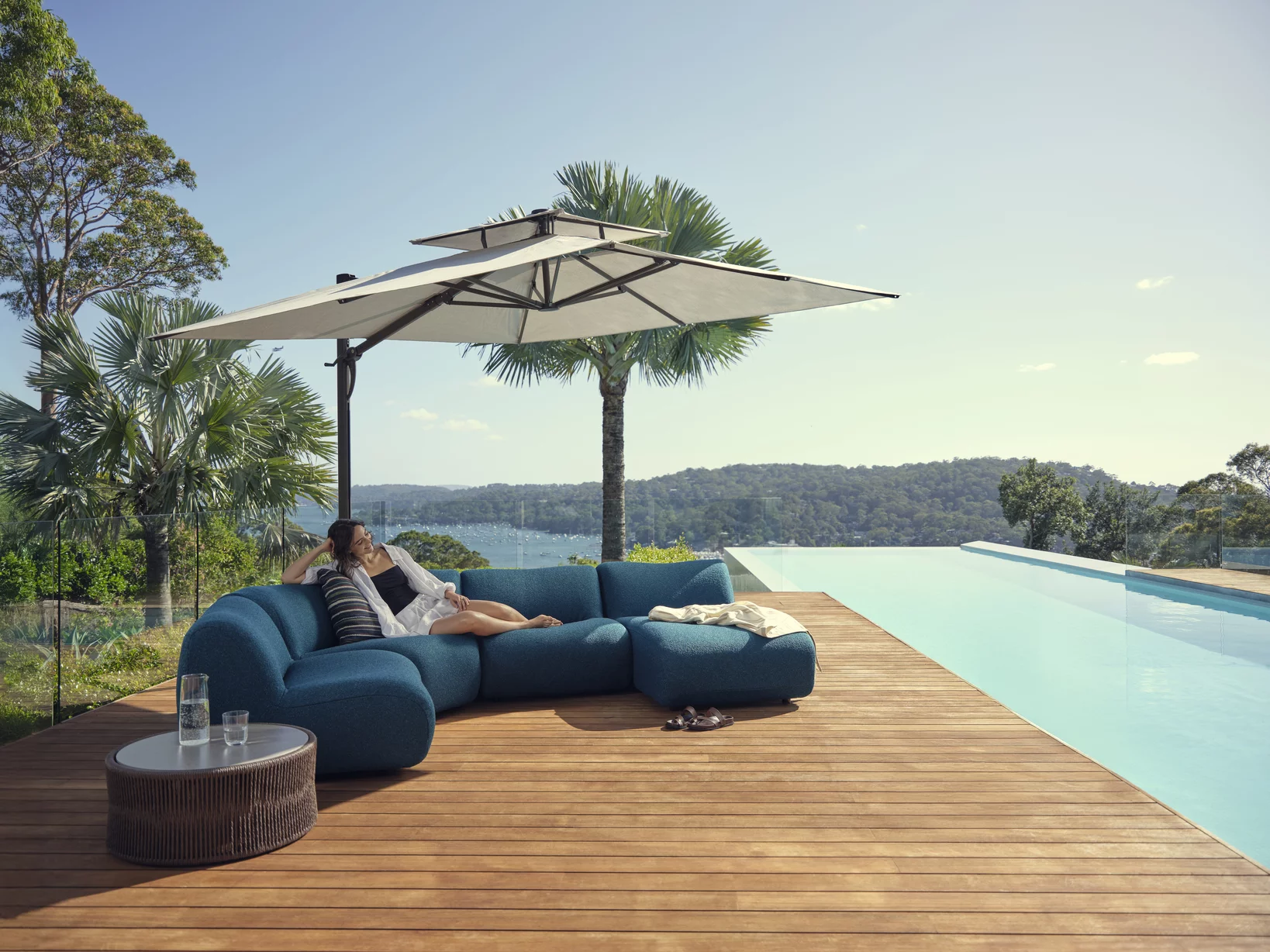
- Outdoor sectionals: Like indoor sofas, but weatherproof.
- Dining sets with fire pits: Great for evening gatherings.
- Mixed materials: Combining wood with metal or wicker with aluminum.
- Bold colors: Navy, green, and orange are popular now.
Non-obvious insight: Trendy colors fade. Neutrals like gray, tan, or black look good for years.
Budgeting For Outdoor Furniture
How much should you spend? Prices range from under $100 for a plastic set to several thousand dollars for teak or designer brands. Here’s a quick price guide:
| Type | Entry Level | Mid-Range | High-End |
|---|---|---|---|
| Bistro Set (2 chairs + table) | $80-$150 | $200-$400 | $700+ |
| Dining Set (4-6 people) | $250-$500 | $700-$1,500 | $2,500+ |
| Lounge Chair | $60-$150 | $250-$500 | $1,000+ |
| Sofa/Sectional | $300-$600 | $1,000-$2,500 | $4,000+ |
Smart advice: Don’t buy the cheapest set. It’s usually better to buy fewer, better pieces than a full set that falls apart in a year.
Common Mistakes When Buying Outdoor Furniture
Many people make costly mistakes when shopping for outdoor furniture. Watch out for these:
- Ignoring local climate. The wrong material won’t last.
- Buying without measuring. Outdoor furniture is often larger than it looks.
- Forgetting about storage. Will you have space to store or cover the furniture in winter?
- Choosing style over comfort. Test before you buy.
- Skipping the warranty. Good brands offer at least a 1-year warranty.
Where To Buy Quality Outdoor Furniture
You have many options, from local stores to big-box retailers, specialty outdoor stores, and online shops. Each has pros and cons:
- Local stores: You can try before you buy, but prices may be higher.
- Big-box retailers: Good deals, but quality can vary.
- Online: Huge selection and reviews, but you can’t test comfort or see colors in person.
- Specialty stores: Expert advice and top brands, but higher prices.
Pro tip: Read reviews and check return policies, especially for online purchases.
For more details on materials and care, you can check the Wikipedia page on Outdoor Furniture.
Frequently Asked Questions
What Is The Most Durable Outdoor Furniture Material?
The most durable material is usually teak wood or wrought iron. Teak can last for decades with little maintenance, while wrought iron is extremely strong but needs protection from rust. Aluminum is also very durable and requires less care.
How Can I Make Outdoor Furniture Last Longer?
To extend the life of your furniture, clean it regularly, use weatherproof covers, and store it inside during harsh weather. Check and repair any damage quickly, and use only outdoor-rated cushions.
Can I Leave Outdoor Furniture Outside All Year?
Some materials like teak, aluminum, and resin wicker are made to handle all weather. However, even these will last longer if you cover or store them during winter or heavy storms. Cushions should always be stored indoors when not in use.
Is Plastic Furniture Good For Outdoors?
High-quality plastic furniture (like HDPE) can be a great choice for outdoors—it’s weather-resistant and easy to clean. However, avoid low-quality plastics, which can fade or break in strong sun or cold.
What Is The Best Low-maintenance Outdoor Furniture?
Aluminum, resin wicker, and HDPE plastic are the easiest to maintain. They don’t rust or rot and only need occasional cleaning. Teak also needs little care if you like the aged, silver-gray look.
Outdoor furniture is an investment in your comfort and lifestyle. With the right choices, you can enjoy your garden or patio for many years. Remember to match the furniture to your climate, space, and style, and pay attention to quality.
The best outdoor furniture is not just what looks good today, but what still feels great season after season.