
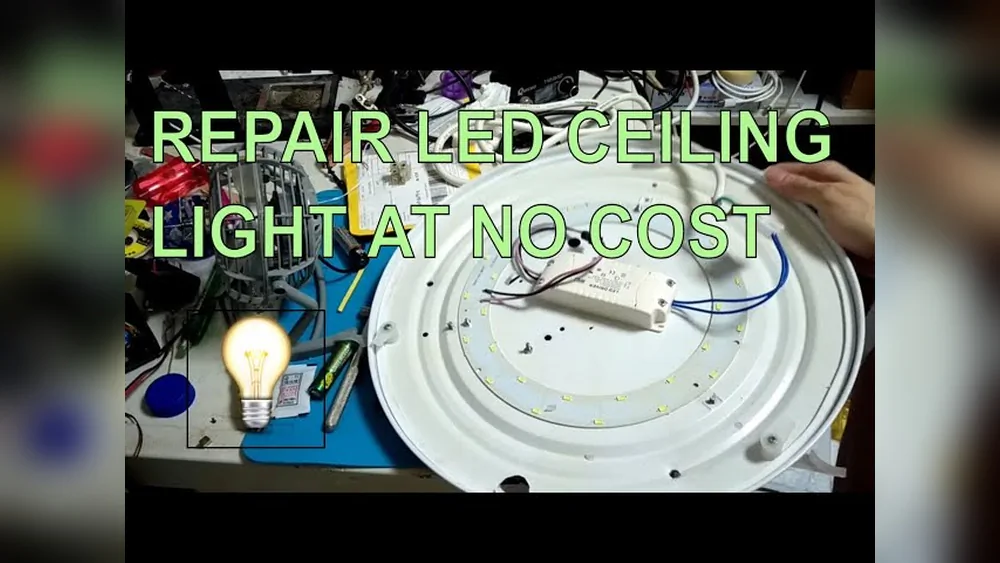
How to Fix Led Ceiling Light, dimming, or not turning on at all? Before you think about replacing the entire fixture or calling an expensive electrician, there’s a good chance you can fix it yourself.
You don’t need special skills or tools—just a little guidance and some simple steps. You’ll learn how to troubleshoot common LED ceiling light problems, identify faulty parts, and get your light shining bright again. Keep reading, and you’ll save money and gain the confidence to handle future lighting issues on your own.
Let’s get started!

Safety Measures
Safety is the top priority when fixing LED ceiling lights. Taking proper precautions prevents accidents and injuries. Simple safety steps protect you and your home. Follow these measures carefully before starting any repair work.
Turn Off Power
Always switch off the power at the main switch before touching the light fixture. This stops electricity from flowing and reduces shock risk. Never rely on just the wall switch to cut power. Confirm the light is off by testing it with a non-contact voltage tester.
Use Protective Gear
Wear safety gloves to protect your hands from sharp edges and electric shocks. Use goggles to shield your eyes from dust and debris. Comfortable shoes with rubber soles help avoid slipping and provide insulation. Protective gear keeps you safe during the repair process.
Check Circuit Breaker
Locate your home’s circuit breaker panel and find the switch for the light’s circuit. Turn off the breaker to ensure no power reaches the fixture. Double-check that the breaker is off before starting work. This extra step adds a layer of safety against electric shocks.

Identify The Problem
Identifying the problem is the first step to fix a LED ceiling light. It saves time and effort. Check simple issues before thinking about replacements or repairs. This section explains how to find the root cause of the problem.
Check For Power
Ensure the power supply to the ceiling light is on. Test the light switch by toggling it off and on. Check the circuit breaker or fuse box for any tripped switches or blown fuses. A power outage or electrical fault might cause the light not to work.
Inspect Bulb Condition
Look closely at the LED bulb for any visible damage. Check for dark spots or broken parts. A burnt-out bulb will not light up. Replace the bulb with a new one that matches the fixture’s specifications. Use the correct wattage to avoid further issues.
Look For Loose Connections
Turn off the power before inspecting connections. Loose wires can stop the LED light from working. Check the wire nuts and terminals inside the fixture. Tighten any loose connections carefully. Secure connections ensure steady power flow to the light.
Test LED Bulbs
Testing LED bulbs is a key step in fixing an LED ceiling light. It helps identify if the bulb itself is the problem. This saves time and avoids unnecessary replacements. You can check bulbs easily using simple tools and methods. Follow these steps to test your LED bulbs effectively.
Use Voltage Tester
Turn off the power before testing to stay safe. Use a voltage tester to check if electricity reaches the bulb socket. Place the tester’s probe near the socket contacts. A reading means power is present. No reading means a wiring or fixture issue. This method quickly shows if the bulb is getting power.
Swap Bulbs Method
Remove the suspected bulb carefully. Replace it with a new or known working LED bulb. Turn the power on and check the light. If the new bulb works, the old one is faulty. If the new bulb does not light up, the problem is not the bulb. This method is simple and reliable for bulb testing.
Visual Inspection
Look closely at the LED bulb for any damage. Check for dark spots, cracks, or broken parts. A burnt or blackened bulb is a clear sign it needs replacing. Also, check the bulb base for corrosion or dirt. Clean contacts can improve the connection. Visual inspection often reveals obvious bulb problems fast.
Fix Common Issues
Fixing common issues with LED ceiling lights often restores their function quickly. Identifying and addressing simple problems saves time and money. Most LED ceiling light faults come from bulbs, wiring, or socket connections. Following clear steps helps to fix these problems safely and effectively.
Replace Faulty Bulbs
Start by checking the LED bulb for damage. Remove the bulb carefully and look for dark spots or broken parts. Replace it with a bulb of the same size and wattage. Avoid using bulbs that exceed the fixture’s rating. Test the light after replacement to ensure it works properly.
Repair Loose Wires
Turn off the power before checking the wiring. Look inside the fixture for any wires that are loose or disconnected. Tighten wire nuts or screws to secure connections. If wires are damaged, cut and strip the ends before reconnecting. Use electrical tape to cover exposed wires safely.
Secure Socket Connections
Inspect the socket where the bulb fits. Sometimes the socket is loose or dirty. Clean the socket gently with a dry cloth to remove dust. Push the socket contacts slightly inward to ensure a firm grip on the bulb. Make sure the socket is firmly attached to the ceiling fixture.
Replace LED Fixtures
Replacing LED fixtures is a straightforward solution to fix faulty ceiling lights. New fixtures offer better brightness and energy efficiency. This process requires careful removal of the old unit and secure installation of the new one.
Safety is crucial while handling electrical wiring. Follow each step to ensure a safe and effective replacement.
Remove Old Fixture
Turn off the power at the circuit breaker. Use a voltage tester to confirm no electricity flows to the fixture. Remove the fixture cover or trim carefully. Unscrew the mounting screws holding the fixture base. Gently pull the fixture away from the ceiling. Disconnect the wiring by loosening wire nuts. Keep the wires separated and safely tucked away.
Install New Fixture
Check the new fixture parts and instructions. Attach the mounting bracket to the electrical box. Position the new fixture base against the ceiling. Secure it with the screws provided. Ensure the fixture is stable and flush with the ceiling surface. Prepare to connect the wires next.
Connect Wiring Safely
Match the fixture wires to the house wires by color. Connect black to black (live), white to white (neutral), and green or bare copper to ground. Twist wires together and secure with wire nuts. Wrap connections with electrical tape for extra safety. Carefully tuck wires into the electrical box. Attach the fixture cover or shade as per instructions.

Prevent Future Problems
Preventing future problems with your LED ceiling light saves time and money. Simple care steps extend the light’s life. Avoid frequent repairs by following these easy tips. Keep your LED lights working efficiently and safely with regular maintenance.
Use Correct Bulb Wattage
Always choose bulbs that match the fixture’s wattage limits. Using higher wattage bulbs causes overheating and damages the fixture. Check the manufacturer’s label or manual for the right wattage. This simple step prevents electrical issues and bulb burnout.
Regular Cleaning
Dust and dirt build up, reduce light output, and cause heat. Clean the fixture gently with a soft cloth and mild cleaner. Turn off the power before cleaning to avoid shocks. Regular cleaning keeps your LED ceiling light bright and cool.
Routine Inspections
Check your LED ceiling light every few months. Look for loose connections, flickering, or dimming bulbs. Tighten screws and replace damaged parts quickly. Early detection of issues prevents bigger problems later on.
Frequently Asked Questions
What To Do When A Led Ceiling Light Stops Working?
Turn off the power and check the fuse or circuit breaker. Inspect bulb sockets and connections. Replace blown fuses and faulty bulbs with the correct wattage. Ensure secure wiring and test the fixture after repairs.
How To Tell Which Bulb Is Out On A String Of Led Lights?
Plug in the string and identify the unlit section. Use a non-contact voltage tester along the wire. The tester stops beeping near the faulty bulb. Replace bulbs one by one, starting with the first unlit. The bulb restoring power is the bad one.
What Is The Common Problem With Led Lights?
The common problem with LED lights is flickering, dimming, or failure due to poor connections or driver issues.
How To Replace a LED Ceiling Bulb?
Turn off the power. Remove the old LED bulb by twisting it counterclockwise. Insert the new bulb and twist clockwise. Restore power and test the light.
Conclusion
Fixing an LED ceiling light can save time and money. Always start by turning off the power for safety. Check bulbs, sockets, and wiring carefully. Replace any damaged parts with matching components. Simple tools like a voltage tester help find problems fast.
Regular maintenance keeps your lights working longer. Remember, patience and careful steps lead to success. Now, you can enjoy bright, working lights again without extra costs.


Pingback: Best Lighting for Low Ceilings 2026: Top Picks for Every Room - Home Decor
Pingback: How to Install Ceiling Light: Easy Steps for a Perfect Setup - 2026
Pingback: 10 Best Ceiling Light for Bathroom in 2026 (Reviews)